









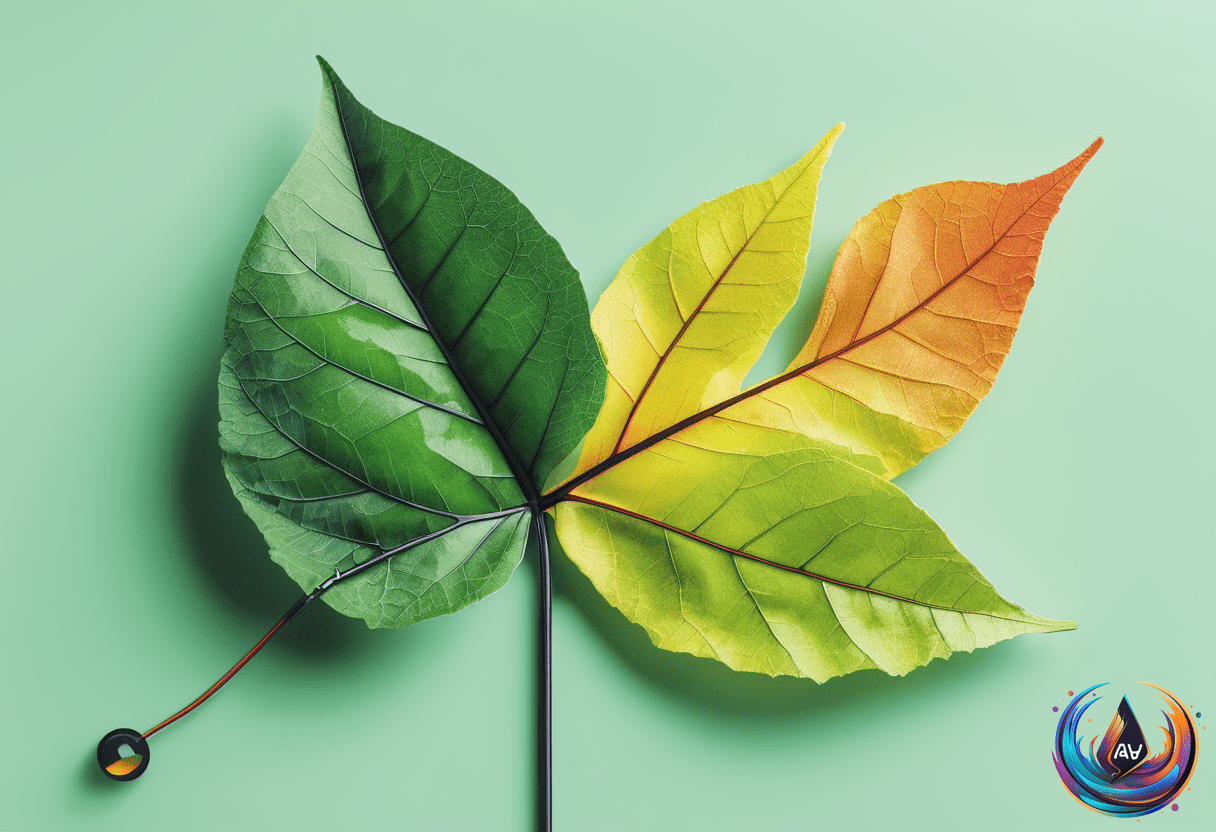
Plant Sensors Using Graphene Tattoos Could Enable Neural-Like Networks
 4
4Scientists have developed a new type of sensor that sticks directly onto plant leaves. These tiny, flexible patches act like live sensors, measuring how much water the plant has. This could help farmers and conservationists monitor plant health in real time without damaging the leaves.
How the Graphene Leaf Sensor Works
The sensor is made from graphene, a super-thin, transparent material that’s almost invisible on the leaf. It works like a small electronic transistor, with gold strips acting as electrodes and the leaf itself serving as an insulator. When attached, it sends tiny electric pulses into the leaf to check moisture levels by detecting changes in ion movement inside the leaf tissue.
The changes in electrical conductance tell researchers how hydrated the leaf is, allowing for immediate readings. Because the sensor is flexible and stretchable, it can move with the leaf as it grows or twists, making it suitable for long-term monitoring.
Potential for Networked Plant Monitoring
Beyond just measuring moisture, the researchers envision these sensors acting as artificial synapses—basic units of a neural network. This means many sensors could be connected to form a system that not only monitors plant health but also processes information directly on the plant itself.
In the future, large networks of these graphene sensors could be used across forests or farms. They could provide real-time data on drought risk or fire danger, helping prevent disasters before they happen. This approach could transform how we care for plants and manage natural resources.
Advantages of Using Graphene for Plant Sensors
Graphene is ideal for this purpose because it’s nearly transparent, so it doesn’t block sunlight or interfere with photosynthesis. It’s also very flexible, so it can bend and stretch without breaking as the leaf moves. These properties make it perfect for long-term use on living plants.
While similar sensors have been made before, real-time hydration sensors are still rare. The researchers hope their design will lead to more widespread use of plant sensors that can communicate and process data without external electronics.
This innovation opens the door to smarter agriculture and better environmental monitoring. It shows how advanced materials like graphene can help us better understand and protect our natural world.














What do you think?
It is nice to know your opinion. Leave a comment.