









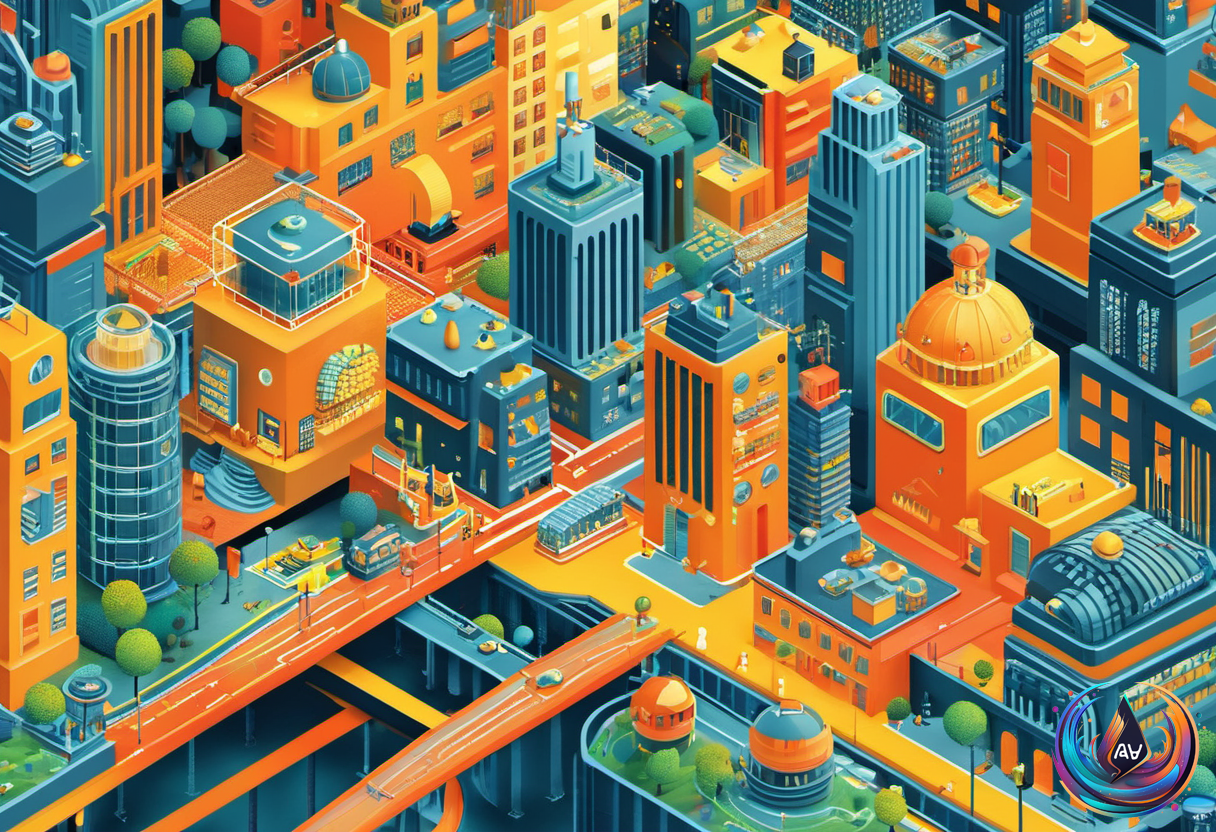
How AI Is Transforming Urban Planning and City Design
 373
373Imagine a future where city planners can preview different development scenarios before making any concrete decisions. It might sound like something out of science fiction, but artificial intelligence (AI) is making this possible today. Leaders in the field, like Shah Muhammad from the design and engineering firm Sweco, are pioneering these innovations that are reshaping how cities are built and managed.
Revolutionizing Urban Design with Data-Driven Insights
Shah explains that AI is fundamentally changing urban planning by improving how decisions are made and making infrastructure more sustainable. Instead of relying solely on experience or intuition, AI analyzes massive amounts of data to simulate various future scenarios. This allows city planners to see potential outcomes for different projects, helping them choose the most efficient and resilient options.
By running countless simulations, AI acts like a crystal ball, predicting which designs will work best under different conditions. This approach leads to smarter planning, where decisions are backed by data rather than guesswork. As a result, cities can be designed more efficiently, with better resource use and improved quality of life for residents.
Addressing Real-World Challenges in City Planning
Of course, real cities aren’t perfect. Unpredictable weather, delays, and human factors can complicate projects. Shah and his team are tackling these issues by focusing on data quality. They implement strict data governance practices, standardize formats, and use interoperable tools to ensure their information is reliable and consistent across projects.
Having trustworthy data is essential. It’s like making sure everyone on a team sings from the same sheet of music. When data is accurate and compatible, planners can better adapt to surprises and make informed decisions even when conditions change unexpectedly. This approach helps create more resilient urban environments that can withstand the chaos of real life.
Overall, these efforts improve the planning process, making it more flexible and trustworthy. They also set the stage for smarter city development, where technology helps solve complex problems more effectively.
Hopeful Outlook for Sustainable and Smart Cities
What makes AI in city planning especially exciting is its potential to promote sustainability. Shah highlights that many AI-driven projects have already shown measurable benefits in reducing environmental impact and improving resource efficiency. As urban areas grow, finding ways to make cities more sustainable becomes critical.
AI’s ability to analyze data and simulate outcomes offers hope for creating cities that are not only smarter but also more livable and eco-friendly. It can help optimize transportation, reduce energy consumption, and improve waste management—all essential for future urban life.
With AI leading the way, the future of city planning looks brighter than ever. It opens the door to urban environments that are more adaptive, sustainable, and better suited to serve their inhabitants for generations to come.

















What do you think?
It is nice to know your opinion. Leave a comment.