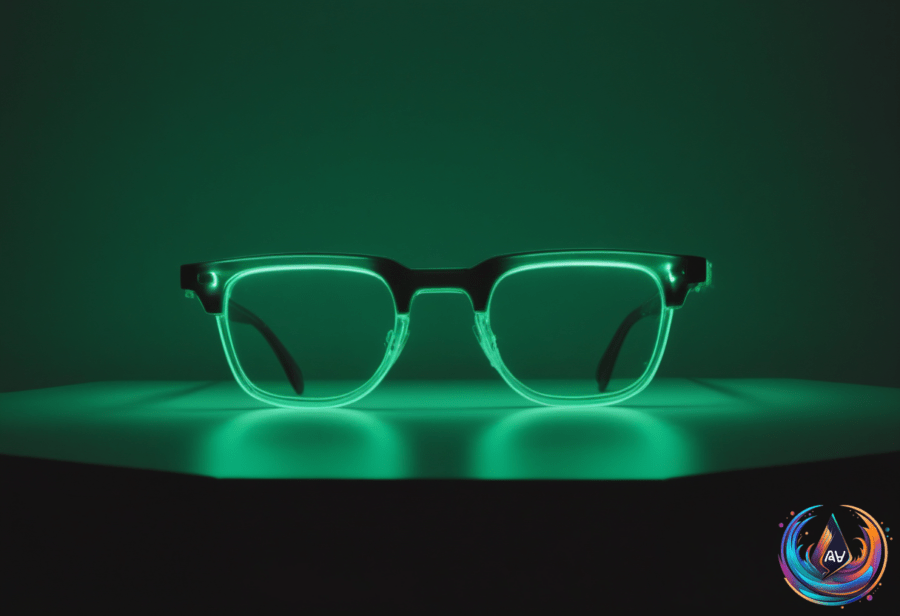
In a world where smart glasses are shaping up to be the next wearable frontier, South Korea’s LetinAR is quietly revolutionizing the optical backbone that makes these devices viable. Instead of rushing to produce finished products, LetinAR focuses on the tiny, critical component—its optical modules—that project images into your field of vision. The challenge isn’t just making the lenses small but making them smart, efficient, and thin enough to slip into everyday frames. Their proprietary PinTILT technology arranges microscopic optical elements to direct light precisely where it needs to go, delivering brighter images with less power and a form factor that won’t make you look like a cyborg. This seemingly minor innovation is arguably the industry’s most daunting hurdle, and LetinAR is positioning itself as the supplier of choice for companies aiming to bring AI glasses into the mainstream.
Meanwhile, Samsung is preparing to stake its claim in this nascent market with not one but multiple launches set for July. The company’s upcoming Galaxy Unpacked event in London is expected to introduce a line of AI-powered smart glasses that eschew the usual futuristic look for something more akin to ordinary eyewear. Leaked details suggest these glasses will lack a built-in display—an unusual choice—but will leverage Samsung’s Android XR platform, a Qualcomm Snapdragon AR1 chip, and Gemini AI integration. The goal appears to be creating a device that’s less gadget and more accessory, capable of real-time translation, directions, and voice commands without the obvious “smart glasses” aesthetic. This restrained approach aims to challenge established players like Meta and Google, who have already dipped their toes into AR wearables, but Samsung’s strategy could give them a serious edge—especially if the hardware delivers the promised thinness and power efficiency.
Why the Buzz Matters
Both companies are playing a long game—one that could reshape how we interact with digital content. LetinAR’s focus on optical technology means their modules could become the unseen enablers of future AR glasses, much like how microchips powered the smartphone revolution. Their collaboration with high-profile clients hints at a readiness to scale manufacturing and move beyond prototypes, with plans for an IPO as early as 2027.
Samsung’s move to debut a display-less, AI-centric pair of glasses aligns with a broader industry trend—minimalist, everyday wearables that blend into our routines rather than scream for attention. The company’s recent Galaxy XR VR headset hints at a future where spatial computing is less about immersive headsets and more about lightweight glasses that augment reality seamlessly. The stakes are high since Apple’s own AR glasses are rumored to be delayed until 2027, giving Samsung a rare window to lead the market with a device that’s closer to mainstream adoption.
Industry watchers see these developments as more than just new gadgets—they’re signals that the era of wearable AI is approaching a tipping point. The key will be whether these glasses can deliver on comfort, battery life, and real utility without sacrificing style or affordability. If they do, the next decade could see a mass shift towards devices that are as integral as smartphones but far less obtrusive—an invisible layer of intelligence lurking in everyday eyewear.
Based on
- South Korea’s LetinAR is building optics behind AI glasses — techcrunch.com
- Samsung Galaxy Glasses Could Debut This July – Smarti Live — smarti.live
- Samsung Smart Glasses Reportedly Scheduled for Unveiling in July — techtimes.com
- Samsung Galaxy XR: The Stepping Stone to the AR Smart Glasses We Actually Want – World Today Journal — world-today-journal.com
- Samsung Set to Beat Apple to AI Smart Glasses With July Launch – MacRumors — macrumors.com