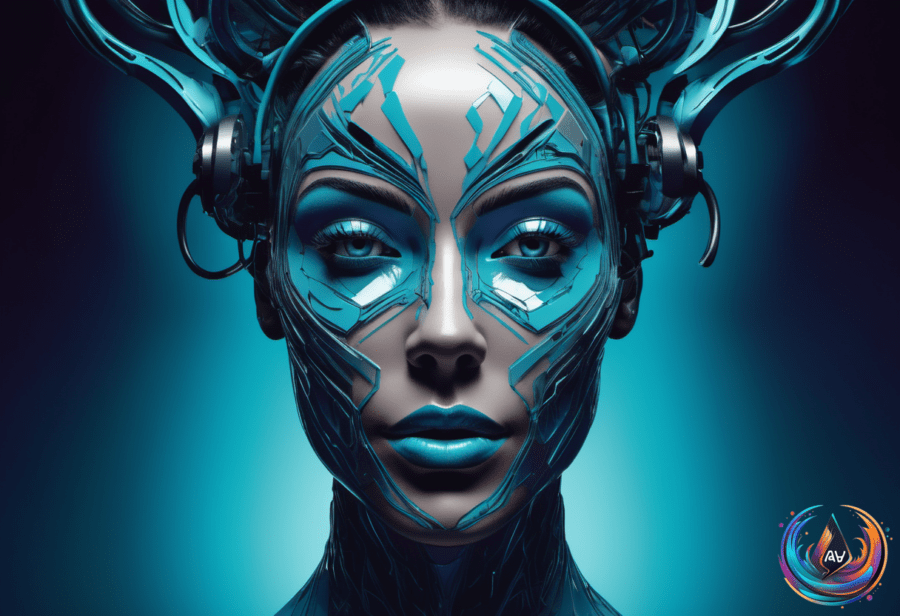
More people are walking into plastic surgeons’ offices with AI-generated images of their ideal faces. These digital portraits show flawless skin, perfectly symmetrical features, and sculpted cheekbones. But those images often set impossible standards for real surgery.
Plastic surgeons warn that AI creates beauty ideals that don’t match human anatomy or medical reality. AI can adjust every pixel to perfection. Surgery can’t work at that microscopic level. Bones, muscles, and skin don’t bend to AI’s will.
Doctors spend extra time explaining this to patients. Some want noses or jawlines shaped exactly like their AI images, but these requests can pose health risks or be physically unachievable. For example, changing eye level or bone structure isn’t safe or even possible.
The AI Face Phenomenon
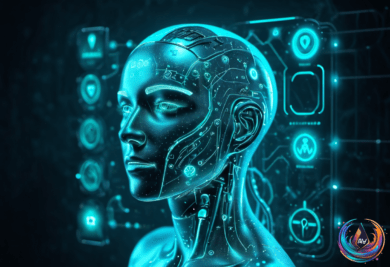
AI tools like chatbots and image generators now let people create new versions of their faces. These “AI faces” often look like characters from cartoons or video games, with big eyes and sharp jaws. Patients bring these pictures to consultations expecting surgery to replicate them.
This trend is especially common with younger people who grew up online. They see AI-generated images daily on social media and start to believe those are the new beauty standards. Once a person sees a digitally altered face, it sticks in their mind and shapes their desires.
Surgeons say this creates a psychological challenge. Patients fixate on these perfect images and ignore the natural limits of surgery. They might overlook healing differences, aging, or how their unique anatomy will respond.
Ethical and Medical Challenges
The rise of AI-inspired cosmetic requests forces surgeons to balance patient wishes with medical ethics. Surgeons must protect patients from unrealistic expectations and unsafe procedures. They emphasize that surgery has limits, and no result is guaranteed.
Doctors also see signs of “digital dysmorphia.” This is a new kind of body image problem where people feel unhappy with their real faces because they compare themselves to AI-altered versions. This can harm mental health and create unhealthy motivations for surgery.
Some patients use AI to imagine drastic changes, like ultra-thin waists or nose shapes that would impair breathing. Surgeons reject these ideas to protect essential body functions. “Bodies are not made of clay,” one surgeon said.
Medical professionals urge patients to reflect on why they want cosmetic changes. Is it for a job, a relationship, or social status? These reasons should be clear before surgery. Emotional and psychological readiness matters as much as the physical procedure.
AI’s Role in the Future of Surgery
Despite the challenges, many surgeons see promise in AI technology. AI can help simulate surgery outcomes and improve planning. For example, it can show how a breast implant of a certain size might look in real time. This helps patients set realistic expectations.
Surgeons hope AI will become a tool for education, not a template for perfection. They want patients to use AI images as guides, not absolute goals. The medical community is working on guidelines to handle these new AI-driven demands responsibly.
The beauty standards are evolving fast, pushed by technology. AI is reshaping what people want from cosmetic surgery. It challenges traditional ideas about natural beauty and human limits.
As this trend grows, surgeons must navigate complex ethical, psychological, and technical issues. They strive to help patients achieve safe, satisfying results without chasing digital fantasies.
Based on
- ‘You can’t control everything’: the rise in plastic surgeons asked to create ‘AI face’ — theguardian.com
- AI Plastic Surgery: Patients Want AI-Generated Looks | AI News — aihaberleri.org
- The “face of AI” has arrived. Customers get plastic surgery to look like images generated by ChatGPT – News Room USA | LNG in Northern BC — lnginnorthernbc.ca
- Confusion in the medical field is growing as more and more patients visit plastic surgery with an im.. – MK — mk.co.kr
- The Rise of Non-Surgical Cosmetic Procedures: Understanding Attitudes and Motivations (2026) — schedulehubai.com