The internet isn’t just a cloud of data—it’s miles of cables, acres of land, and expensive hardware buried underground and beneath the ocean. This physical foundation is where real power lives, and right now, that power is consolidating in the hands of a handful of tech giants. But a pushback is growing, challenging how this infrastructure is controlled, who benefits, and what the future might look like if users regain some say.
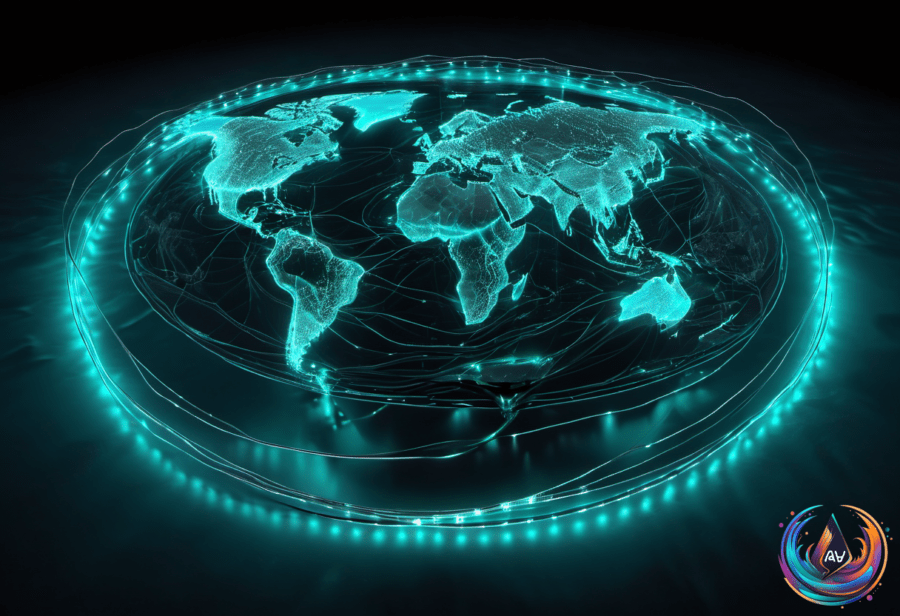
Let’s start with the cables. Those sleek fiber optic lines you never see carry the bulk of global internet traffic. They are thinner than a human hair but can transmit terabits of data per second, using light pulses bounced through ultra-pure glass. The catch? Few companies make these cables, and now nearly two-thirds of new undersea cables are financed by Google, Meta, Amazon, or Microsoft. This concentration creates chokepoints. If that sounds like a monopoly, it is. These cables connect continents but also serve corporate agendas, raising privacy and security alarms.
The recent AI boom only makes this chokehold more dangerous. AI demands vast amounts of data and computing power, fueling a frenzy of new data center construction across the U.S. These massive facilities guzzle water, electricity, and land, often without public input or oversight. Resistance movements have sprung up, led by activists who call out the “billionaire Big Tech agenda.” They argue that the industry’s unchecked growth threatens local communities and democratic control. They want to turn the tide, demanding that infrastructure serve people—not just profit.
It’s not all doom and gloom. There’s a historical precedent for alternative internet models. In rural Missouri, a telecommunications cooperative started by a great-great-great uncle of a leading scholar showed that communities can own and run their own networks. This cooperative predates many city connections and offers a blueprint for decentralizing control. Projects like NEMR (Network for Equitable and Mutual Resources) propose internet access where users decide how the network works for them, not the other way around.
Meanwhile, legal scholars are calling out the myth Big Tech spins about free speech as a shield. Social media platforms design addictive, harmful systems that trap users in cycles of misinformation and emotional dependency. These designs are not accidents but deliberate features driven by ad revenue and engagement metrics. The law needs to catch up to this reality. A new legal framework must protect users’ rights and privacy, not just platform profits.
The internet’s infrastructure is the new battleground for power and control. It’s not just about faster speeds or shiny AI tools. It’s about who owns the cables, who controls the data centers, and who sets the rules. The stakes are high: privacy, democracy, and the very shape of our digital future depend on it. Resistance is growing, but so is the grip of corporate interests. The question is not if the fight will happen—it’s who will win.
Based on
- Podcast: The Physical Politics of the Internet with Britt Paris — 404media.co
- Astra Taylor on AI Data Center Resistance & Fighting “Billionaire Big Tech Agenda” – Radio Free — radiofree.org
- Olivier Sylvain, “Recovering the Internet: How Big Tech Took Control-And How We Can Take It Back” (Columbia Global Reports, 2026) – New Books in Public Policy – Podcast Episode – Podscan.fm — podscan.fm
- Samanth Subramanian: Subsea cables are critical yet vulnerable infrastructures, fiber optics revolutionize data transmission, and privatization reshapes telecom funding | Odd Lots — cryptobriefing.com
- Samanth Subramanian on the Undersea Cables That Keep the… — podbrain.app
- Peter S. Soppelsa, “Paris After Haussmann: Living with Infrastructure in the City of Light, 1870–1914” (U Pittsburgh Press, 2026) – New Books Network – Podcast Episode – Podscan.fm — podscan.fm