









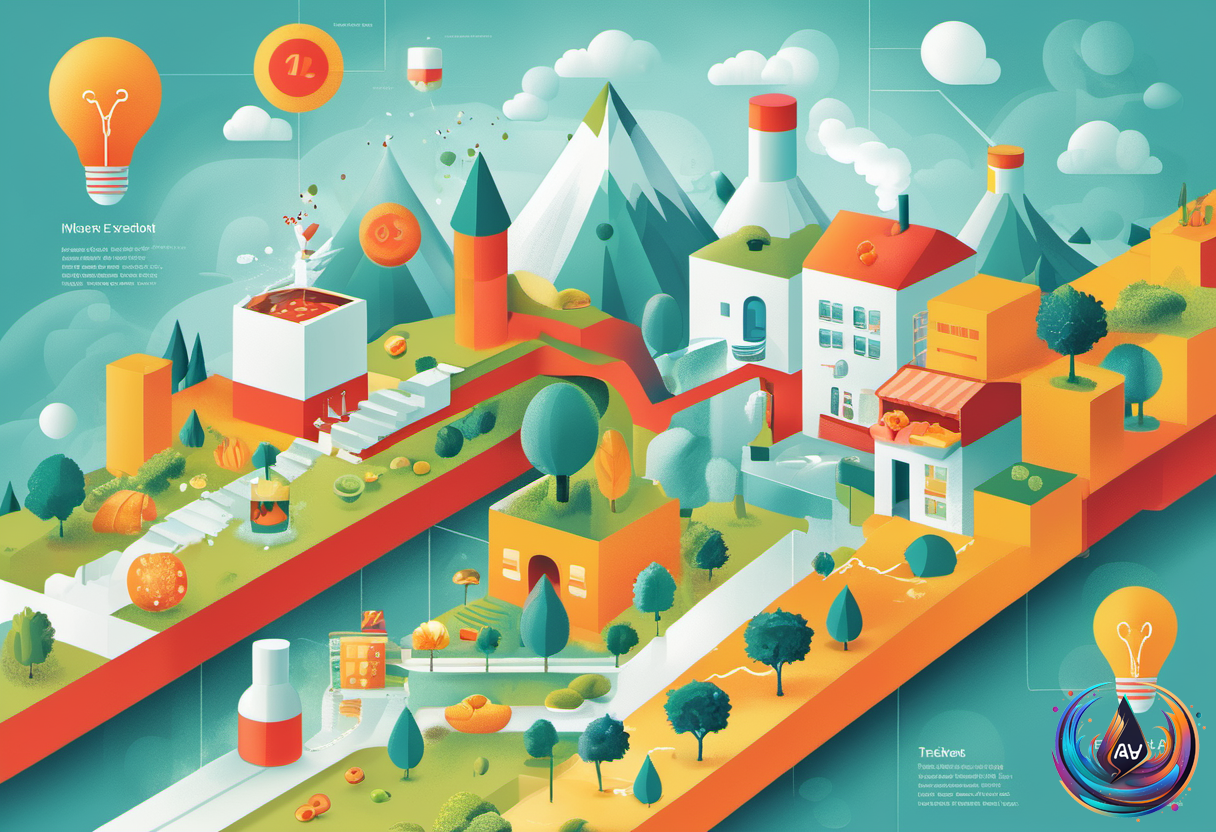
How Artificial Intelligence Is Changing Modern Farming
 353
353Artificial intelligence is transforming agriculture in exciting ways. Farmers are now using AI tools to make smarter decisions about their crops. This technology helps them choose the best varieties for their land, aiming for higher yields and more efficient farming practices. Instead of relying solely on traditional trial-and-error methods, farmers can now access data-driven insights that save time and resources.
AI Helps Farmers Select the Right Crops
Choosing the right crop varieties has always been a challenge for farmers. Traditionally, they tested different types, compared results, and gathered feedback from other growers. This process took a lot of time and effort, and sometimes didn’t produce clear answers. Now, AI technology can analyze vast amounts of agricultural data to identify which crop varieties are most likely to succeed in specific regions.
One company leading the way is Heritable Agriculture. They have developed AI tools that work with data from crop trials and existing research. These systems can predict how well different crops will perform in particular areas, helping farmers make better choices without the guesswork. The AI’s predictions are precise enough to work at a scale of about 10 meters by 10 meters, giving farmers detailed insights into their fields.
The Benefits of AI in Modern Agriculture
Using AI offers many advantages for farmers. It can help reduce waste by ensuring that only the most suitable crops are planted. This leads to better yields and higher profits. With more accurate predictions, farmers can also save resources such as water, fertilizer, and labor. Overall, AI makes farming more efficient and sustainable.
Industry experts highlight how AI is revolutionizing agriculture. For example, Matthew Johnston from Syngenta emphasizes that data-driven decisions lead to more efficient operations. As AI technology continues to improve, it will become an even more vital part of farming, helping growers adapt to changing conditions and increase productivity.
In summary, the integration of AI in agriculture is opening new doors for farmers worldwide. It offers smarter ways to grow food, reduce waste, and increase profitability. As technology advances, it will be interesting to see how AI continues to shape the future of farming and food production. This shift promises a more sustainable and productive agricultural industry for generations to come.

















What do you think?
It is nice to know your opinion. Leave a comment.