









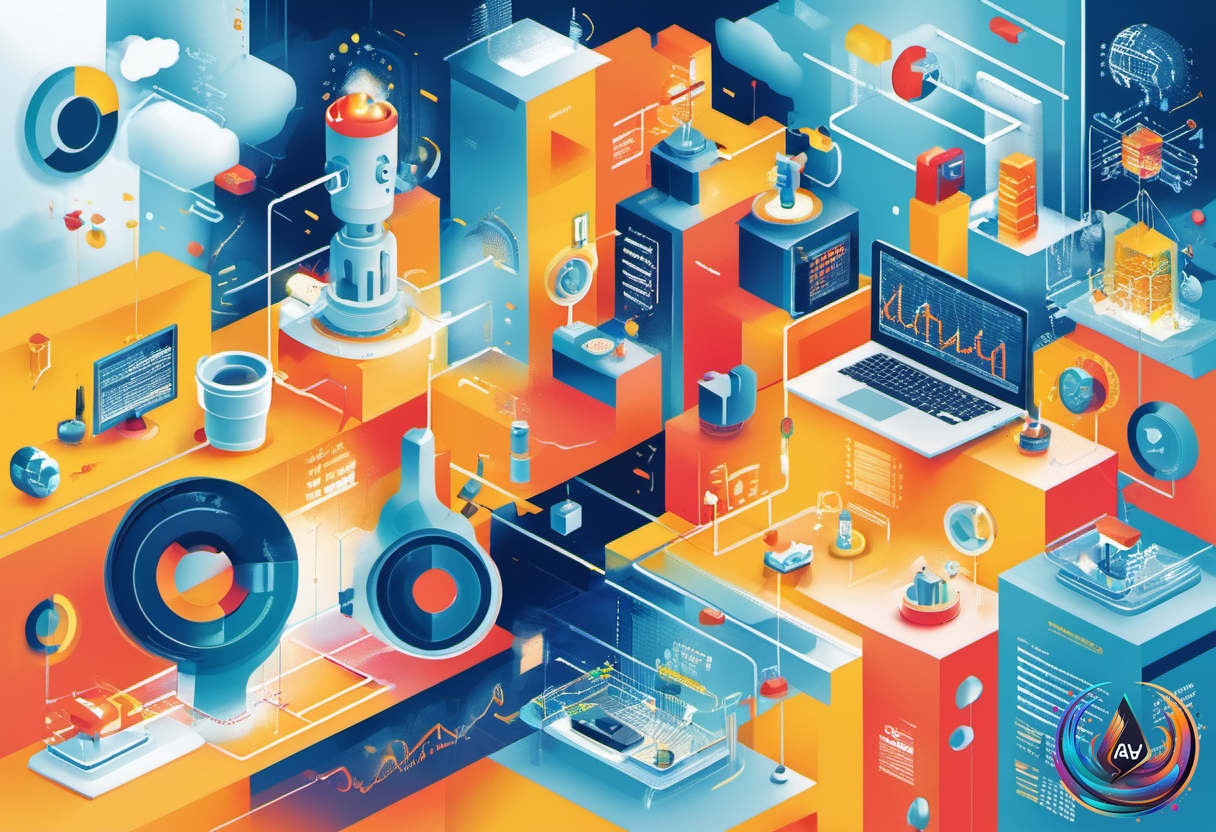
How AI Is Transforming Forex Trading Robots
 109
109Artificial intelligence is changing how currency trading works. More forex robots now use AI to analyze huge amounts of market data and spot patterns humans might miss. As global markets run 24/7 and generate endless information, traders rely on smarter tools that can interpret and act on market signals instantly. Today’s forex robots are more than simple rule-based systems—they adapt, learn, and improve over time thanks to AI.
The Shift from Static Rules to Smarter Systems
Early forex robots followed fixed rules set by developers. For example, they would buy when a moving average crossed a certain point or sell once a price hit a specific target. These systems worked okay in stable markets but struggled when conditions changed quickly. They lacked flexibility and couldn’t adapt to new trends.
AI has brought a new level of flexibility. Instead of relying on fixed rules, AI models analyze past market data to find complex relationships between variables like price movements, volatility, and economic indicators. This makes trading systems more adaptable to different market conditions and better at handling surprises.
The Key Technologies Powering Modern Forex Robots
Several AI techniques are now used to develop advanced forex trading systems. Machine learning models are common—they analyze historical currency data to spot patterns and generate predictions. Natural language processing helps trading robots scan financial news and economic reports to gauge market sentiment. Deep learning, especially neural networks, enables systems to recognize intricate patterns in data that simpler models might miss.
These technologies allow forex robots to learn from new data, adjust their strategies, and improve their performance over time. They can also interpret news and reports, giving traders a broader understanding of what might influence currency prices. Overall, AI makes automated trading more dynamic and responsive to real-world events.
The Future of Automated Forex Trading
AI-driven forex robots are already changing how traders operate. They can react faster, analyze more data, and adapt to changing markets better than traditional systems. As AI continues to evolve, these systems will become even more sophisticated, possibly incorporating more real-time data and advanced predictive models.
This progress means traders will have more powerful tools at their disposal, blending human judgment with machine intelligence. The goal is to create systems that not only follow rules but also learn and improve on their own, making forex trading more efficient and potentially more profitable.
In the end, understanding how AI shapes these systems helps traders prepare for the future of automated trading. It’s clear that AI is not just a trend but a fundamental shift in how currency markets are analyzed and navigated. The ongoing development of AI in forex trading promises exciting possibilities ahead.














What do you think?
It is nice to know your opinion. Leave a comment.