









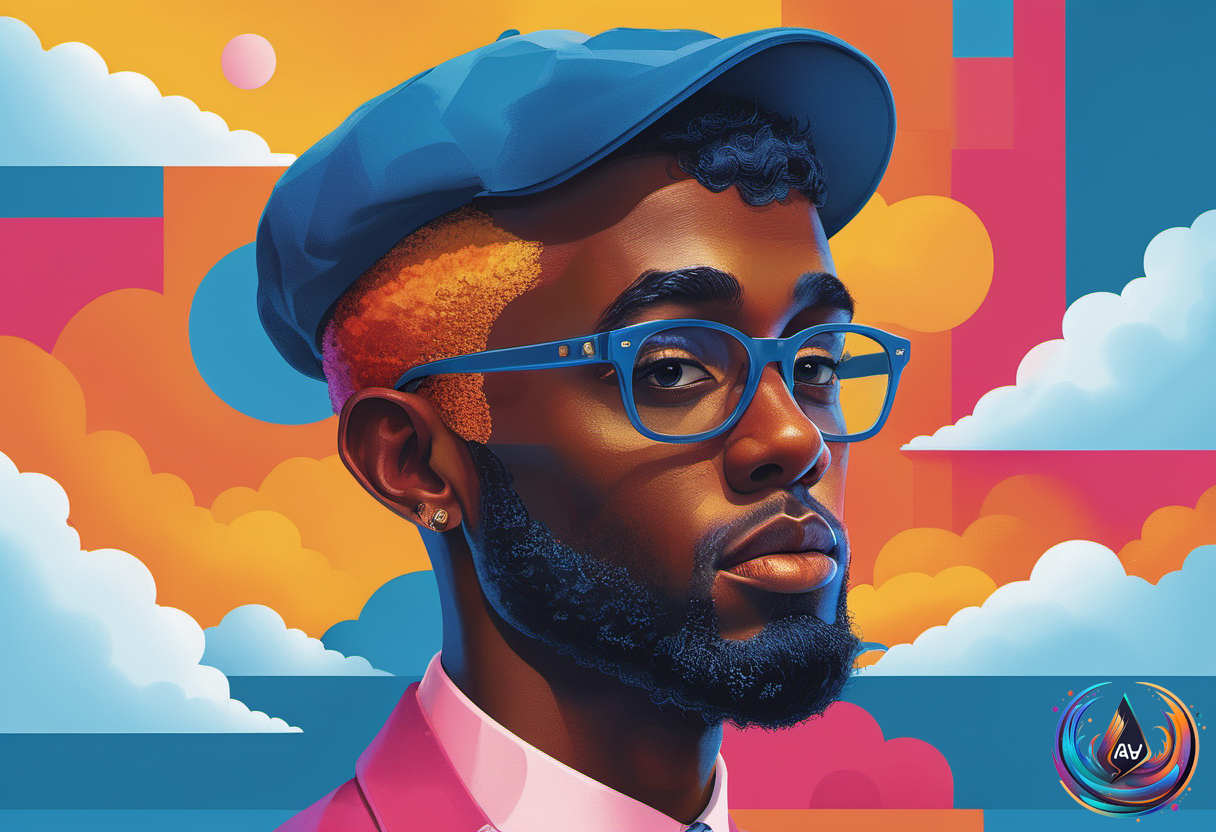
How AI Fake Songs Are Confusing Music Fans and Artists
 520
520These days, being a musician isn’t just about making music. It’s also about fighting for attention in a sea of social media, streaming, and now, AI-generated content. Artists are finding that AI bots are creating fake songs and flooding the internet, making it hard for real music to stand out. This new challenge is turning into a strange game where the line between real and fake music gets blurrier by the day.
The Case of Tyler, The Creator’s Fake Leak
Earlier this summer, Tyler, The Creator announced a new album called “Don’t Tap The Glass” with some mysterious social media posts and a giant glass prop in Brooklyn. Fans were excited, expecting the album to drop on July 21. Everything seemed set, until the day before the release, when internet chaos erupted. Instead of genuine buzz, people found a poorly made AI song pretending to be the new album leak.
This fake track had the same name as the album and sounded totally off from Tyler’s usual style. It was a cheesy, repetitive pop tune with the phrase “don’t tap the glass” over generic chords. TikTok users quickly spotted that it sounded like a cheap 2010s dance hit, and it went viral for all the wrong reasons. The song became a meme, with people making jokes and sharing clips that mocked its low effort. Ironically, this fake AI song helped it gain more attention than the real album itself.
The Impact of Fake Music on the Digital World
While Tyler’s real album received good reviews from critics, the AI-created version quickly flooded search results and streaming platforms. A fake upload by a made-up label appeared on Spotify, ranking high in searches for the album. On TikTok, the AI version dominated the top results, overshadowing the genuine release. Many users couldn’t tell the difference, and some even joked about crying over the AI fake instead of the real music.
This phenomenon highlights how AI-generated content is disrupting the music scene. People are sharing memes, creating fake versions, and even discussing how these bots are winning attention away from actual artists. Some comments on social media reflect a strange mix of amusement and frustration, with many saying they remember the fake song more than the real one. It’s become a grassroots effort to keep the AI fake trending, even though it’s clearly not the real deal.
What This Means for Artists and Fans
The rise of AI fakes shows a new challenge for musicians trying to promote their work. With AI capable of creating convincing, but fake, music, it’s harder than ever to protect your brand and ensure fans are listening to authentic content. This also raises questions about copyright and how to prevent AI from copying or mimicking artists without permission.
For fans, it’s a reminder to stay cautious when exploring new music online. If something sounds too generic or too good to be true, it might be AI-made. The situation with Tyler’s album is just one example of how technology is changing the way we experience music. While AI can be a tool for creativity, it also opens the door for deception and confusion.
As the music industry adapts, artists and fans will need to develop new ways to verify authenticity. Whether that means more secure platforms, better algorithms, or simply more awareness, the goal is to keep music real in a digital landscape increasingly filled with fakes. The story of Tyler’s AI leak is a sign of the times — a weird, funny, and somewhat worrying glimpse into a future where distinguishing truth from AI might become one of the biggest challenges for creators and audiences alike.














What do you think?
It is nice to know your opinion. Leave a comment.