The Tense Dance of Diplomacy: Taiwan, China, and the U.S. on a Knife’s Edge
Imagine a high-stakes game where every move could reshape global stability! That’s exactly what’s unfolding as U.S. President Donald Trump hints that a crucial $14 billion arms package for Taiwan is now a “negotiating chip” in U.S.-China relations. This revelation has sent shockwaves through the international community, igniting fears about a potential escalation in tensions over Taiwan’s future. Are we witnessing a new era where military support becomes a bargaining tool in great-power diplomacy? Let’s unpack what’s really happening behind the scenes.
From Diplomatic Warmth to Strategic Leverage
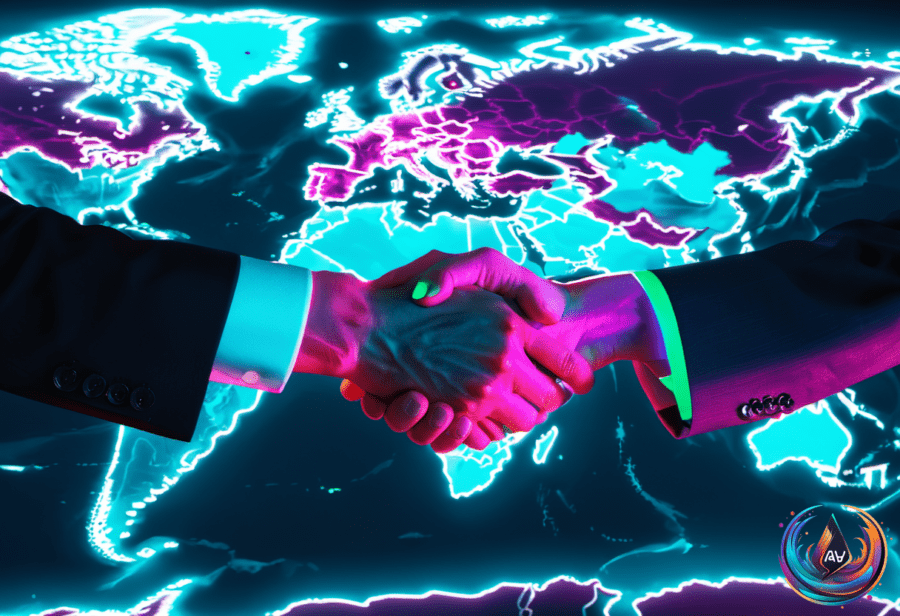
Trump’s recent trip to Beijing was meant to strengthen ties, but instead, it exposed the underlying fragility of U.S.-China relations. During a candid interview, Trump openly stated that the long-pending arms sale to Taiwan—approved by Congress but not yet delivered—could be withheld or used as leverage. He described it as a “very good negotiating chip,” suggesting that U.S. support for Taiwan might now be negotiable rather than a steadfast commitment. This shift raises a critical question: Is U.S. policy toward Taiwan evolving from a security guarantee into a geopolitical bargaining tool?
Historically, U.S. law, especially the Taiwan Relations Act, has mandated providing Taiwan with defensive arms, emphasizing a commitment to regional stability. But Trump’s remarks blur these lines, framing the arms deal as a variable dependent on Beijing’s actions. Such a stance risks turning Taiwan’s security into a pawn in broader negotiations—an unsettling prospect for the island’s democracy and its allies.
Global Reactions and Rising Anxiety
The implications ripple beyond diplomatic corridors. Taiwan’s government remains firm that arms sales are essential for maintaining regional peace, citing legal obligations under U.S. law. Yet, Trump’s ambiguity about future weapons shipments stokes fears of instability. A senior Taiwanese diplomat emphasized that arms sales are a cornerstone of regional peace, but with the U.S. hesitating, uncertainty looms.
Meanwhile, China’s response is clear and uncompromising. Beijing views Taiwan as part of its territory and has warned that mishandling the issue could lead to conflict. The Chinese government has already staged military drills around Taiwan in response to previous arms sales, and its rhetoric has hardened, framing any support for Taiwanese independence or military aid as a direct threat to its sovereignty.
This escalating rhetoric pushes the world closer to a dangerous precipice—will diplomacy hold, or are we heading toward a new Cold War flashpoint?
The Future of Power, Diplomacy, and Peace
What does this mean for the future? Are we witnessing a fundamental shift where military support is no longer a guaranteed pillar of U.S. policy but a strategic bargaining chip? Could this approach embolden China to take more aggressive actions toward Taiwan, or does it serve as a wake-up call for renewed diplomacy?
As global powers navigate this complex landscape, one thing is clear: the stakes have never been higher. The world must watch closely, because the decisions made today will determine the balance of power in Asia—and potentially, the stability of the entire planet.
Stay tuned as this high-stakes chess game unfolds. Will diplomacy prevail, or are we on the brink of a new geopolitical showdown? Only time will tell, but one thing’s certain: the world is watching.
Based on
- Trump calls Taiwan arms deal a “negotiating chip” after three days with Xi in Beijing — thenextweb.com
- Trump calls Taiwan arms sales as ‘negotiating chip’ — spectrumlocalnews.com
- Trump sees arms sales to Taiwan as negotiating chip with China — yahoo.com
- Trump won’t commit to arms sale to Taiwan after stark warning from Xi – International News — usfow.com
- Trump’s description of Taiwan as a ‘good negotiating chip’ with China raises anxieties — ca.finance.yahoo.com
- Taiwan Stresses Stability After Trump Questions Future Arms Sale — stratnewsglobal.com