









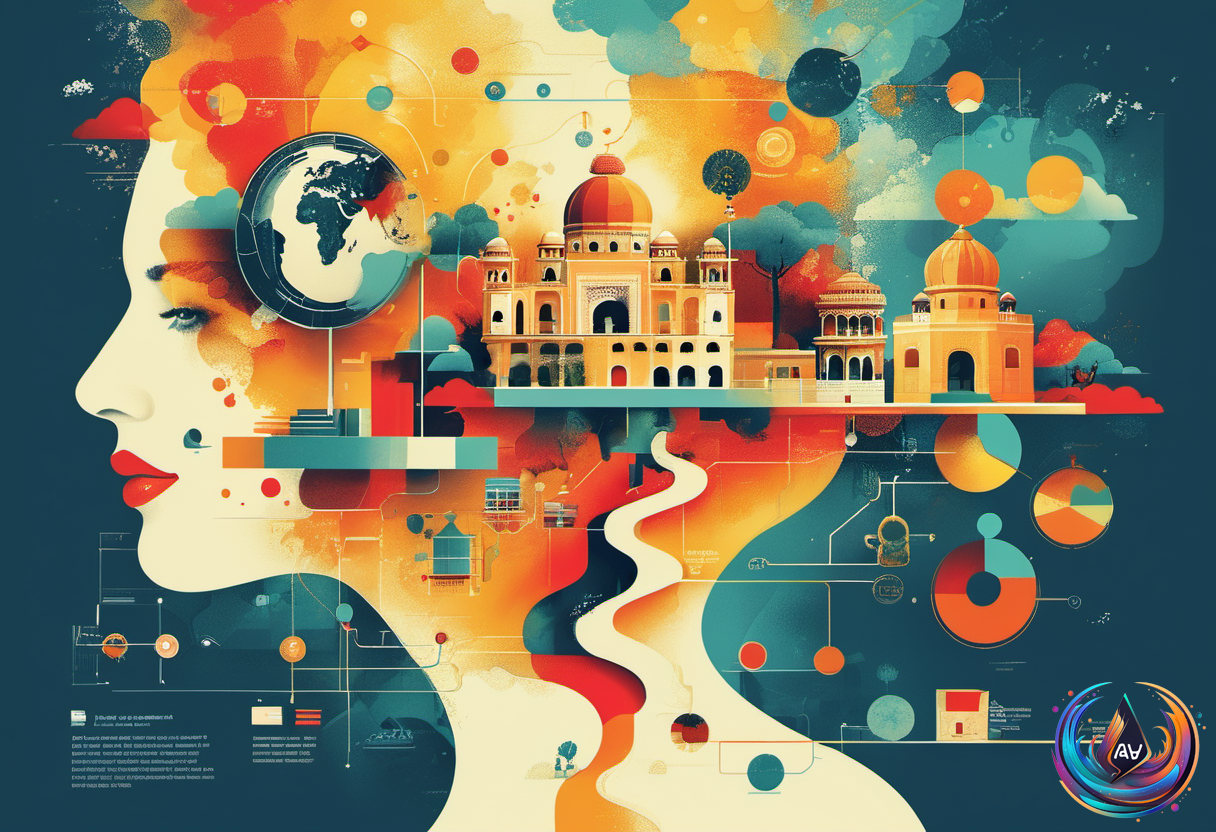
Global Leaders Converge in India to Shape AI’s Future
 155
155This week in New Delhi, India hosted a major AI summit that brought together government officials, CEOs, and experts from around the world. The focus was on both the opportunities and challenges of artificial intelligence. While discussions highlighted AI’s potential to improve healthcare and farming, concerns about its rapid development also took center stage.
Diplomacy and Competition Amid AI Advances
At the summit, leaders emphasized the importance of international cooperation. India’s prime minister, Narendra Modi, called for shared standards and universal access to AI technology. He compared AI governance to how the world manages electricity, suggesting it should be a common resource rather than a tool for rivalry. Similar efforts are happening in Europe, where lawmakers are negotiating the EU’s AI Act to set common rules.
However, the summit also revealed tensions. India aims to become a major player in AI hardware and semiconductor development, competing with the US and China, who are investing billions in these areas. Several international companies pledged large investments in India’s AI sector, showing a desire to be part of this growing market. But this raises questions about whether nations can truly share advances when AI can be used for military or economic advantages. Is this a peaceful collaboration or a new kind of arms race?
Concerns and Opportunities in AI Development
Attendees voiced worries about how AI could impact jobs and increase inequality if not carefully managed. Experts pointed out that automation might hit emerging markets hardest, especially those relying heavily on routine digital jobs. A report from the International Monetary Fund highlighted that jobs involving repetitive tasks and customer service are most at risk from automation.
Despite concerns, the summit also showcased inspiring uses of AI. Health officials discussed AI’s role in rural clinics, helping doctors diagnose diseases and improve patient care. Climate experts talked about AI’s potential to predict and mitigate severe weather events. Sometimes, AI’s real power lies in helping farmers prepare for bad harvests or assisting medical workers in saving lives.
Off stage, there was debate over whether global AI rules should be mandatory or voluntary. Some developing countries warned that overly strict regulations could hinder their growth. They argued that flexible, adaptable standards might be better to ensure fair progress for all nations.
Overall, the summit reflected a world eager to harness AI’s benefits but cautious about its risks. Countries want to work together, but the race for technological leadership remains intense. As AI continues to evolve rapidly, the world faces the challenge of balancing innovation with safety and fairness. The coming years will show whether global cooperation can keep pace with this fast-moving technology.

















What do you think?
It is nice to know your opinion. Leave a comment.