









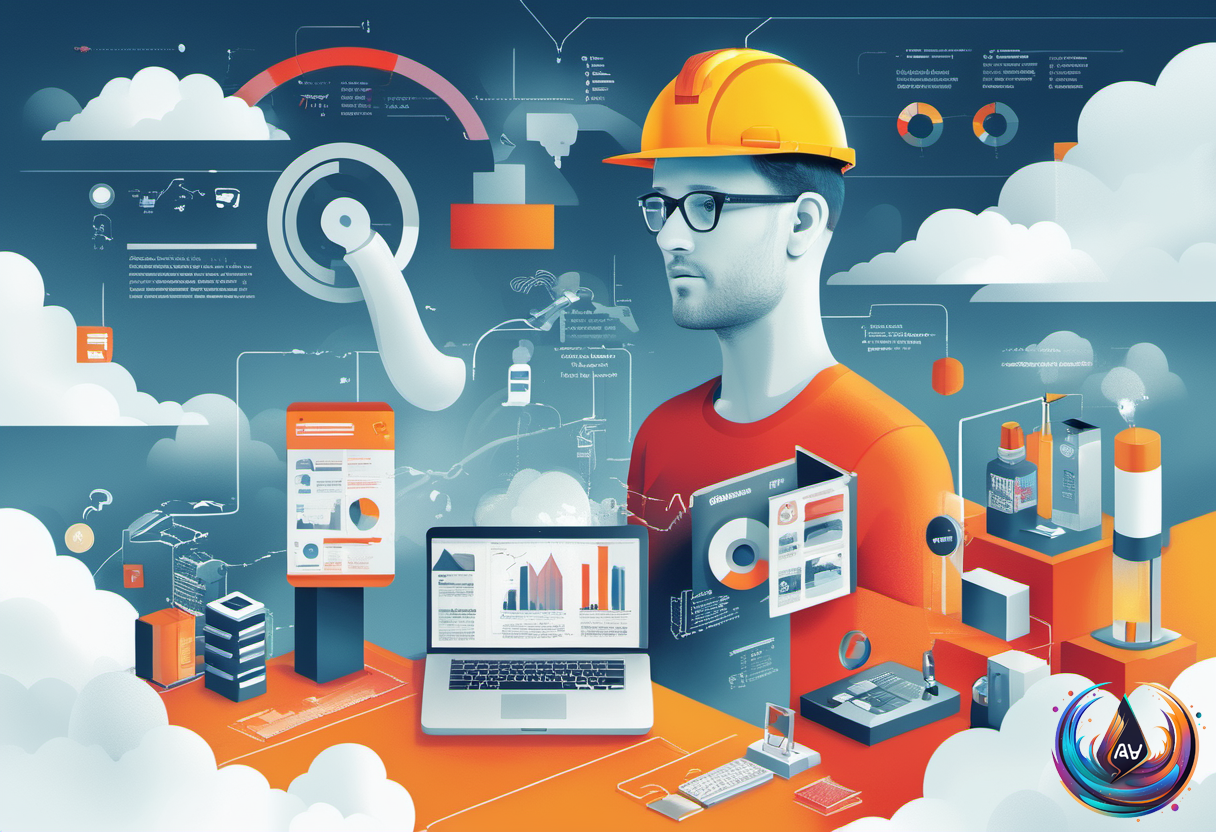
How AI Is Changing Jobs Without Replacing Them
 108
108Artificial intelligence is quietly transforming the way we work. It’s not about robots taking over overnight or mass layoffs happening suddenly. Instead, AI tools are slowly changing the tasks we do every day. Some jobs are becoming different, but not necessarily disappearing. This shift can be both exciting and challenging, depending on how companies and workers adapt.
The Subtle Shift in the Workplace
When AI enters the workplace, it often does so gradually. It starts with small tools that help with writing emails, summarizing documents, or analyzing data. Tasks that once took hours can now be done in seconds. This means workers save a lot of time on routine chores, freeing them up for more complex or creative work.
The real change isn’t about replacing workers but about evolving roles. When mundane tasks are handled by AI, employees are encouraged to focus on innovation, strategy, and other higher-level activities. However, not everyone is ready or able to make this leap. Some may find it hard to shift their focus or develop new skills fast enough.
The Challenges and Opportunities
There’s a growing concern about what happens when AI takes over more of a person’s job. If AI handles 40% of tasks today, what about 60% tomorrow? Will new jobs be created to replace those lost, or will unemployment rise? It’s a complicated question, and experts are still trying to find clear answers.
Some industries are feeling the impact more than others. Fields like marketing, law, customer service, and healthcare are seeing AI change the way they operate. Because AI develops so quickly, companies often struggle to keep up with the pace of change. This can lead to a mismatch where the technology is ready, but people and systems aren’t.
Social and Personal Impact
Work isn’t just about getting tasks done. It also shapes our routines, identities, and social structures. When AI starts to take over parts of our jobs, it raises questions about what our work means. People wonder if their roles will disappear or fundamentally change, and that uncertainty can cause stress and confusion.
This isn’t just a technical issue—it’s a social one. How jobs are changing affects people’s sense of purpose and stability. The conversation often overlooks these human aspects, but they are crucial to understanding the full impact of AI in the workplace.
Choosing the Future of Work
Even with these challenges, there’s hope. Companies have a choice in how they use AI. They can use it to make jobs more efficient and less repetitive. This could lead to more flexible work arrangements, creative opportunities, and roles that focus on human skills AI can’t replicate.
However, this positive future depends on decisions made now. If AI is left solely to maximize efficiency, it may deepen inequalities or erode meaningful work. It’s up to business leaders and policymakers to shape a future where AI enhances human work rather than replacing it entirely.
In the end, your job isn’t going away overnight. It’s changing steadily, quietly, and in ways we’re only beginning to understand. The key will be how we choose to adapt and what kind of future we want to build with AI by our side.














What do you think?
It is nice to know your opinion. Leave a comment.