









Nvidia’s RTX Spark Redefines Windows Laptops and AI Power
 12
12Nvidia just rewrote the rules for Windows laptops. The RTX Spark chip isn’t just another processor—it’s a full-scale assault on Intel and AMD’s decades-long reign.
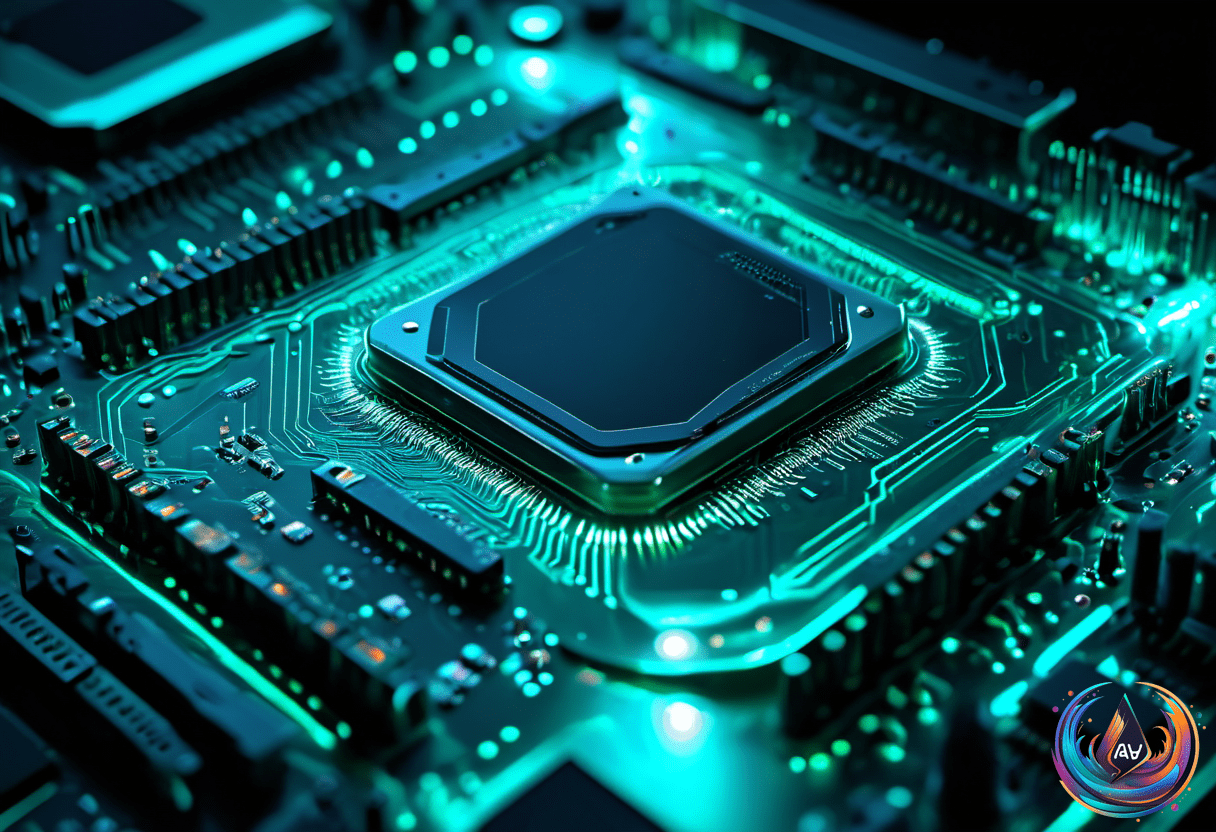
Unveiled at Computex 2026, RTX Spark combines a 20-core ARM-based CPU, a Blackwell-generation GPU with 6,144 CUDA cores, and up to 128GB of unified memory. This isn’t your average laptop chip. It’s a superchip designed to run local AI workloads that previously demanded data centers.
The key innovation is unified memory shared seamlessly between CPU and GPU through Nvidia’s proprietary NVLink-C2C. This allows AI models and demanding creative apps to chew through data without bottlenecks. Nvidia claims it can handle everything Windows has ever run—plus autonomous AI agents that work all day without cloud lag.
Microsoft is onboard, integrating RTX Spark into its Surface Laptop Ultra, positioning it as a MacBook Pro killer with a 15-inch Mini-LED display and multiple ports. Other major OEMs like Dell, Asus, HP, Lenovo, and MSI are launching premium laptops based on this chip this fall.
But here’s the kicker: these machines will cost a fortune. Expect starting prices north of $3,000, with maxed-out configurations topping $4,000. Nvidia isn’t aiming for the casual user. This is a pro-grade tool for AI researchers, content creators, and deep-learning professionals.
Battery life claims are bold—“all-day” use—but do not expect marathon gaming sessions without a charger. The chip’s ARM architecture and integrated design offer efficiency gains, but high-performance workloads will still drain power fast.
Gaming on RTX Spark looks promising yet complex. Nvidia demoed titles like Forza Horizon 6 and Alan Wake II running smoothly on ARM emulation, aided by DLSS 4.5 upscaling. Emulation has always been a weak spot for ARM Windows machines, but Nvidia says it tuned both hardware and software to minimize stutters and compatibility issues.
Still, the devil is in the details. Emulation overhead remains a potential bottleneck, and Nvidia hasn’t revealed full performance benchmarks. For now, the demos are tantalizing but incomplete proof.
This launch marks a seismic shift. Nvidia moves from a GPU add-on company to a full-stack chip designer. It challenges Intel, AMD, and Qualcomm by integrating CPU and GPU on a single package optimized for AI workloads.
Wall Street reacted swiftly. Nvidia’s stock jumped 4%, Arm Holdings surged 18%, while Intel and AMD shares slid. The chip uses Arm’s instruction set, promising a windfall in royalties as RTX Spark powers dozens of high-end laptops.
The AI angle is Nvidia’s ace. The RTX Spark chip isn’t just about raw speed but about running local, autonomous AI agents that manage your workflow without sending data to the cloud. Privacy-conscious professionals and AI developers stand to benefit most.
That said, Nvidia’s biggest challenge is market adoption. The high price limits RTX Spark to niche buyers. It must prove that its AI-native architecture beats Apple’s M-series Max chips and Intel’s latest x86 offerings to justify the premium.
If successful, RTX Spark could usher in a new Windows laptop era—where powerful AI co-workers run locally, gaming thrives on ARM, and the laptop truly earns the “AI PC” label.
Otherwise, it risks becoming an expensive curiosity, admired but out of reach for most users. The next few months of testing and reviews will decide if RTX Spark is a revolution or just another overhyped launch.
Based on
- Nvidia’s RTX Spark Laptops Look Hell-Bent on Disruption — wired.com
- The new NVIDIA RTX Spark laptops are AI PCs on steroids – GadgetMatch — gadgetmatch.com
- Nvidia’s RTX Spark Laptops Are the Kick in the Ass Gaming PCs Needed — gizmodo.com
- Nvidia’s RTX Spark launch changes everything you thought you knew about laptops | T3 — t3.com
- Nvidia Enters Windows Laptop Market to Challenge Intel and AMD — techstory.in
- Nvidia’s RTX Spark laptop chips promise performance—if you can afford them | keepingupwith.ai — keepingupwith.ai

















What do you think?
It is nice to know your opinion. Leave a comment.