









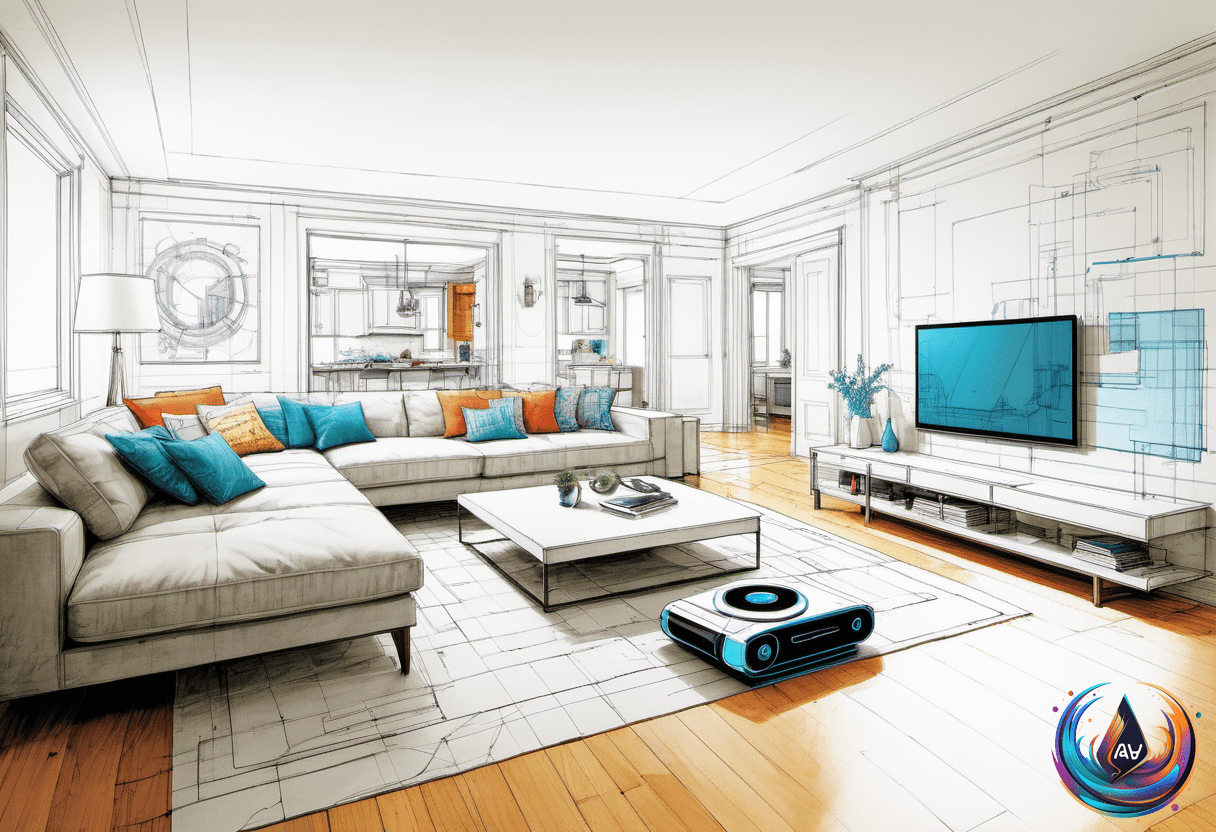
Living with AI and Robots in a World That’s Already Here
 28
28Joanna Stern spent a year handing AI control over her life. She let machines handle everything from cooking to driving and even companionship. The results were a mix of convenience, glitches, and unsettling moments.
Stern’s experiment wasn’t about tech toys. She wanted to see what happens when AI can do nearly all human tasks. The answer: AI is already embedded in daily life, but the emotional and ethical consequences are just starting to surface.
She discovered AI’s limits in simple tasks like mowing the lawn or folding laundry. Robots can do repetitive work, but they stumble in unpredictable or dynamic environments. Physical robots remain years away from replacing most human jobs.
Software AI, meanwhile, is sprinting ahead. It’s already reshaping office work, customer service, and healthcare diagnostics. But that progress invites serious questions about job security, data privacy, and trust.
Many people worry about losing their jobs to AI. The reality is selective automation is replacing some tasks, not entire careers yet. Physical robots fall short in complexity and reliability. AI software is faster to adopt but still requires human oversight.
Privacy concerns are rising as AI apps collect vast amounts of personal data. Calls for transparency and ethical guidelines are growing louder. Users must learn to question AI outputs and verify facts—blind trust is dangerous.
One of the most unsettling parts of Stern’s year was her time with a chatbot companion. Emotional attachment to AI raises profound questions about loneliness and human connection. If you treat AI like a being, it can feel like one.
Meanwhile, Google is testing AI-powered search changes amid media pushback. The battle over how AI interacts with human content and data is heating up. Control over digital information remains a key battleground.
Robots are useful in factories and warehouses where environments are controlled. But they struggle with real-world complexity and safety. Even the most advanced humanoid robots need constant maintenance and human supervision.
Experts agree mass robot replacement of human workers is years away. The challenge isn’t just building capable machines. It’s ensuring they operate safely, reliably, and fit into existing social and economic systems.
On a societal level, AI and robotics could improve work-life balance and reduce human exposure to dangerous jobs. But they may also disrupt economies based on employment and wages. That future demands new thinking about work and value.
AI is no longer a science fiction promise. It’s here, reshaping homes, offices, and industries. We’re learning what it means to live alongside machines that think, act, and sometimes feel. The question now is how we control the technology before it controls us.
Based on
- My year with the robots: how Joanna Stern let AI into her home, work – and heart — theguardian.com
- My Press – United Kingdom – Financial Times – ‘Close to the Terminator narrative’: the dawn of self-improving AI — mypresstoday.com
- How Persons Use AI Effectively – News Today — url4ever.com
- On the Frontlines of Change: Addressing Common Questions About AI in Everyday Life – Truth Chronicle Network — c.tb12367.com
- My Press – United Kingdom – The Guardian – Google starts testing changes to AI search after UK media sites given power to opt out – business live — mypresstoday.com
- Humanoid Robots Stay Years Away From Changing Human Employees – Aipioneerhub — aipioneerhub.info














What do you think?
It is nice to know your opinion. Leave a comment.