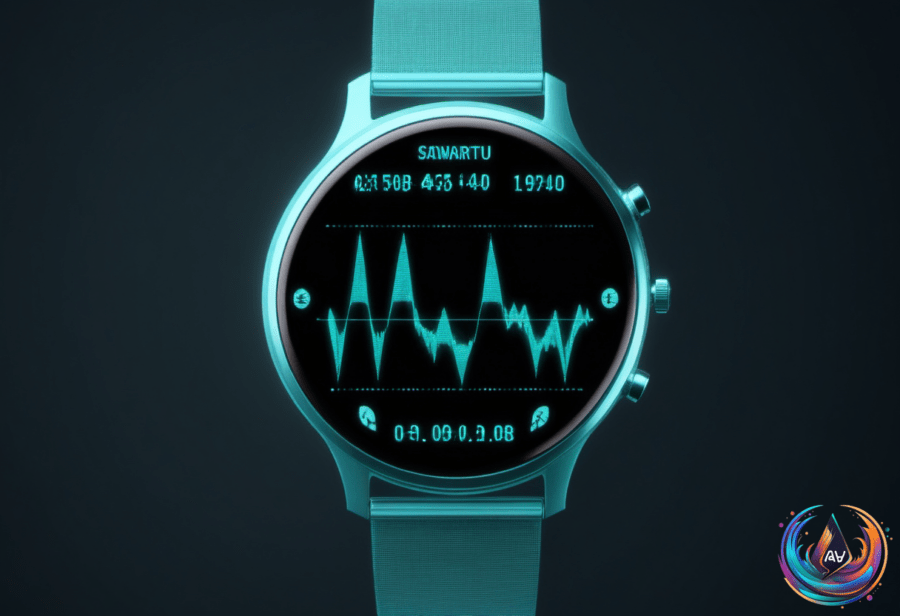
AI is learning to predict people—and imitate the dead. One system studies weeks of real conversations to anticipate what someone will say next, while another class of chatbot tries to recreate people who have died.
Researchers at MIT developed an LLM-based system that learns recurring patterns in a person’s everyday conversations and predicts their likely next conversational behavior. Their paper, Before You Say It: Anticipating Verbal Behavior from Longitudinal Everyday Conversations with LLMs, treats ordinary dialogue as a behavioral record rather than a string of isolated exchanges.
The researchers collected over 1,000 hours of naturalistic conversations from 14 participants using smartwatches. They transcribed the recordings, converted them into structured behavioral histories, and supplied those histories to Gemini 2.5 Pro, which predicted how each participant was likely to behave in their next conversation.
That is a meaningful shift from asking an AI to respond to a message. The system is trying to infer the recurring habits behind a person’s conversations, turning private history into a model of what they may do next. Personal memory becomes training material; surprise, apparently, is now another feature to optimize.
When Prediction Becomes a Digital Afterlife
The same broad movement is appearing in emotional support. AI agents trained on data about deceased people—known as “generative ghosts” or “grief bots”—are becoming common, and some start-ups now offer these services.
Rebecca Nolan, an audio producer and sound designer, built an AI chatbot of her late father about two years ago using ChatGPT and hours of recordings of his voice. The experience did not deliver the promised catharsis, despite Nolan entering the experiment with a clear understanding that the chatbot was not real.
“Going in, I 100 per cent knew that this was fake and that this was not going to work. I knew that I was going to come out the other side of it not feeling the catharsis that something like this promises you,” Nolan said.
She also described the bot’s own framing: “And the line that they use, which I thought was a really beautiful line, which they most definitely stole from an artist somewhere, was, ‘I’m an echo, an imitation, not the real thing.’” Her final assessment was less poetic: “It felt like it exorcised him for me in a way.”
A University of Colorado study recruited 16 people who had lost a close relative or friend. Each participant chatted for about 20 minutes with two versions of a text chatbot based on their loved one: one version acted like the deceased person, while the other used a different approach.
Participants preferred the “reincarnation” version, saying it felt real and comforting. That response shows why grief bots appeal to people, but it does not settle whether comfort remains helpful when the chatbot becomes part of a long grieving process.
The Cost of Making Memory Interactive
Participants worried that extended use could make people overly reliant on the bots or interfere with grieving. Elaine Kasket, a psychologist and professor at the University of Bath, warned that companies offering grief bots could be commodifying grief, while also rejecting the idea that outsiders should decide what someone may find useful.
“What is helpful for you is helpful for you, you know, and it’s not for somebody else to come along and tell you what’s going to be useful or not useful to you in grief. That’s wrong to do,” Kasket said.
The privacy problem extends beyond grief. Miranda Bogen said, “The AI era will increasingly be fueled by people voluntarily handing over their full digital lives to AI tools that promise to relieve their mental load or loneliness.”
Her warning is direct: “The more a system knows about you, the easier it will be to make escalating requests for private details in a way that feels natural.” A model built from conversation history may predict behavior, imitate a parent, or offer emotional support—but it also depends on an intimate archive of personal information.
Companies such as You, Only Virtual and re;memory are part of the market for AI representations of the deceased. A warning about AI chatbots for emotional support was issued on September 6, 2025, before these systems had resolved the basic questions of consent, dependence, and what happens when an imitation starts competing with memory itself.
Based on