









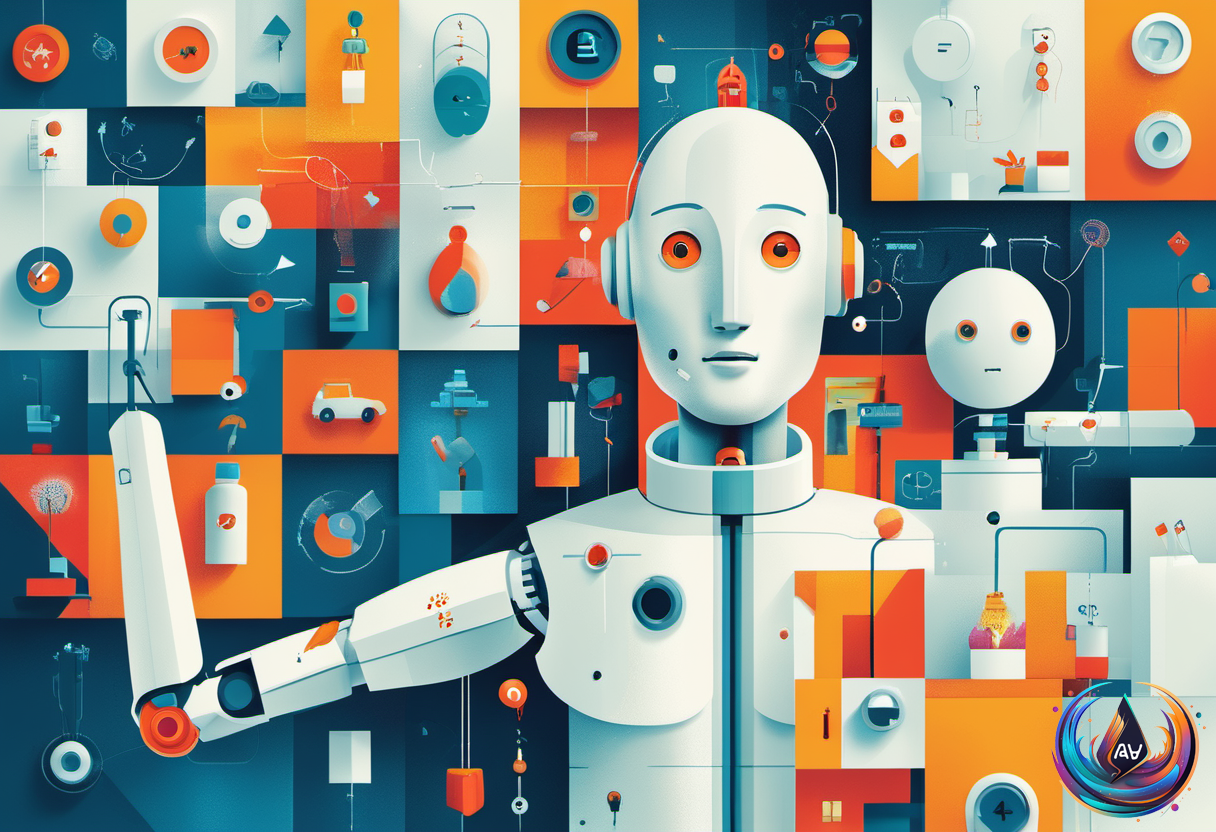
Are Humanoid Robots Actually Closer Than We Think
 250
250There’s a lot of hype around humanoid robots right now. Companies are pushing the idea that we’re about to see robots that can do all our housework and become our new best friends. But the truth is, most of these claims are exaggerated or misleading. The latest example is a company in Silicon Valley called 1X, which announced a robot named NEO that’s supposed to be ready for your home.
What 1X Claims About NEO
1X says that NEO is the first consumer-ready humanoid robot designed for home use. They show a video where NEO appears to fold laundry, organize shelves, take out the trash, and even dance or hang out like a friend. The robot is supposed to operate on its own, navigate your home, and learn new skills over time with updates. Setup is claimed to be simple—just press a button or give a voice command. If NEO can’t do something, owners can schedule a remote session with a 1X expert to help it learn the task.
NEO’s AI is designed to recognize objects, remember conversations, and adapt to user preferences. It can manage reminders, grocery lists, and help with scheduling. The robot’s hardware includes soft, safe movements thanks to a tendon-driven design, hands with 22 degrees of freedom, and a lightweight body that can lift and carry heavy items quietly. It also features built-in Wi-Fi, Bluetooth, 5G, and speakers, making it a sort of mobile entertainment system. The design aims to blend into home interiors with neutral colors and soft materials.
The Reality Behind the Demo
The flashy videos showing NEO doing chores are mostly fake. In reality, the robot doesn’t perform these tasks on its own. Instead, the videos are made through teleoperation. That means someone wears a virtual reality headset and controls the robot remotely, making it look like NEO is doing everything independently. This isn’t new; many companies have used similar tricks to impress audiences.
For example, Tesla’s “We, Robot” event showcased robots that seemed to mingle and serve drinks. But those robots were also teleoperated by employees hidden out of sight. The same goes for many other demos. CEOs like Elon Musk and Bernt Børnich often hype up AI and robotics capabilities that aren’t ready yet, giving the impression that these machines are much more advanced than they really are.
Hype vs. Reality in Autonomous Robots
Many promises about self-driving cars and humanoid robots have been made over the years. Elon Musk, for instance, claimed in 2015 that full self-driving was a “solved problem” and would arrive soon. He continued to promise that Teslas would be fully autonomous by 2018, then by 2020. But none of those promises came true. Today’s self-driving tech still relies on a mix of cameras, lidar, and radar, and full autonomy remains a distant goal.
Similarly, the idea that humanoid robots will soon be doing everything we see in sci-fi movies is mostly an illusion. Many demos are heavily scripted or remotely controlled. Robots like Figure AI, Unitree’s G1, and Reachy are often shown performing tasks that they can only do with human help behind the scenes. These demonstrations create a false sense of what’s actually possible right now.
In short, while the technology is advancing, we’re still a long way from having robots that can fully replace human effort around the house. Most of what’s being shown is either in early development or heavily staged. The idea of a friendly, autonomous home robot that does everything for us remains a goal for the future, not a near-term reality.
So, as exciting as these announcements sound, it’s important to approach them with skepticism. The real progress in robotics is happening, but it’s slow, and much of what we see in promotional videos isn’t happening without human control behind the scenes. The dream of a Rosie the Robot may still be years away, despite the hype.















What do you think?
It is nice to know your opinion. Leave a comment.