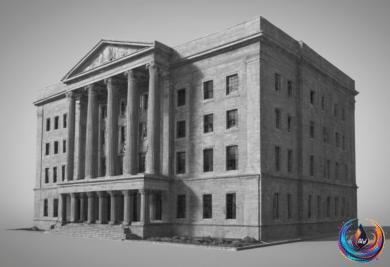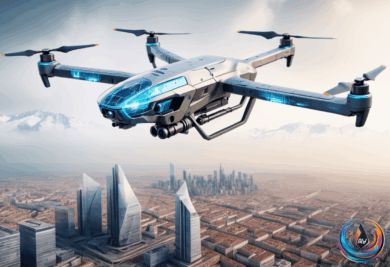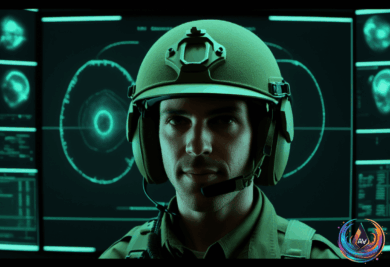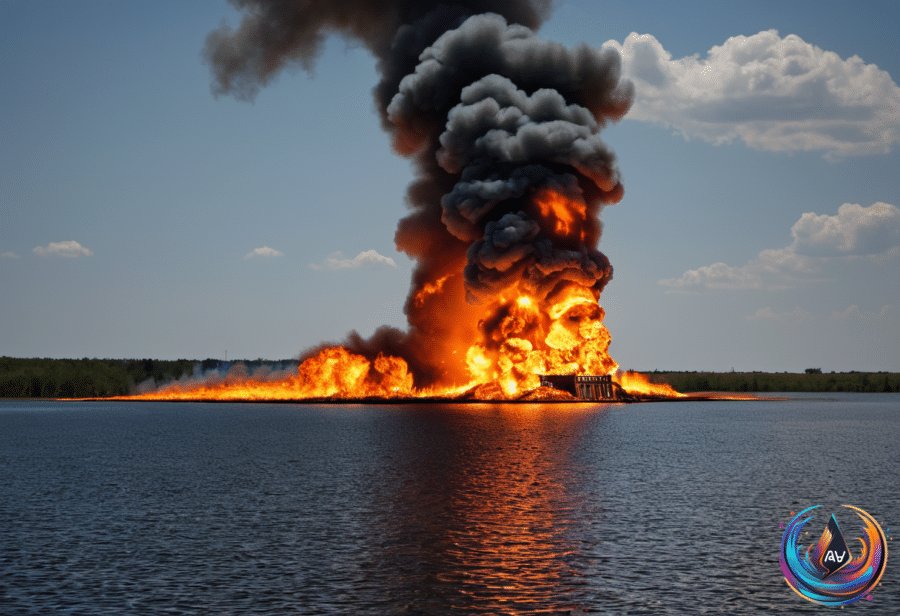
Facebook is hosting fake war footage. Accounts are using AI-generated videos to create military scenes, spread propaganda, and commit stolen valor without putting real events behind the imagery. The result is a stream of synthetic conflict presented with enough detail to invite belief.
An account called “America’s Honor” has more than 113,000 followers and began posting in July of 2026. It has published hundreds of posts, with view counts stretching from a few thousand to hundreds of thousands.
One Reel from the account shows an AI-generated American soldier making an emotional appeal about supporting veterans. The soldier says, “My mother won’t just lose a soldier — she’ll lose the boy she raised. If you still support our veterans, hit that follow button.” The Reel has hundreds of thousands of views.
Manufactured War Scenes With Real-World Locations
Another clip depicts a US soldier at the crossroads of Tehran and Karaj, with a fire burning in the distance. Other posts show US planes bombing Iranian infrastructure, with dams appearing as the main targets.
The posts add faux-location markers and timestamps to mimic legitimate war footage. These details do not make the scenes real, but they give synthetic images the familiar furniture of eyewitness reporting — a location, a moment, and a conflict that viewers can recognize.
America’s Honor also publishes AI-generated imagery of disabled veterans, prisoners of war, and active combat troops. The material pulls together several forms of military imagery, from battlefield scenes to personal appeals involving service members and veterans.
When Engagement Becomes False Evidence
Some comments under the posts suggest that viewers believe the AI-generated content depicts real events. That matters because the posts do not rely only on spectacle; they package invented scenes as evidence for people who may encounter them without any other context.
The account’s follower count and view totals give the material a wide audience. A post reaching hundreds of thousands of views can make a fabricated scene look established before anyone asks whether the footage came from a real battlefield.
Facebook is therefore allowing accounts to use AI-generated content in stolen valor themes and war-related propaganda. The platform is not merely carrying abstract images: it is carrying videos of supposed soldiers, bombing runs, fires, veterans, and prisoners of war, each framed to resemble an authentic record.
The appeal is easy to understand. Military imagery carries emotional weight, and a direct request to support veterans can turn that emotion into follows and views. Synthetic footage does not need to prove anything when it can borrow the authority of uniforms, combat zones, and timestamps.
That leaves viewers with a basic problem: a video can look like war footage without documenting a war event. America’s Honor demonstrates how AI-generated scenes can combine false locations, staged military imagery, and emotional language into content that travels as if it were real.
The article was published on October 4, 2026, by Joe Wilkins. Its central warning is plain enough: Facebook accounts can use generated war imagery to manufacture credibility, while audiences supply the attention that makes the fiction spread.
Based on