Your internet connection can feel like a quiet detail until the evening slowdown arrives, uploads drag, or a video call starts breaking apart. That is where the difference between fiber and cable becomes impossible to ignore: fiber can deliver faster speeds and stronger reliability, while cable reaches more homes and still provides enough speed for many households.
The right choice depends on what is available, how many people share the connection, and whether upload performance matters as much as downloads. Fiber has the technical advantage, but cable continues to win on availability and can offer fast service at prices that compete with fiber.
Two Networks, Two Ways to Move Data
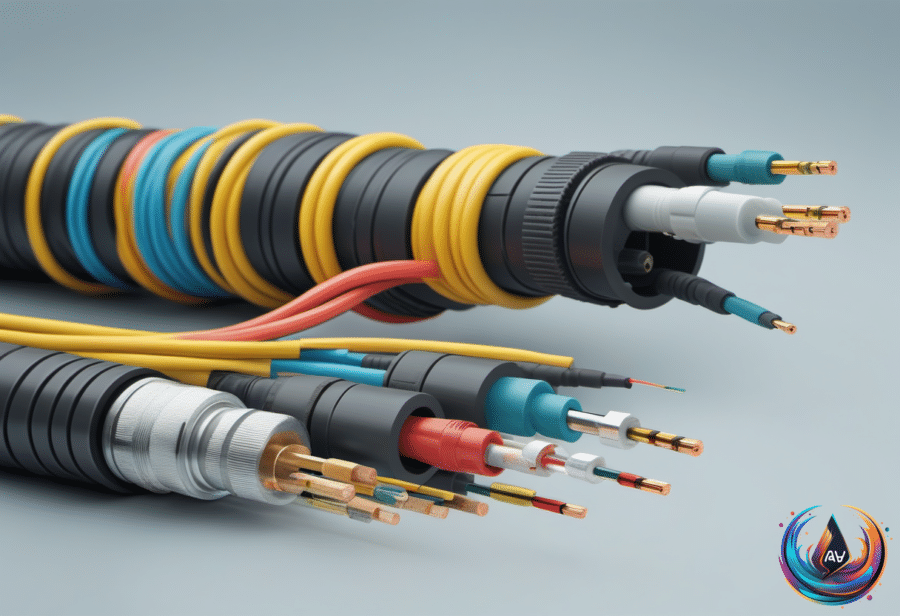
Fiber-optic internet sends information as light through thin strands of glass wrapped in protective layers of plastic. That design supports vastly higher bandwidth than cable, giving fiber room to deliver much faster connections and strong performance when demand rises.
Cable moves data through electricity. A coaxial cable uses a copper core surrounded by metal and plastic insulation layers, creating a network that can carry fast internet service but handles shared demand in a different way.
Many providers use a hybrid fiber-coaxial network. Fiber connects the neighborhood, then coaxial cables carry the connection to individual homes. These networks can provide download speeds of 1 Gbps or more, but their upload speeds are lower than their download speeds.
That difference matters during busy hours. Cable networks share bandwidth with neighboring households, which can lead to slower evening speeds when many people are online. Fiber connections do not face that same peak-usage weakness, making fiber more reliable when the neighborhood connection is under pressure.
Fiber Has the Speed and Upload Advantage
Fiber speeds can start around 100 Mbps, with entry-level offerings around 300 or 500 Mbps and plans that go much higher. Ziply Fiber offers plans from 2 Gbps up to 50 Gbps, putting fiber in a different performance class for homes that move large amounts of data.
Fiber is also symmetrical, meaning upload and download speeds are the same. That balance can matter for real-time uses, large uploads, and households that need to send as much data as they receive.
Cable can still cover everyday needs with ease. Hybrid fiber-coaxial service can reach 1 Gbps or more for downloads, and cable remains attractive when a household values availability, bundled services, or a lower starting price.
Connecting with Ethernet reduces interference and latency for real-time uses, giving either type of internet connection a direct wired path to compatible equipment.
Price and Availability Change the Decision
Fiber is not necessarily more expensive than cable. The final cost depends on ISP deals and upload speeds, so comparing the full plan matters more than comparing the technology label alone.
- Google Fiber offers 1 Gbps up and down for $70 a month.
- Google Fiber offers 3 Gbps for $100/month.
- Google Fiber offers 8 Gbps for $150/month.
- Xfinity offers 300 Mbps down for $45/month.
- Xfinity offers 500 Mbps down for $60/month.
- Xfinity offers 1 Gbps down for $70/month.
Prices for internet plans are locked in for five years with no contract required, then go up after the term. That detail can change the long-term value of a plan, especially when two choices look similar at the starting price.
Availability remains cable’s strongest advantage, even as fiber expands. The Fiber Broadband Association found that over 60 percent of American households had access to fiber connectivity as of September 2025, while 96.9 percent of Americans had access to a fixed broadband service at 100/20 Mbps.
Those figures show fiber is reaching more households, but access still depends on the specific location. A fiber plan cannot compete with cable if the fiber network does not serve the home.
Equipment, Bundles, and Backup Choices
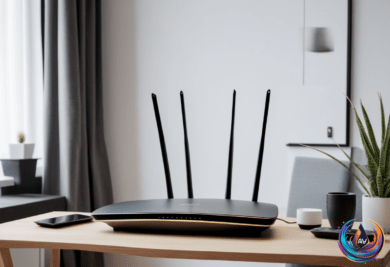
Cable plans require using the ISP’s all-in-one gateway or purchasing a modem and router separately. Fiber internet requires a dedicated Optical Network Terminal, or ONT, and many providers include the ONT with the plan.
Equipment needs can shape the setup experience, especially for households comparing monthly prices without checking what the service requires at home. Providers also often bundle TV services and phone lines with cable internet, adding another factor for customers who want multiple services from one provider.
Wireless 5G home internet offers another option when fiber and cable choices are limited, but it is usually slower and has higher latency. That makes the wired options more compelling for households that need steady performance.
The decision now comes down to a clear tradeoff. Fiber brings higher bandwidth, matching upload and download speeds, and stronger peak-hour reliability. Cable brings broader availability, fast downloads, and service bundles that can make the overall package attractive.
As fiber access expands beyond 60 percent of American households, the choice will keep shifting toward performance for homes that can get it. For everyone else, cable remains a capable connection, and the best plan is the one that matches the home’s needs, equipment, and available deals.