A license plate reader can turn an ordinary drive into a searchable record.
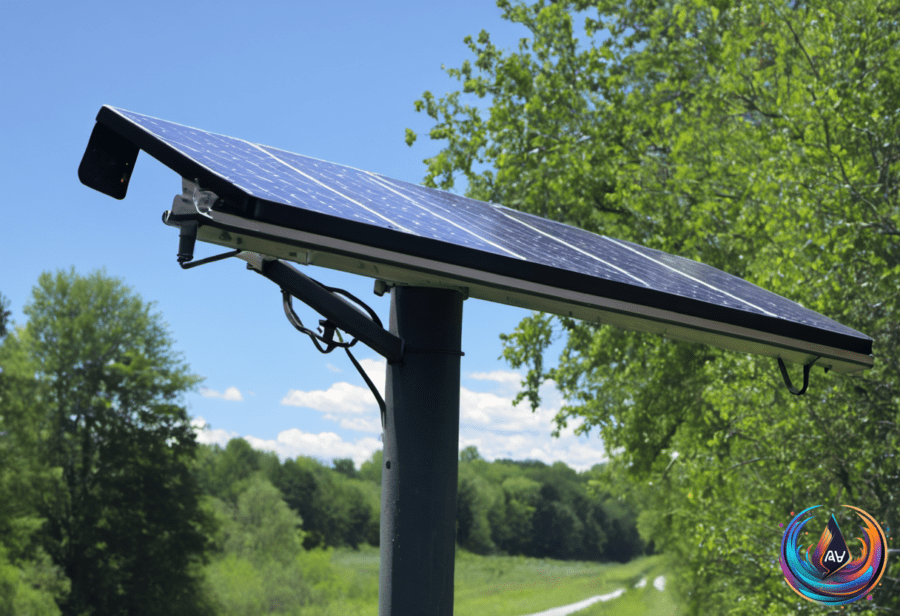
Flock, a surveillance equipment company, has built that system across the United States. Its solar-powered cameras read license plates and collect data as vehicles pass.
Flock Safety says it partners with more than 5,000 law enforcement agencies. Those agencies operate across 6,000 communities.
Nearly 100,000 Flock cameras now stand across 49 states. The cameras have spread for years. Backlash has grown in recent months.
The equipment can search for license plate numbers. It can also search by car make and model. Identifying features include bumper stickers and other vehicle details.
From roadside cameras to mobile surveillance
Flock also planned to move its cameras into private vehicles. The company drew up plans to use dashcams in Uber and Lyft drivers’ cars.
Those dashcams would scan plates on vehicles passing nearby. The plan also included delivery drivers. Flock aimed to turn those drivers into mobile surveillance vehicles.
The plan first became public last August. A presentation obtained by 404 Media showed Flock pitching the partnership to potential customers.
The presentation targeted the Georgia Office of the Attorney General. The proposed technology involved Nexar, an AI-powered dashcam company.
Flock says the partnership with Nexar never went through. The plan still shows the company’s direction. A fixed camera network was not the final boundary.
The plan involved 350,000 Uber, Lyft, and other delivery service devices. That number would have created a moving layer above the existing camera network.
Garrett Langley founded Flock. He said crime felt too easy to get away with. He built a license plate-reading camera in response.
That origin story sounds simple. The resulting system is not. It links vehicles with time, location, and identifying features.
Privacy concerns meet public resistance
Knox County Mayor Glenn Jacobs described the cameras as an active surveillance system. He said every passing car adds data to the system.
Jacobs said Flock creates a vehicle fingerprint. That fingerprint can include color, roof racks, bumper stickers, make, and model.
Flock’s network includes hundreds of thousands of devices. At least 50 police officers face accusations of using Flock cameras to stalk women.
The company also canceled a “human distress detection” pilot program. That program monitored public places for sounds of screaming.
Dozens of city councils have voted to reject or remove Flock cameras. Some cities have abandoned their use after cameras faced attacks nationwide.
A grassroots movement in the United States has vandalized Flock cameras over privacy concerns. The resistance now has a map.
DeFlock maintains a crowdsourced map of Flock cameras. The project tracks a network designed to track vehicles.
San Jose, California, has imposed limits on the system. The city restricts data storage to 30 days.
San Jose also limits camera locations. Cameras cannot sit outside certain facilities.
Those rules offer a narrow answer to a broad problem. The cameras collect data first. Public rules decide what happens next.
A system spreading one camera at a time
Flock cameras are appearing in Texas. They capture license plates, vehicle descriptions, time, and location.
They do not record personal information, according to the facts reported about the Texas deployments. That distinction does not erase the trail tied to a vehicle.
In Commerce City, Colorado, a Flock camera sits on a pole beneath a solar panel. The setup looks ordinary. Its search function is not.
A Flock camera appeared in Beverly Hills on August 3, 2026. Articles about Texas and Colorado followed on August 6 and August 9.
The story was published August 10, 2026. By then, the central question was no longer whether Flock could expand.
The question was how much public movement communities will allow companies and police agencies to record. Roads remain public. The records now follow the cars.
Based on
- Flock’s Secret Surveillance Plan Will Make You Gasp — futurism.com
- Flock camera map: How many are in your neighborhood? — thehill.com
- Flock cameras spark critics and vandals. What’s going on? — usatoday.com
- Flock cameras are popping up everywhere in Texas. What are they? — usatoday.com
- Angers mounts in U.S. over vast network of car license plate cams – The Japan Times — japantimes.co.jp