









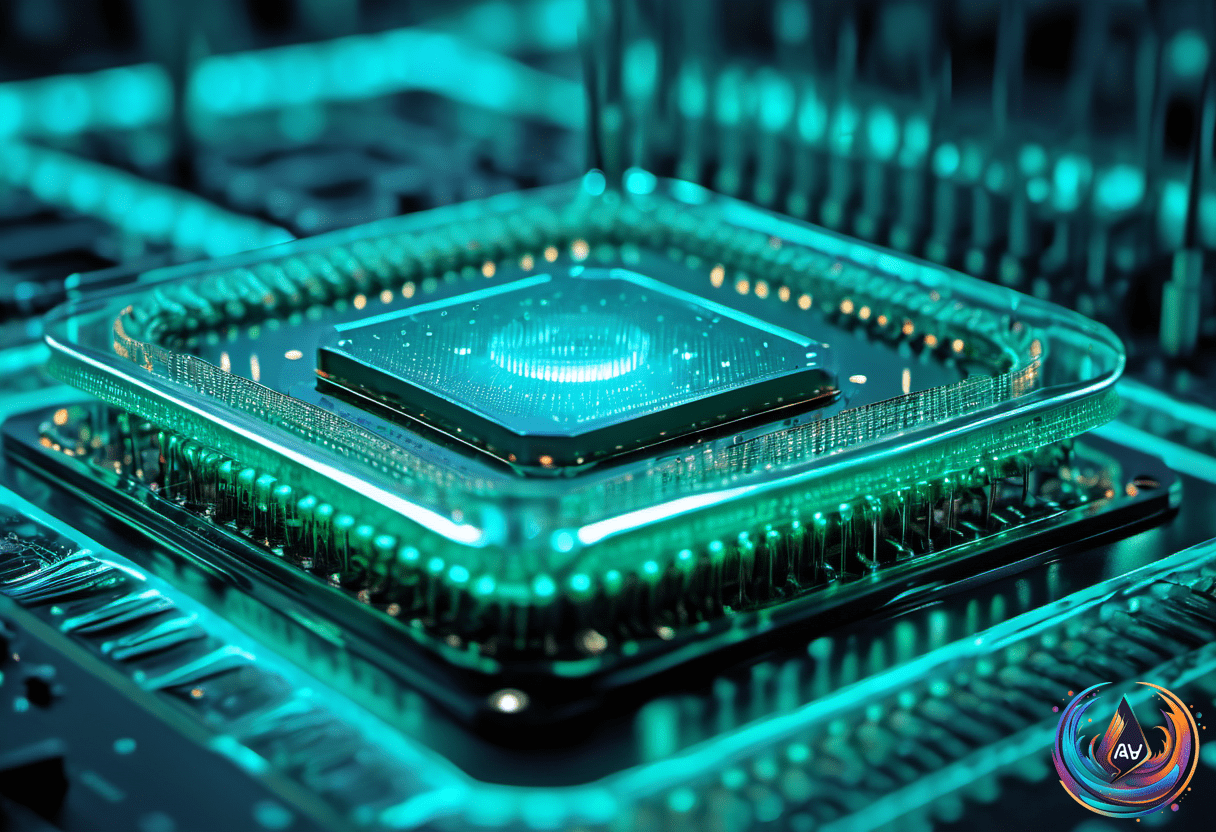
How Taiwan’s Semiconductors Shape Global Power Dynamics
 8
8Taiwan’s semiconductor industry is a key player in the world’s economy. The chips produced there are essential for smartphones, electric vehicles, and artificial intelligence. As Taiwan dominates chip manufacturing, it becomes a focal point in global geopolitics, especially between China and the US. Any disruption in Taiwan’s chip supply could have worldwide economic consequences.
The Importance of Taiwan in Global Chip Supply
TSMC, Taiwan Semiconductor Manufacturing Company, makes about 90% of the world’s most advanced chips. These chips are crucial for many industries, especially for training AI models and powering high-tech devices. Because TSMC’s production is so vital, the entire global tech industry depends heavily on Taiwan’s stability.
Disruptions to Taiwan’s chip exports, even without an invasion, could cause chaos across multiple sectors. A sustained interruption would ripple through supply chains, affecting everything from consumer electronics to military technology. This makes Taiwan a critical yet fragile link in global economic health.
The Geopolitical Stakes and the Silicon Shield
Many see Taiwan as a shield for global technology, known as the “Silicon Shield.” This idea suggests that China’s dependence on Taiwanese chips creates a deterrent against invasion. Both Washington and Beijing want TSMC to keep operating smoothly, which adds some stability.
However, the Silicon Shield isn’t foolproof. China has ways to block Taiwan’s exports without invading, such as controlling shipping or inspecting ships leaving ports. The US has also attempted to restrict China’s access to advanced chips through export controls, but enforcement can be tricky due to chip transshipment through third countries. So, while the shield helps, it isn’t enough to prevent all risks.
Ultimately, the biggest threat isn’t just war but a crisis that could start without firing a shot. China could apply pressure in ways that damage Taiwan’s economy or cut off its chip supply, forcing the US and others to respond in ways that could harm the global economy.
What Could Happen and Why It Matters
If China tried to seize Taiwan’s chip factories directly, the likely outcome would be sabotage or destruction of the facilities. TSMC has said that its fabs would become inoperable if attacked. Even if the factories survived, they depend on highly specialized equipment and skilled workers from around the world, many of whom would resist Chinese control.
There’s also the risk of China gaining indirect control over Taiwan’s chip industry. This could involve economic coercion or cyber tactics that weaken Taiwan’s role without full invasion. Such moves could still disrupt chip production significantly, affecting global markets and technological progress.
In the end, Taiwan’s chips are a critical piece of the global puzzle. Their importance means that any conflict or disruption could have far-reaching consequences, making this one of the most dangerous geopolitical flashpoints today. It’s a situation that requires careful diplomacy and strategic planning to avoid catastrophe.














What do you think?
It is nice to know your opinion. Leave a comment.