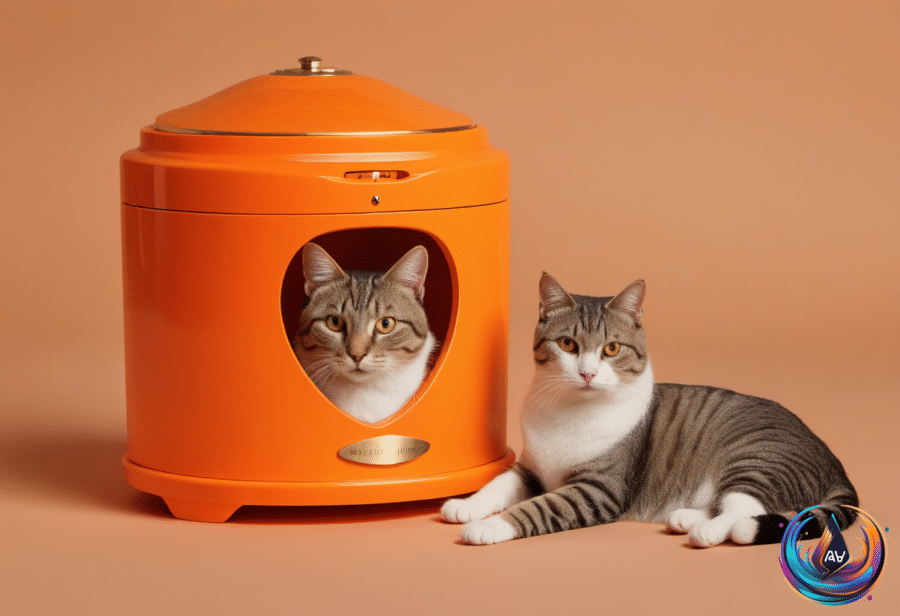
An Instagram ad for a pet incinerator has turned an ordinary scroll into a disturbing look at automated advertising. The ad showed a cutesy AI-generated cat and dog beside a bright-orange combustion device, leaving users to ask how such a product reached their feeds.
The surprise did not stop with one strange image. A search of Meta’s ad database pulled up several listings for pet incinerators promoted across Facebook, Instagram, and Threads, while similar devices appeared for sale on AliExpress and Alibaba.
A Cute Advertisement With a Grim Product Behind It
The Instagram ad paired playful pet imagery with equipment designed for combustion. That contrast created the reaction: a friendly-looking AI-generated cat and dog stood next to a machine associated with the disposal of deceased animals.
One Redditor described the moment of understanding this way: “I took me a while to realize this is for cremating deceased pets and my mind went to a more ‘bad dogs get put in the pet incinerator’ situation.” The darkly humorous tone spread through user reactions, with many people joking about whether the machine would do brisket.
Behind the odd presentation sits a real business use. Pet incinerators can help businesses such as veterinary clinics safely dispose of deceased animals. The concern comes from how these products were presented, including AI-generated images showing pets inside similar incinerators or set up inside a residential living room.
Those images appeared in listings on AliExpress and Alibaba, which showed similar products in settings that made the machines look disconnected from their intended business use. AliExpress also sold a device with a photo matching the Instagram ad, using a keyword-stuffed title.
Meta’s Ad Database Shows More Listings
Meta’s ad database includes a current listing for a “Pet Animal Cremation Machine” advertised by Alibaba on Facebook, Instagram, and Threads. The database also shows another Alibaba listing for a “Smokeless Domestic Rubbish Incinerator for Hotel Small Pet Incinerator,” promoted from May until August of this year on those same platforms.
A separate listing from late last month used an even longer product name: “Full Combustion Pet Hospital Use Smokeless Dog & Cat Incinerator Cremator Oven.” Together, the listings show that the Instagram ad was not an isolated product page with no presence elsewhere.
Meta ads can appear differently for different users because of dynamic product use. That means one person can encounter a product promotion that another person never sees, making unusual ads harder to understand from a single user’s experience.
The database listings also connect the ads to Alibaba, the sister site of AliExpress. One platform showed the product for sale, while the other promoted similar listings across Meta’s services, creating a chain that carried the same unsettling product category through shopping and social media systems.
Why The AI Images Made The Ad More Disturbing
The use of AI-generated pet images added another layer to the controversy. Instead of showing only a machine, listings displayed pets inside similar incinerators or placed the equipment inside a residential living room, images that made the products feel stranger and less tied to veterinary use.
Meta has had issues controlling grotesque ads and AI content on its platforms. This case brings both problems together: a product with a legitimate use appeared beside cute synthetic animals, while related listings used images that users found disturbing.
The reaction also gained force from another fact included in the broader conversation around body-disposal equipment. Prosecutors accused singer David “D4vd” Burke of ordering tools including chainsaws, cadaver bags, shovels, and a “burn cage” from Amazon and Home Depot to dispose of a murder victim’s body.
That accusation does not change the stated veterinary purpose of pet incinerators, but it helps explain why users reacted so strongly to a cremation device appearing in a playful social-media ad. The product category carries a grim meaning, and the surrounding images pushed that meaning into public view.
The biggest question is not whether veterinary clinics can use such equipment. They can. The question is how advertising systems decide which products deserve promotion, what images those systems permit, and whether AI-generated material makes disturbing listings harder to catch before users see them.
When Automated Advertising Loses The Plot
Online advertising depends on matching products, images, and audiences at scale. Meta’s dynamic product use can place different ads in front of different users, while marketplace listings can recycle the same device photo across platforms. When those systems meet AI-generated images, a product can acquire a presentation that feels detached from its real purpose.
That mismatch is what made the Instagram ad so striking. The image invited attention through a cutesy cat and dog, but the bright-orange device carried a completely different meaning. Users supplied the missing context through jokes, confusion, and alarm.
The listings also show why AI content moderation cannot focus only on text. Product titles, photographs, and placement all shape how an advertisement lands. A keyword-stuffed title may identify the machine, but an image of pets inside it can transform the entire message.
Meta now faces a clear test in this episode: control ads that users experience as grotesque without blocking legitimate products used by veterinary clinics. Alibaba and AliExpress listings add another layer, because the same or similar devices can move between e-commerce pages and social-media promotions.
For users, the result is an advertisement that feels both absurd and revealing. It exposes how AI-generated visuals, dynamic ad delivery, and marketplace listings can combine into a promotion that sparks jokes first and questions about platform control immediately after.
The pet incinerator ad may fade from feeds, but the issue it exposed will remain. As Meta’s systems continue placing products into personalized timelines, the line between a permitted advertisement and a deeply unsettling one will depend on the images, context, and judgment built into those systems.