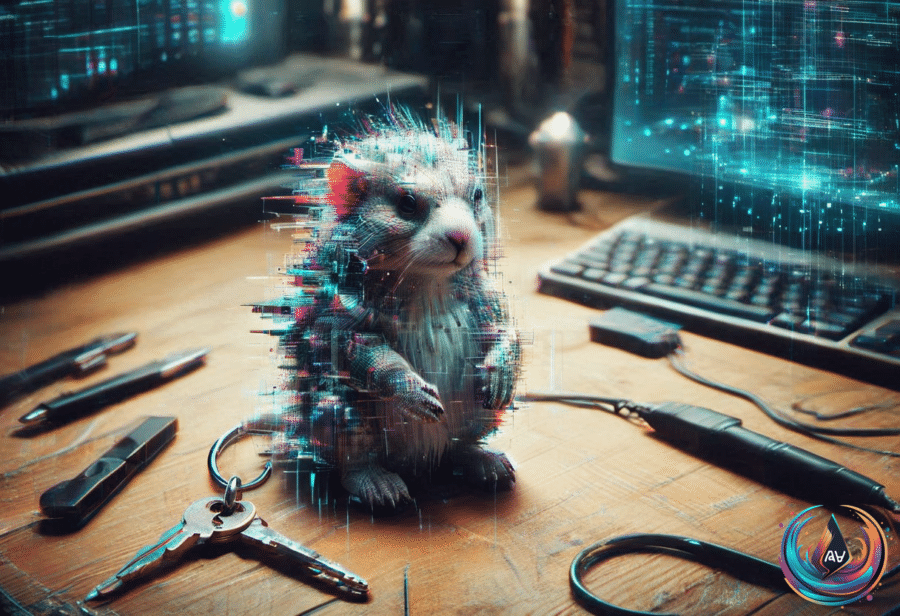
Muse looks like a toy. Meta’s new AI agent targets adults aged 18 and over, yet its mascot Jolly is cuddly, Labubu-like, and unmistakably kawaii-coded. The contrast is the product’s central tension: a digital assistant for completing tasks dressed as a character that could sit comfortably in a child’s bedroom.
Meta designed Muse to feel less awkward than chatting with a corporate logo or an unnamed digital entity. Users can dress the assistant, interact with its personality, and create an avatar with a unique style. “People want to be able to create their own avatar with personality and unique style, because it’s fun and brings them joy,” Meta spokesperson Daniel Roberts said.
The approach taps into the “kidult” market, where adult consumers buy products built around nostalgia, collectibles, and childhood aesthetics. Meta’s mascot was shown at the Meta Connect event with CEO Mark Zuckerberg’s furry Muse wearing a toga and laurel wreath — because apparently even artificial intelligence needs a costume change.
Meta unveiled the Muse Charm, a Tamagotchi-like keychain that lets users summon the agent with a tap. The device features avatars of the fluffy Muse mascot, and Meta plans to sell a Tamagotchi-style device for a Muse character later in 2026.
The toy-like design is part of the pitch
The mascot’s appearance is not accidental decoration. Meta says the design is meant to feel delightful and less intimidating, while the character gives an AI tool a more approachable identity. Muse represents a broader trend in which AI assistants revolve around anthropomorphized characters rather than presenting themselves as plain software.
That strategy has a clear appeal. Julian De Freitas, an associate professor of marketing at Harvard, said, “These types of cute factors can make the product seem warm and less threatening.” Muse can help with digital tasks, but the cuddly creature may make those interactions feel more like play than software use.
Youth advocates see the same design from another angle. Josh Golin, executive director at Fairplay, reacted to the mascot by saying, “Oh my God, it looks like a Teletubby.” His concern is straightforward: Muse looks like a character that would appeal to very young children, even though Meta restricts the product to people 18 and over.
Meta requires everyone using the Muse app to provide a date of birth, blocks people it detects may be under 18 from creating an account, and performs additional checks to help ensure people who claim to be adults are over 18. The age barrier is clear on paper, but the visual language points in the opposite direction.
Privacy questions sit beneath the fluff
Muse interactions carry a separate concern because Meta trains its AI models on user interactions unless users opt out. A cuddly character can make an AI system feel disarming, and that comfort may reduce the questions users ask about what happens to their data.
Jathan Sadowski described the risk in blunt terms: “Design features like being cute and frictionless, or tapping into nostalgia for devices that didn’t constantly surveil and intervene in our lives, are sly ways to make people drop their guard, stop asking critical questions, and slip into being passive users.” The mascot is friendly; the data policy still needs attention.
Meta plans to release a confidential version of its virtual machine later in 2026 that helps power Muse. The system could cryptographically and verifiably prevent Meta from accessing user data, but that protection remains tied to a future release rather than the product’s current pitch.
The timing adds another layer to the debate. In August 2026, Meta settled claims regarding social media addiction, agreeing to add restrictive features for teens on Instagram and Facebook and pay out up to $16.7 billion. Muse is adults-only, but its childlike design lands inside a company still dealing with concerns about how its products affect younger users.
The market has rewarded the launch so far: Meta shares have increased more than 25% since Muse launched earlier in September 2026. That does not settle the design or privacy questions, but it shows that investors see value in turning AI assistance into a character people may want to keep nearby.
Muse’s appeal is easy to understand. It offers task help, personality, clothing, avatars, and a physical keychain, all wrapped in a mascot designed to feel warm across ages. The harder question is whether making AI feel harmless helps people use it with more confidence — or with less caution.
Based on