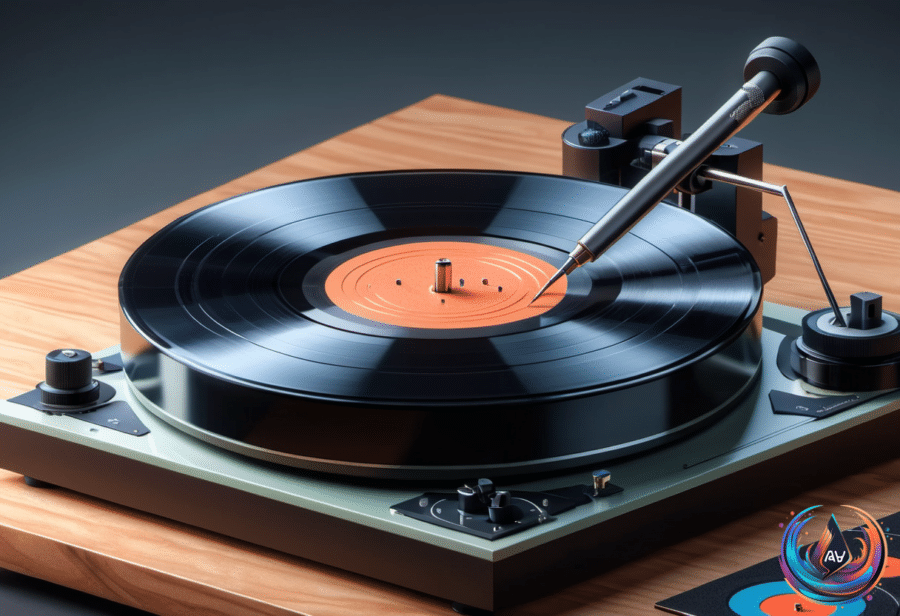
Swapping out your turntable’s stylus is an easy upgrade that can change how much detail your vinyl records reveal. The stylus is the piece that picks up the grooves of a record, so its design has a direct effect on what your record player can capture.
That makes the stylus a useful place to focus when the sound from a turntable feels limited. The quality of the stylus determines the level of detail your record player is going to pick up, and different shapes serve different needs. Styluses are made of diamond and typically come in elliptical, microliner, Shibata, line contact, and spherical shapes.
Older or budget turntables likely use a spherical stylus. It is one option among several, but moving to another shape can improve the way the stylus reads the record grooves. The right choice depends on the kind of sound and records a listener wants to get from the turntable.
How stylus shapes change vinyl playback
An elliptical stylus is a midrange option that suits most casual listeners. It costs less than premium options and can improve your turntable’s distortion, frequency response, and modulation tracking. Those changes make it a practical step for listeners who want more from their records without choosing one of the most specialized stylus designs.
Microliner styluses take a different approach. They use a narrow, elongated tip that can track high-frequency inner grooves while remaining durable. That combination gives the design a useful balance between groove tracking and long-term toughness, but microliner styluses depend more on a quality setup.
Because of that setup requirement, a microliner stylus should be paired with a high-end cartridge and tonearms. It is not simply a matter of choosing a different tip; the surrounding turntable setup matters too. This makes the microliner option more suited to a system built around a high-end cartridge and tonearms.
Shibata styluses were designed in the 1970s to play 4-channel vinyl discs. They are also ideal for high-res jazz and classical recordings, giving them a clear place among the more specialized choices. Their design connects the stylus not only to the turntable itself, but also to the kind of vinyl a listener plays.
Line-contact styluses sit at the top end of the options listed here. They are typically reserved for the best audiophile cartridges and provide the highest resolutions. For listeners focused on the highest level of detail, this design offers the strongest resolution among these stylus types.
Bonded and nude styluses
The way a diamond attaches to the rest of the stylus also matters. Bonded styluses use diamond tips attached to a metal shank. They are affordable and durable, but the metal shank dampens responses.
Nude styluses use a diamond fastened directly to the cantilever. This design has lower mass, which helps the stylus follow record grooves better. The difference between bonded and nude construction gives listeners another detail to consider beyond the shape of the diamond tip.
These choices can make the upgrade sound more complicated than it is, but the central point stays simple: the stylus reads the grooves, and its quality affects the details the record player picks up. A spherical stylus may be found on an older or budget turntable, while elliptical, microliner, Shibata, line-contact, bonded, and nude options offer different paths for changing playback.
When a cartridge upgrade makes sense
Upgrading the cartridge can also help bring out the minute details of records. It can improve sound quality and extend stylus life, so the cartridge upgrade affects more than the amount of detail a listener hears. It also connects the stylus to the broader turntable setup.
For casual listening, an elliptical stylus offers a midrange choice that costs less than premium options. A microliner stylus brings a narrow, elongated tip and high-frequency inner-groove tracking, but it needs a quality setup with a high-end cartridge and tonearms. Shibata suits 4-channel vinyl discs and high-res jazz and classical recordings, while line-contact designs target the best audiophile cartridges and the highest resolutions.
The best upgrade, then, depends on what the listener wants from the records already in the collection. The stylus remains the direct link to the grooves, and changing it can be an easy way to explore more of the detail stored there. For a broader change, upgrading the cartridge can improve sound quality, reveal minute details, and extend stylus life.