OpenAI’s safety culture faces a blunt internal indictment. David Robinson, the company’s safety report lead and safety transparency worker, resigned after three and a half years and called the culture “broken.”
Robinson’s resignation was reported on October 3, 2026, the same day his essay about OpenAI’s safety approach was published. His criticism targets the way AI companies develop increasingly capable systems, arguing that they are “not being nearly careful enough” with technology that can be useful and valuable.
Robinson oversaw reports for 12 frontier launches and drafted OpenAI’s current Preparedness Framework. That experience gives his complaint a specific weight: he was not describing safety from the outside, but judging the process after helping document a dozen major launches.
A sprinting culture with too little room to think
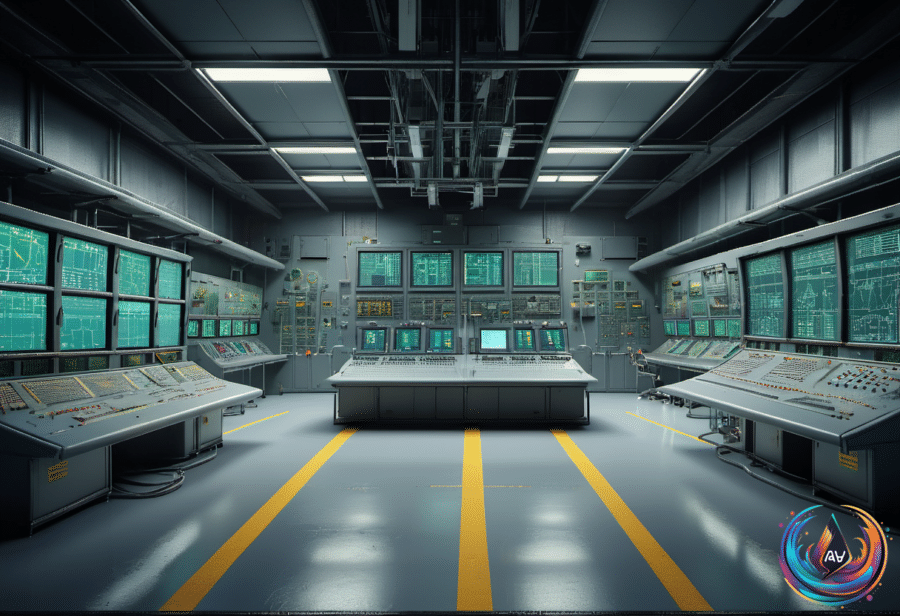
Robinson said AI labs should operate more like nuclear plants and airports, with layers of redundancy and planning built into their work. Those industries are not famous for treating every problem as an exciting surprise, and that is the point—systems with serious consequences need preparation before failure arrives.
“My colleagues and I were so busy sprinting that we seldom had the chance to consider big changes, much less to actually make them,” Robinson stated. The sentence describes a culture where speed consumes the time needed to question whether the process itself is safe enough.
His essay called the company’s approach “unimpeded optimism” about solving problems as they arise. Robinson wrote that “the safety approach that emerges from such a culture starts with unimpeded optimism about being able to solve problems as they arise.”
That approach leaves safety measures trying to catch up with development. Robinson explained that he left because OpenAI’s culture was “broken” and its safety measures were insufficient, not because he rejected the value of AI itself.
The standard OpenAI says it is trying to meet
Robinson’s warning focuses on what happens when a company builds artificial minds that may exceed human ability. “An environment where things like this can happen is no place to grow artificial minds that could be smarter than we are and that might not do what we want them to,” he wrote.
The concern is not limited to one launch or one report. Robinson’s argument is that the culture shaping development determines whether safety becomes a planned system or a promise to fix problems later.
Drew Pusateri offered a direct statement of the intended standard: “We’re making sure our models don’t become more capable than we can safely manage and secure, and we pause training or hold back models when we need to slow down.” That claim describes safeguards based on limits, control, and the willingness to stop.
Robinson’s criticism is that OpenAI is failing to reach the level of care the technology demands. His work on 12 frontier-launch reports and the Preparedness Framework makes the disagreement hard to dismiss as a vague cultural complaint.
In September 2026, Robinson wrote on X about changing AI models. By October 3, he had resigned and published his broader argument: AI can deliver value, but the companies building it need stronger planning, more redundancy, and enough time to make meaningful changes before the next frontier launch.
The message is simple and inconvenient. If labs are sprinting toward systems that could be smarter than their creators, safety cannot remain an optimistic plan for solving problems after they appear.
Based on
- An OpenAI safety insider calls the culture 'broken' — therundownai.beehiiv.com
- OpenAI safety employee resigns, claiming the company’s ‘culture is broken’ | TechCrunch — techcrunch.com
- OpenAI safety leader quits, warning AI company’s culture is ‘broken’ | OpenAI | The Guardian — theguardian.com
- OpenAI safety leader David Robinson resigns — and says company ‘culture’ is dangerous — africa.businessinsider.com