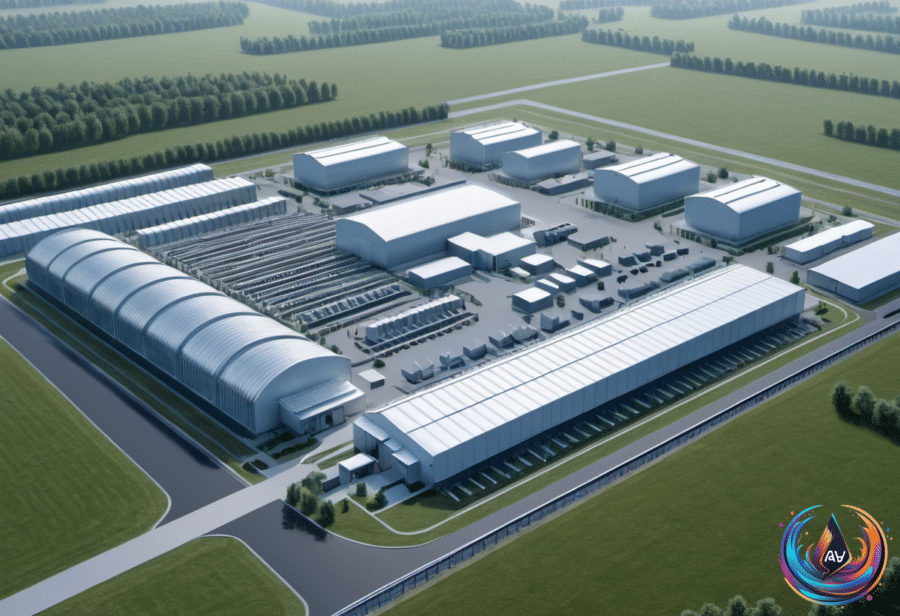
OpenAI is trying to answer a blunt message from voters: data centers cannot expand without protecting the communities that host them. After the 2026 midterms, the company published new commitments covering electricity, water, construction plans, local jobs, and public transparency.
The package includes a National Community Compact and a Compute Campus Policy Blueprint. Together, they describe what people should expect from OpenAI’s future company-owned and -operated data centers, while urging policymakers to turn similar promises into law.
The timing matters. Americans voted against rapid data center expansion in the midterms, with restrictions or rejected pro-development measures winning across local ballot contests. Different tallies put the result at 39 measures, 40 measures, and 41 local measures across 10 states. Another tally described the result as 43-1, with an average of 75% of voters favoring restrictions.
OpenAI promises to cover the full power bill
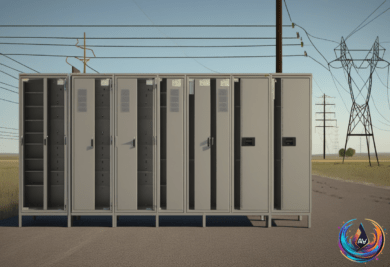
OpenAI says it will pay the full cost of the electricity its facilities use, along with the infrastructure buildouts and upgrades that power providers need to serve them. That promise targets one of the biggest fears surrounding artificial intelligence construction: residents and local businesses could end up paying for new substations, transmission lines, and power capacity through higher electricity bills.
The company also says it will protect ratepayers and keep data center operations from affecting the electricity costs of nearby communities. Its commitments call for published construction plans and community input before projects move forward, giving residents a clearer view of what is being built and how it may affect local services.
OpenAI is also proposing a Grid Protectors Program at an upcoming data center in Effingham County, Georgia. Under the plan, the company promises to free up to 1,000 megawatts of power during extreme weather or emergencies, enough to power air conditioners in around 700,000 homes.
The company says its facilities can help reduce customer costs by operating year-round. OpenAI’s announcement explained that electricity demand rises and falls with the seasons, while its compute campuses need power throughout the year. With the right agreements, the company says steady demand can spread fixed grid costs across more electricity sales, while flexible operations can cut demand when the system is under strain.
OpenAI says it will keep working with policymakers and utility services on “arrangements for our future campus to reduce electricity demand when the grid is under strain.” The goal is to make large computing facilities part of the grid’s planning instead of treating them as a cost that communities must absorb.
Water use, secrecy, and local benefits move into focus
Water is another central part of the new plan. OpenAI says it will create a water plan for each community where it builds and prioritize closed-loop or low-water cooling. In a closed-loop system, water moves through a sealed circuit to absorb and remove heat without being consumed, so the system does not need regular replenishment.
That choice involves a tradeoff. Closed-loop liquid cooling keeps water use low inside many modern artificial intelligence data centers, but external cooling can require large amounts of power or water in hot climates. OpenAI’s promise to publish water and electricity use for each site is meant to give communities a way to track that balance.
The company also says it will not sign non-disclosure agreements with public officials. That commitment responds to concerns about secret deals and closed-door negotiations, which have become part of the backlash against data center construction.
OpenAI promises to create jobs for local workers and businesses, and its blueprint includes commitments worth tens of millions of dollars for free school lunches, parks, first responders, and other community priorities. The wider industry is also offering local benefits: Amazon allocated $1 billion for data center communities over five years, while Microsoft has its “Datacenter Community Pledge.” Meta, Google, and Anthropic have outlined similar commitments.
A policy reset after the midterm backlash
OpenAI Chief Global Affairs Officer Chris Lehane said the company had worked on the updates for months and planned them before the election results. During a Wednesday briefing, he said, “What we’re doing with this blueprint is really laying out the best lessons that we have learned and committing to applying them as they go forward.” He added, “This will help ensure that there is a very high floor in terms of how people move forward.”
Lehane compared the shift to the 1996 election and said, “A lot happens in two years.” In another interview, he said, “Smart, talented folks take messages from voters and react and respond to them.” He also said gaining support would require “really making clear that these can be long-term, durable, economically transformative projects for communities.”
That support will be hard to win. The AI industry is trying to repackage a $10 trillion infrastructure buildout after voters rejected unchecked growth. Calling facilities “compute campuses” was viewed by some policymakers and consumer advocates as a gimmick, though Lehane said the name change was meant to “provoke that conversation.”
OpenAI’s expansion plans include its Georgia facility and “Stargate” data centers being built with Oracle and SoftBank in Shackelford County, Texas; Doña Ana County, New Mexico; and Milam County, Texas. Analysts say about 60% of planned 2028 capacity across the United States faces a risk of delay, even though construction is expected to slow rather than stop.
The political fight now turns on whether promises become enforceable rules. Candidates who won in emerging data center states favor restrictions, and in Texas, a new Democratic governor has promised to keep a moratorium in place until the legislature passes comprehensive reforms. A report from Sen. Elizabeth Warren found that major technology companies were not covering the full infrastructure costs of their data centers while continuing to seek billions of dollars in tax breaks and use non-disclosure agreements.
OpenAI’s blueprint asks policymakers to enact similar commitments as laws. That may be the real test: whether communities accept voluntary pledges, or demand binding protections before the next wave of data centers arrives.
Based on
- OpenAI says it will protect local resources and report on the impact of its data centers — engadget.com
- OpenAI releases new data center policy proposal after election rebuke — cnbc.com
- OpenAI pitches data center power plants as a way to protect nearby areas | The Verge — theverge.com
- Big Tech turns to cash, concessions to offer new AI deal after smackdown — axios.com
- The less water data centers use, the more power they consume. Here’s why. — cnbc.com