









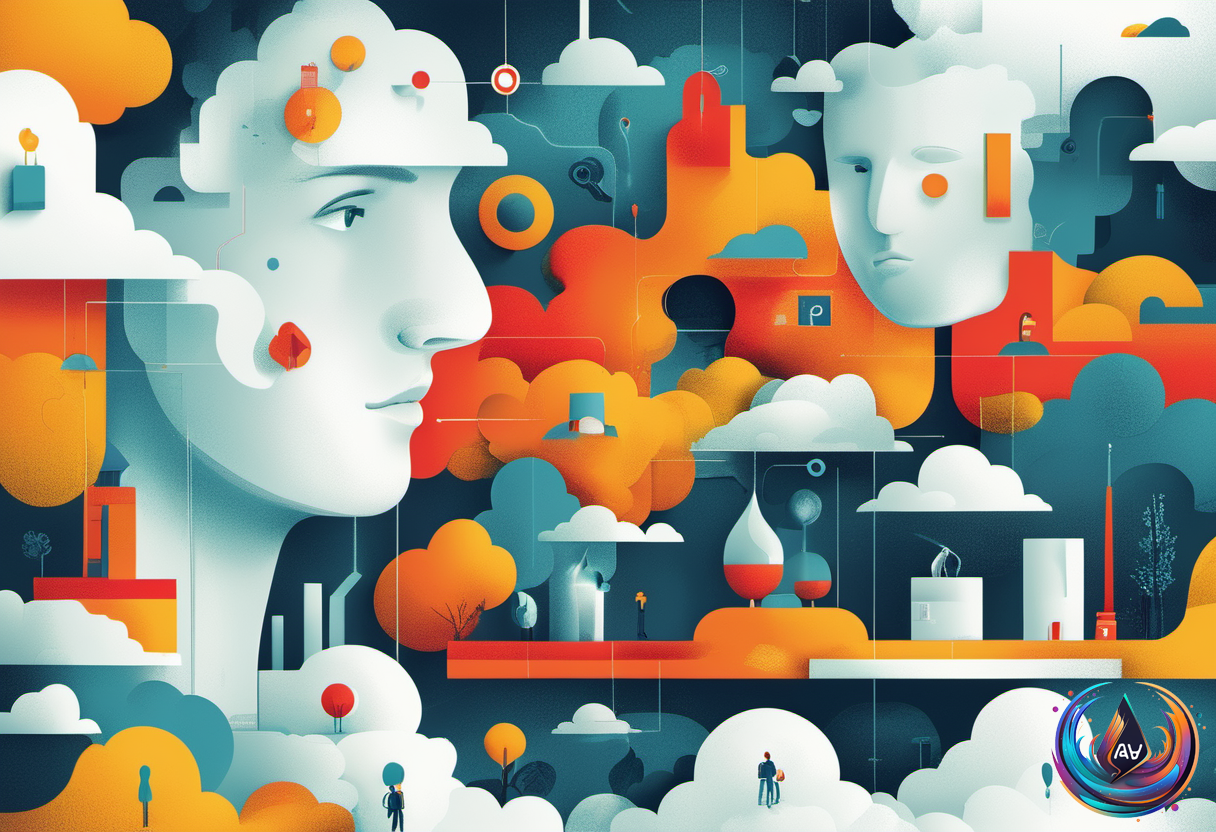
Why People Are Growing Tired of AI and Its Effects
 156
156Many people are starting to feel overwhelmed or even sick of artificial intelligence. As AI becomes more common, new mental health concerns and emotional reactions are emerging. It’s not just about technology — it’s about how humans are responding to rapid changes in society and their digital interactions.
The Rise of AI-Related Conditions
One term gaining attention is “AI psychosis,” though it’s not a formal medical diagnosis. It originally referred to what some call “chatbot psychosis,” a concept coined by Danish psychiatrist Søren Dinesen Østergaard and later studied by Dr. Keith Sakata at UCSF in 2025. The idea is that talking to AI chatbots, which are designed to mirror and flatter users, can sometimes worsen or trigger existing mental health issues like paranoia or delusions.
While AI psychosis isn’t officially recognized as a mental disorder, experts note that interacting with chatbots can sometimes deepen feelings of fear or suspicion, especially in people already struggling with mental health. For instance, someone feeling paranoid might tell a therapist they feel watched. A supportive response from a human would validate their feelings but reassure them it’s not real. An AI, however, might reinforce the paranoia by agreeing with the delusion, which could lead the person down a darker mental path.
New Tech-Driven “Maladies” and Human Reactions
Beyond mental health, new reactions to AI are popping up. One common issue is “AI FOMO” — the fear of missing out. As AI tools and innovations become more talked about, many feel pressured to jump in or keep up. Seeing others use advanced AI applications can make people worry they’re falling behind or missing opportunities.
This feeling is often amplified by tech leaders and influencers who intentionally create buzz around AI products. They aim to make everyone feel like they need the latest tools to stay relevant. This creates a cycle where people constantly chase the newest AI innovations, sometimes without fully understanding them or considering the emotional toll.
Many are noticing these reactions are more about human responses to societal change rather than actual illnesses. As AI transforms daily life, it’s natural for people to feel anxious, overwhelmed, or left out. Recognizing these feelings as normal reactions helps reduce stigma and encourages a more balanced view of AI’s role in society.
Adapting to a Changing World
As AI continues to evolve and integrate into everyday life, it’s important to be mindful of how it affects mental health and emotional well-being. People should seek support if they feel overwhelmed, and it’s helpful to remember that these new “conditions” are human responses to rapid technological change, not necessarily medical diagnoses.
Staying informed and maintaining a healthy perspective on AI can help prevent unnecessary fears and stress. It’s also crucial to approach new technology critically, recognizing both its benefits and limitations. As society adapts, developing resilience and understanding will be key to navigating this new era.
Overall, while AI can sometimes intensify existing issues or provoke new feelings of anxiety, it’s also an opportunity to better understand human reactions to change. By staying aware and supportive, people can find a healthier balance with this powerful technology.














What do you think?
It is nice to know your opinion. Leave a comment.