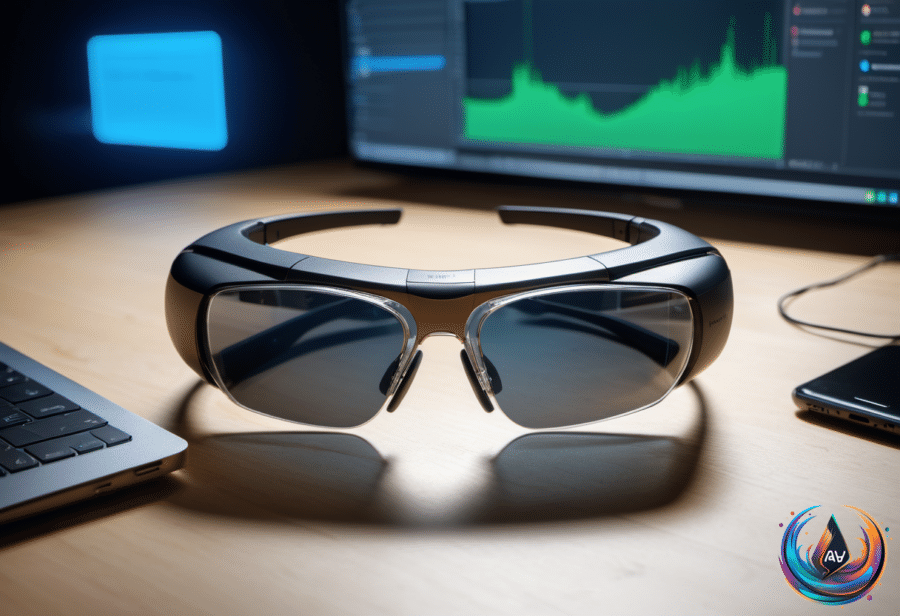
Smart glasses are still negotiating with reality. Meta’s third-generation Ray-Ban glasses improve on Gen 2, but the gains feel measured against a $449 starting price and a 7.3 / 10 rating. The result is a polished product that still looks like an expensive bridge between ordinary eyewear and the future everyone keeps announcing.
Meta introduced the latest Ray-Ban model alongside its audio-only glasses, first VR glasses and updated cheaper Meta-branded frames. That crowded launch made Gen 3 seem like an afterthought, even though these remain the company’s most premium smart glasses without a display.
The design changes are cosmetic more than transformative. Gen 3 comes in three frame styles: a slimmer Wayfarer, the new cat-eye Zena and Aviator, which Meta describes as a tribute to the classic Ray-Ban design. Each style has multiple frame colors, including semi-transparent options that reveal some of the inner components.
The Zena and Aviator frames start at an eye-watering $529, while non-Wayfarer styles carry an $80 premium. A Havana brown tortoiseshell Aviator pair looks the part, but fit is another matter: the glasses slipped down the nose often enough to inspire thoughts of aftermarket silicone tips.
The tips are adjustable, but not by the wearer. Ray-Ban Meta frames require an optician or a Meta store for adjustments, unlike some other Meta Glasses that allow DIY changes. Paying premium eyewear prices and then needing a professional fitting is a charming reminder that smart glasses still inherit the annoyances of regular glasses.
The more useful hardware change is the action button, already seen on other recent Meta glasses. It works as a customizable shortcut that triggers an action without a voice command; setting it to “read my latest text message,” is a practical choice.
Meta lists two upgrades over Gen 2: better battery life and an extra microphone. The frames last up to 9 hours on a charge, while the case adds 50 hours, though use determines the real result. Continuous audio playback reached about six hours, and camera features such as Live AI drain the battery faster.
The extra microphone should improve phone and video calls. The five-mic Gen 2 setup never caused complaints, but callers said Gen 3 sounded clearer than AirPods Pro 2. The latest glasses also carry the same Meta AI features as the rest of the lineup, now powered by Muse Spark.
The Display Problem Has Not Gone Away
Smart glasses can offer privacy, a cleaner desk and multiple virtual monitors positioned around a user’s preferences. Some people have already replaced their monitors with them, but the results remain mixed, especially when the work involves switching between tasks.
Long sessions raise comfort questions. Stephen Johnson said Xreal One Pro glasses heated his forehead during extended use, while YouTuber Jasmine Uniza found her glasses comfortable for sessions lasting about an hour and a half to two hours. She also said adjusting the virtual screen to her body improved her posture, which is a better ergonomic pitch than “ignore the old warning about sitting too close to the TV.”
The screen was about half an inch from Johnson’s eyes, and eye strain can follow long exposure to bright screens or intense focus. Cheaper glasses may lack sharp resolution, while dark lenses can make video calls awkward, isolate users at work and complicate physical note-taking. For gaming and movies, those problems matter less; a film on a couch does not demand much task switching.
The Xreal Aura shows what display glasses can do when they focus on entertainment and virtual monitors. It starts at $1,279, or $1,099 through December, and connects to a wired Compute Puck containing a Qualcomm Snapdragon Reality Elite chip, an X1S spatial processor, 12GB or 16GB of RAM and 256GB or 512GB of storage.
The Aura’s micro-OLED displays reach 1,920 by 1,200 resolution, 1,058 nits and up to 120Hz with external devices, though Android XR runs at 72Hz. Its 70-degree field of view beats other Xreal glasses but trails the Apple Vision Pro at around 100 degrees and the Meta Quest 3 at up to 110 degrees.
The 95-gram frames are comfortable and excellent for movies or a huge virtual monitor. Android XR, however, is still in its infancy: apps crash, hand tracking responds slowly, finger selection feels unreliable and there is no eye tracking. Battery life lasted 90 minutes before falling from full to 40 percent, then another 95 minutes before dying, while the Compute Puck’s fan and heat were hard to ignore.
Privacy Rules Are Becoming Part of the Product
Camera-equipped glasses now face bans in courts, schools, testing sites, military bases, cinemas and public facilities. New York prohibited smart glasses with cameras, microphones or computers in all 1,240 state and local courts on July 20, 2026, and visitors must hand them to court officers; turning them off does not help.
Punjab imposed a 30-day ban on camera-equipped smart glasses in October 2026 after complaints involving surveillance, harassment and blackmail. Western Australia banned AI glasses from public schools on October 12, 2026, while Victoria’s similar restrictions begin January 27, 2027. SAT sites prohibit them unless an accommodation exists, and scores can be canceled for violations.
England and Wales have also banned Meta glasses in courts and tribunals. Royal Caribbean permits them onboard but prohibits them in casinos, medical facilities and youth areas, while Norway is considering restrictions covering parks, beaches, shopping centers and gyms. The distinction matters because devices such as the Even Realities G2 do not have cameras.
Ray-Ban Meta and Oakley Meta glasses can capture photos and video, and Paris prosecutors opened investigations in September 2026 after complaints about women being filmed without consent. Meta says its white recording LED activates during capture and that tampering disables the camera, but Ray-Ban’s documentation says some camera-based AI functions can operate without the LED while not saving shareable photos or videos. Bystanders may still not know when the camera is being used.
Meta’s next move pushes AI away from eyewear. The Muse Charm is set to cost $300 and include up to 12 months of free Verizon 5G. Introduced at Meta Connect in September, the keychain device has a fingerprint reader and is meant to deliver “the whole Muse experience, including the real-time voice and avatar stack into something that fits on a keychain and is always available to talk to.”
Muse already has more than 10 million users, with apps for Wear OS and watchOS, and Meta shared open-source guides for Muse Gadgets in October. The company’s smartwatch-like device has been delayed to 2027, but the strategy is clear: move customers away from Apple and Google’s smartphone rules and toward hardware Meta controls. Smart glasses may eventually make monitors obsolete. For now, they mostly make the compromises easier to see.
Based on
- Ray-Ban Meta (Gen 3) review: Minor upgrades that cost too much — engadget.com
- Smart Glasses Could Replace Your Monitor But They Shouldn’t — Here’s Why — engadget.com
- Some Places Have Already Banned AI Glasses, And The List Just Keeps Growing — engadget.com
- Xreal Aura Review: Solid AR Glasses Hampered By Google’s Half-Baked Android XR — engadget.com
- Meta’s Muse Charm Will Reportedly Cost $300 And Come With Free Verizon 5G — engadget.com