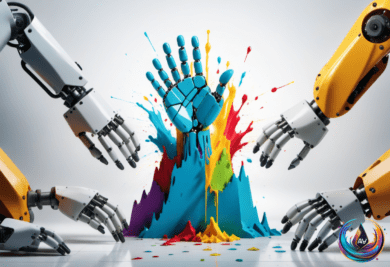
The Surprising Family Fallout of the AI Revolution
Imagine this: a quiet night, a tired mother whispering into her laptop instead of typing, her husband growing increasingly alarmed. Sounds strange? It’s becoming more common than you think! As AI tools become part of our daily lives, they’re quietly reshaping the very fabric of family dynamics—often in ways that are deeply unsettling. From whispered conversations to emotional rifts, AI is not just changing workplaces; it’s infiltrating the sanctity of home life in ways many of us haven’t fully recognized yet.
The Silent Disruption in Relationships
More and more, couples are experiencing tension because of AI’s creeping presence. Women, in particular, are feeling the pressure—burned out, overwhelmed, and sometimes even disconnected from their partners. Take the case of a mother in Berkeley, who started whispering her thoughts into her AI-powered dictation app late at night, fearing her own voice wasn’t enough. Her husband’s concern grew when he saw her talking into her device instead of engaging with him or their child. This isn’t an isolated incident—it’s a sign of a larger trend: AI replacing human connection and creating emotional distance.
Many women report feeling like they’re competing with “the AI baby”—the constant, demanding presence of digital assistants and language models that require attention 24/7. The emotional toll is real, with many feeling unheard and unsupported in their own homes. It’s no longer just about convenience; it’s about the erosion of intimacy and the subtle shift away from genuine human interaction.
Women at the Frontlines of Job Displacement
While families struggle with AI’s impact on relationships, the workforce is feeling the heat, too. Did you know that over 85% of the millions of jobs most vulnerable to AI are held by women—especially in administrative and support roles? Positions like receptionists, executive assistants, and medical transcriptionists—once considered stable—are now at risk of being replaced by automation. This isn’t just a tech industry problem; it’s a societal crisis unfolding quietly in offices across the country.
- Women in clerical roles face layoffs as AI takes over administrative tasks.
- The rise of AI-driven support systems threatens decades of steady employment for women in support services.
- Meanwhile, men are feeling the squeeze in manufacturing, transportation, and warehousing sectors.
Experts warn this could deepen existing economic divides, creating a new gender gap—men losing jobs in traditional industries, women facing displacement in office support roles. The question is: how will society adapt when millions of women find their careers disrupted just as AI promises to make workplaces more efficient?
The Emotional and Social Consequences
It’s not just jobs that are at risk. The psychological impact is profound. Women report feelings of depression, anxiety, and isolation as they navigate these rapid changes. Many are turning to therapy, struggling to find their footing in a world where AI seems to be replacing human warmth and support. Meanwhile, some workers have adopted new behaviors—whispering to devices at night, wearing headsets to talk to AI assistants, or even going so far as to split household responsibilities to avoid conflict caused by digital distractions.
And what about the long-term? Are we heading toward a society where human relationships are mediated—or even replaced—by AI? The subtle but powerful effects of these technologies threaten to redefine what it means to connect, support, and sustain families and careers in the digital age.
The Road Ahead: Navigating the AI Future
So, what’s next? As AI continues to evolve at a breakneck pace, we must ask ourselves—how do we protect human dignity, mental health, and social bonds? Policymakers, industry leaders, and communities need to step up to address these issues head-on. Ethical AI development, support for displaced workers, and open conversations about mental health are crucial to ensuring that technology uplifts rather than undermines our most cherished human connections.
The future isn’t set in stone. We have the power to steer AI’s trajectory toward a more inclusive, empathetic, and humane society. But it requires awareness, action, and a collective effort to recognize the often invisible costs—like the emotional toll on families and women—that come with the relentless march of progress.
Are we ready to face these challenges? The answers lie in how we choose to integrate AI into our lives—mindfully, ethically, and with a clear focus on preserving what makes us truly human.
Based on
- Men Haven’t Yet Noticed That a Large Number of Women Are Disgusted by AI — futurism.com
- Meet the Sad Wives of AI – DNYUZ — dnyuz.com
- Husband Alarmed as Wife Starts Whispering Quietly to Her Computer — futurism.com
- The AI jobs crisis will hit women much harder than men: ‘It’s a mess’ | Daily Mail Online — dailymail.com
- AI Job Disruption: Why Women and Men Both Face the Heat in the Workforce – Internewscast Journal — internewscast.com