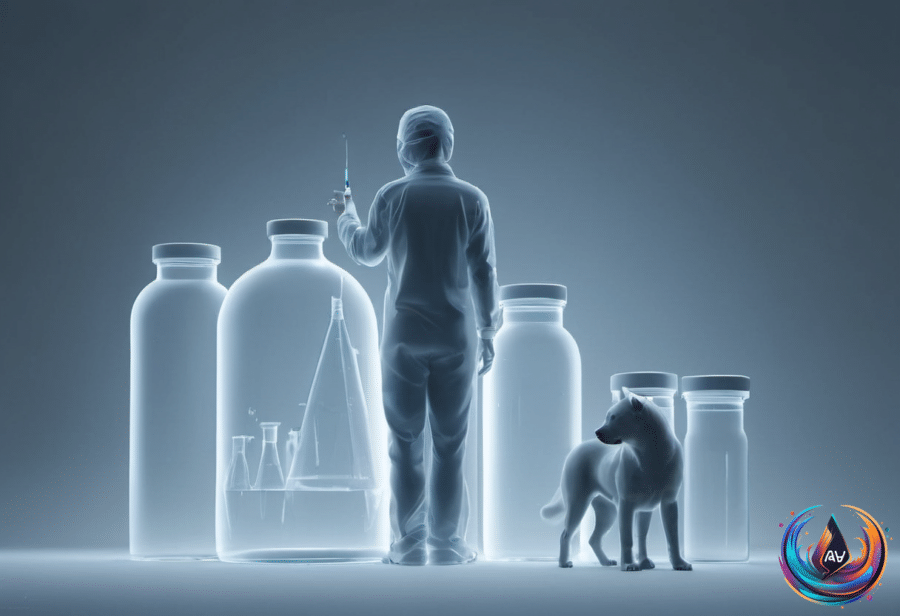
Pet biotechnology is moving in several directions at once. Companies are testing drugs that may extend pets’ lives, offering genetic cloning for cats and dogs, and preserving dead animals at extremely low temperatures.
These services do not promise the same result. A longevity drug aims to improve health while a pet is alive. Cloning creates a genetic twin, not an exact replica. Cryonics stores an animal’s remains for a long time, but it cannot bring the animal back to life today.
Longevity drugs move into pet medicine
Biotech companies are working on pet longevity drugs, with dogs and cats both part of this new focus. Loyal, a biotech company, is trialing one drug designed to improve metabolic health in around 1,300 pet dogs across the United States.
The trial gives Loyal a large group of dogs for studying a drug tied to metabolic health. The facts available do not say that the drug extends lifespan, only that it is designed to improve metabolic health. That distinction matters because a treatment aimed at health is not the same as a proven way to make dogs live longer.
There is also a company focused on longevity medicines for domesticated cats. Together, these efforts show that pet longevity research is not limited to one species or one type of treatment. Dogs and cats are being considered through separate efforts focused on medicines.
Dogs already show a clear difference in lifespan linked to size. Large dogs age more quickly than small dogs at a molecular level, and DNA changes might help explain why lifespan varies by size.
That finding connects the search for longevity drugs with the biology of aging. The difference between large and small dogs is not described only in terms of years. It also appears at a molecular level, where DNA changes may play a role.
Cloning offers a genetic twin, not a copy
Viagen Pets offers to clone cats and dogs for $50,000 a go. The service uses cloning technology to produce a genetic twin of the pet, but the result is not an exact replica.
That difference is central to what cloning can and cannot provide. A genetic twin shares the pet’s genetic makeup, yet the cloned animal is not described as the same animal returned. The service creates a new animal with a genetic connection to the original.
The $50,000 price places cloning alongside other high-cost preservation options, but the outcome remains different from both medicine and cryonics. A drug is intended for a living pet’s health. Cloning creates a genetic twin. Cryonics stores remains.
Cryonics stores pets for an unknown future
Cryonics companies offer to cool dead pets to extremely low temperatures and store them for long periods, even indefinitely. Alcor, a cryonics facility in Arizona, stores the remains of hundreds of pets as well as people.
Alcor recently announced that it had cooled a small marsupial, its first pet sugar glider. The announcement adds a sugar glider to the kinds of pets connected with cryonics services, alongside the cats and dogs covered by cloning and longevity efforts.
Still, cryonics has a firm limit today: there is no way to truly bring animals back to life. Long-term storage is the service being offered, not revival. The possibility of returning an animal to life remains outside what cryonics can currently do.
That limit separates cryonics from the other technologies in this field. Longevity drugs work with living animals, while cloning creates a genetic twin. Cryonics begins after death and preserves remains without a current method for restoring life.
Three different answers to the same problem
Pet preservation technology now covers three distinct ideas. Longevity medicine focuses on changing health during life. Cloning focuses on genetics and produces a twin. Cryonics focuses on storage after death.
The science behind these approaches also differs. DNA changes may help explain why large dogs age faster at a molecular level, while Loyal’s trial centers on metabolic health in around 1,300 dogs. Viagen Pets uses cloning to create genetic twins, and Alcor stores remains at extremely low temperatures.
None of these options delivers the same pet again. A drug is not a guarantee of a longer life, a clone is not an exact replica, and cryonics cannot revive an animal today. Those boundaries define what pet biotechnology offers on October 16, 2026.
The field is expanding, but its promises remain specific. Pet owners can see research into metabolic health, a $50,000 cloning service, and cryonic storage that may last indefinitely. Each option addresses a different part of the problem, and each comes with a clear scientific limit.
Based on