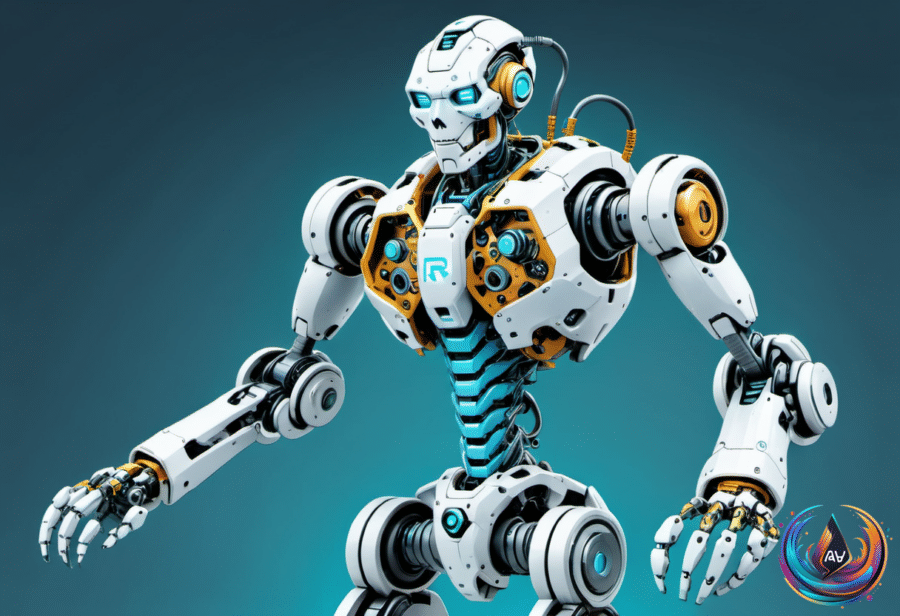
Robotics is still rebuilding its foundations. Amulya Vishwanath calls this phase the industry’s “Lego era,” where even the basic building blocks are being rebuilt. That makes the promised breakthrough from a general foundation model look less like an arrival and more like an unfinished construction project.
A view has taken hold that robotics powered by a general foundation model is about to have its “ChatGPT moment.” Pim de Witte, CEO of General Intuition, put the idea plainly: “a single general foundation model would make much of today’s specialized robotics work redundant, and be that moment.”
That prediction depends on a large assumption: the core pieces of robotics are ready to work together. Vishwanath’s Lego comparison suggests they are not. The sector is still rebuilding basic components, which makes a single model capable of handling broad physical tasks a powerful goal—but not an accomplished fact.
Physical AI Is Bigger Than Robots
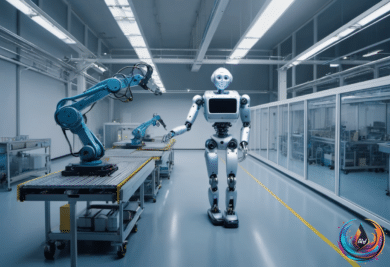
Vishwanath also rejects the idea that physical AI means only machines with arms, legs, or wheels. She defines it as “a molecule, a material, a medicine,” or a machine on a factory line. The definition stretches across products, substances, treatments, and industrial equipment.
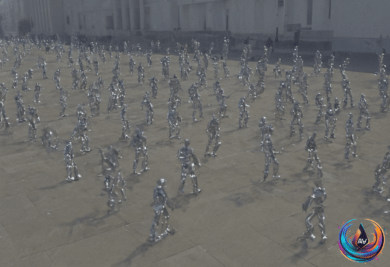
That wider view matters because it changes where the important opportunities may appear. A machine on a factory line fits the conversation, but so does work involving a molecule, a material, or a medicine. The robot is only one possible form of physical AI—despite the industry’s fondness for showing humanoids doing things that look impressive until the dancing stops.
Vishwanath discusses “conscious automation,” a concept tied to the way physical systems handle real work. Her focus is not automation for its own sake, but opportunities that solve large problems. She points to family-run factories that cannot find workers and surgeons facing burnout.
Those examples give the technology a clearer test. A physical AI system should address a serious labor or workload problem, not simply demonstrate that a machine can move through a choreographed routine. Vishwanath believes humanoids should be good for more than dancing, which is a low bar that the industry keeps finding new ways to trip over.
The Venture Capital Moat
Vishwanath’s background shapes how she evaluates that opportunity. Years at NVIDIA built the network she now uses for due diligence and customer introductions. For founders, that network is part of the value a venture firm can offer before a product reaches the market.
She wants founders to see their VC as their moat. In a field where the underlying building blocks are still being rebuilt, access to informed diligence and customer introductions can matter as much as capital. The pitch is not that a venture firm replaces technical progress; it is that the right network can help a company navigate the gap between a promising system and a useful one.
Vishwanath also thinks the U.S. and China each have the edge in physical AI. That view avoids handing the category to one country and points to a contest with strength on both sides. Physical AI spans enough forms—from medicines and materials to factory machines—that the advantage may not belong to a single approach.
The central question remains whether a general foundation model can unify those forms or whether specialized systems will keep doing the practical work. De Witte’s prediction favors a single model that makes much of today’s specialized robotics work redundant. Vishwanath’s “Lego era” diagnosis says the pieces themselves still need rebuilding.
Both ideas can be true, but they describe different stages of the same industry. Robotics may eventually reach its ChatGPT moment, yet the current opportunity lies in solving difficult physical problems before the grand unifying model arrives. For now, the most credible progress will come from founders who build useful systems—and from investors whose networks help those systems meet real customers.
Based on