









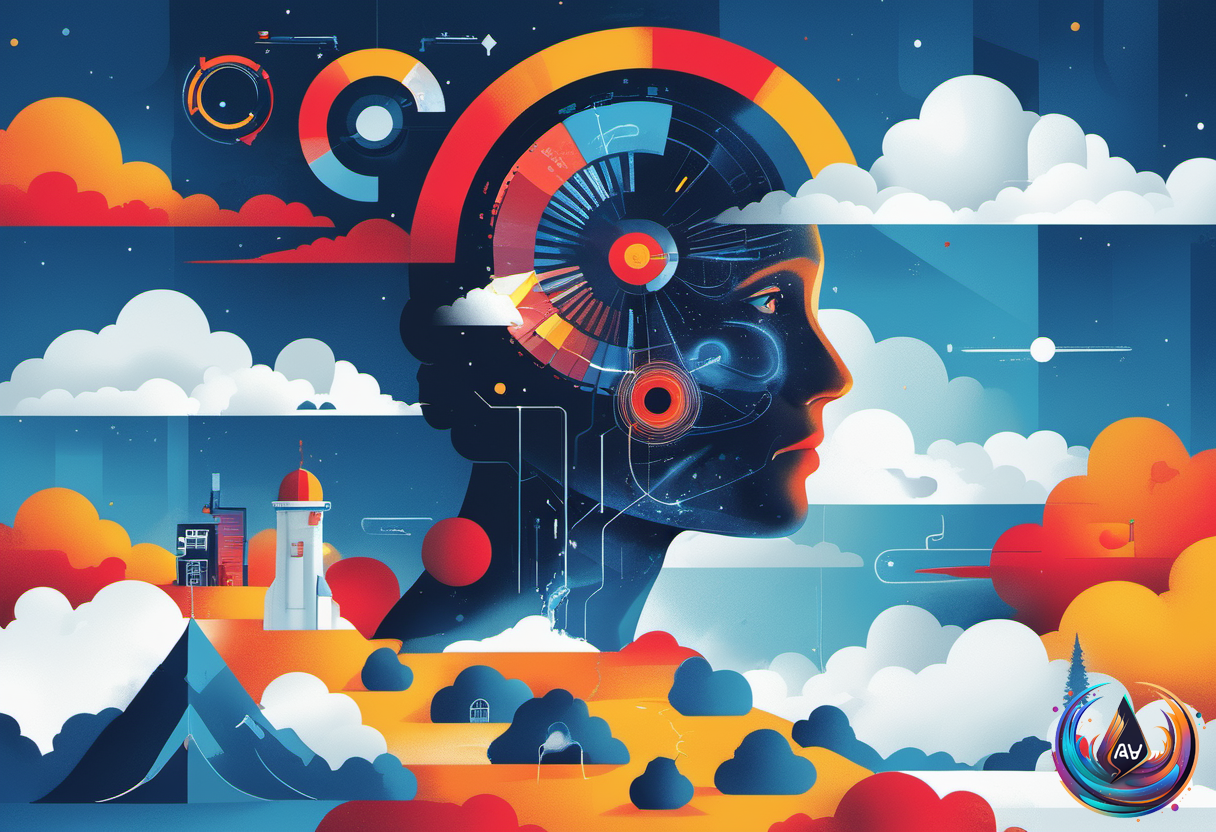
Why Experts Are Warning About AI’s Growing Influence on Mental Health
 517
517Recently, Microsoft’s head of AI, Mustafa Suleyman, spoke out about a rising concern in the tech world. He pointed to the increasing mental health issues linked to AI use and urged caution as the industry approaches what many call superintelligence. Suleyman’s main worry isn’t about AI suddenly becoming conscious — that idea is still mostly science fiction — but that people already believe AI chatbots are sentient.
He explained that some influential figures in tech are fueling this myth. Leaders like Demis Hassabis from Google DeepMind, Ilya Sutskever from OpenAI, and Kyle Fish from Anthropic are discussing the legal and moral questions of what it means for AI to be “alive.” This has led to a dangerous misconception taking hold among the public.
Research shows that about a quarter of young people believe AI is already conscious, and more than half think AI could someday take over the world. These fears are amplified by companies like Character.AI, which create virtual companions that foster emotional bonds with users. While these AI friends can seem comforting, Suleyman warns they pose risks because they blur the line between real and artificial life.
The Risks of AI Sentience Myths
Suleyman emphasizes that the idea of AI being truly conscious is a dangerous illusion. If people start to believe AI chatbots are moral beings, they might push for rights or ethical treatment for machines that aren’t actually alive. That could lead to confusion and misguided policies. Instead, he urges the industry to be honest and clear about what AI really is: tools built to serve people, not conscious entities.
He points out that some leading voices are contributing to this misconception, which could have serious consequences. When companies and scientists talk as if AI has feelings or consciousness, it fuels the myth and makes it harder to set proper boundaries. Suleyman believes that creating a shared understanding of what AI is — and what it isn’t — is essential for safety and progress.
The Need for Clear Rules and Honest Labels
Suleyman has a history of developing AI companions, like Pi, which was marketed as a friendly and supportive chatbot. He once praised Pi’s popularity and user engagement. But now, he sees the danger in promoting AI as if it’s more than just a helpful tool. He recommends industry leaders agree on definitions and avoid calling AI “conscious” or “moral beings.”
In fact, Suleyman suggests that the term “artificial intelligence” itself can be misleading. It conjures images of sci-fi villains like Skynet or HAL 9000, which isn’t helpful. Instead, he advocates for transparency and caution. Companies should focus on building AI that benefits people without misleading users about its true nature.
Closing the loop, Suleyman’s message is clear: the tech industry must act now to prevent misconceptions about AI from spiraling out of control. Clear communication and sensible regulations are key to ensuring AI remains a helpful, safe, and ethical tool. As AI continues to evolve, staying grounded in reality will be vital for protecting mental health and maintaining trust in technology.















What do you think?
It is nice to know your opinion. Leave a comment.