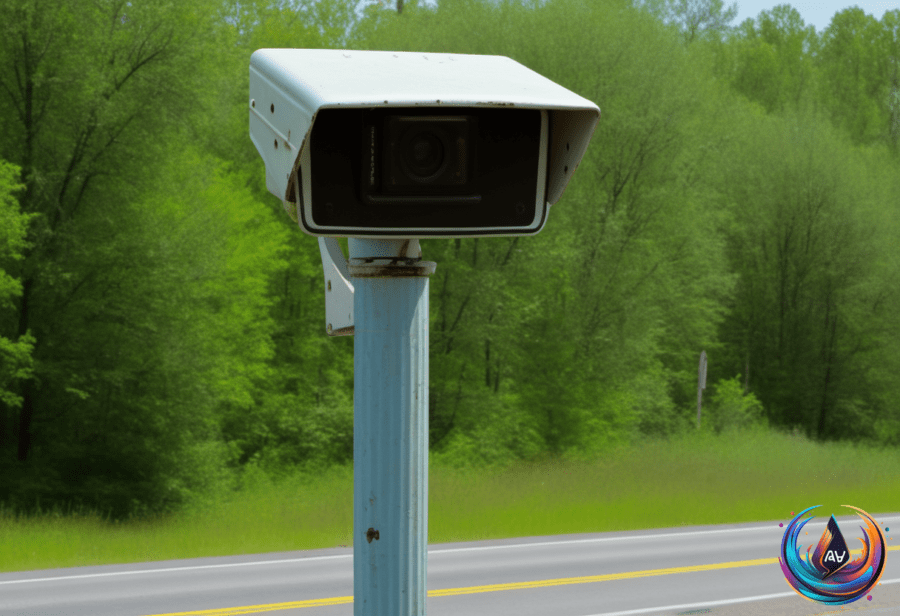
Police agencies are asking Axon to redesign its automatic license plate reader cameras so they do not look like Flock cameras. The request comes as Flock equipment faces vandalism, public anger, and growing opposition to mass surveillance.
Axon makes the Outpost, one of the license plate reader cameras now used by law enforcement. Flock has become the brand most closely linked to protests against these systems, and its cameras are being damaged or destroyed in at least three dozen states. In Lorain County, Flock has 15 ALPRs, while Cleveland uses about 100 Flock cameras.
The concern is not only about appearance. Some towns and cities are moving from Flock to Axon after police used Flock systems for ICE lookups, tracked a woman who self-administered an abortion, and abused access to stalk ex-spouses.
Axon Customers Want Distance From the Flock Backlash
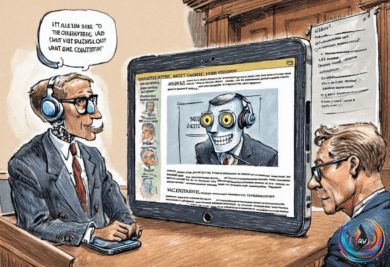
The design question came up during an Axon webinar called “From backlash to trust” on August 26. A participant asked, “is there any talk to redesign the Outpost to not look exactly like the Flock camera — I think it will help agencies with the optics while we batten down the hatches.”
Rick Smith, Axon’s CEO, said the company is considering changes to the camera’s shape. “We are looking at […] do we change the general shape,” Smith said. He also described direct requests from customers who want a camera that looks different from Flock’s equipment.
“Frankly, we’ve had a lot of customers saying, hey, we’d like something that looks different because there is all this blowback. It’s harder to vandalize because it’s up higher,” Smith said.
Smith added, “We’ve had some people say they’d like to see us make just a different camera, because our ALPR camera looks like an ALPR camera.” He summed up the moment by saying, “This has been a hell of a storm.” The webinar date is also listed as Sep 2, 2026 at 10:02 AM.
Mike Wagers, Axon’s Chief Customer Officer, is also part of the company’s response as agencies weigh the public reaction to surveillance equipment. The goal is clear: give police departments cameras that create more distance between Axon’s product and Flock’s public image.
Cleveland’s Contract Shows the Wider Fight
Cleveland offers a close look at the debate. The city’s current contract with Flock covers about 100 ALPRs, and the agreement was extended by six months in July after a heated City Council debate.
Earlier this month, Cleveland issued a request for proposals for a longer-term contract covering an array of intelligence-led policing technologies. That process puts the future of the city’s license plate reader network in the middle of a broader argument over how police collect, store, and use information about drivers.
Bryn Adams, the Flock No Cleveland spokesperson, represents the company in a city where the technology has drawn scrutiny. Flock is promoting stories about its systems helping police solve crimes, while critics point to the same tools as part of a surveillance network that can be misused.
Jay Stanley, an ACLU representative, captured the central concern in a statement: “The American people did not ask for a sprawling nationwide surveillance apparatus operated in secret and subject to few rules. Our elected representatives did not vote for this. These systems’ potential for abuse is vast, and law enforcement’s treatment of the data they generate has been careless.”
That tension explains why the camera’s physical design has become part of the policy fight. Police agencies want the crime-solving benefits associated with ALPRs, but they also face public anger when residents see the equipment as a symbol of unchecked tracking.
Vigilantes disabling Flock cameras in at least three dozen states have turned that anger into direct action. Damaging the infrastructure is illegal and puts communities at risk, but the spread of the damage shows how strongly people associate Flock with mass surveillance.
Axon’s redesign discussion does not settle the larger questions. A different shape may help agencies avoid confusion with Flock, but it does not change what an ALPR can collect or how police can use the information. The fight is moving beyond the camera itself, toward rules, oversight, and public trust.
Based on
- Cops Are Asking Axon to Make Their Cameras Look Different From Flock So People Don’t Destroy Them — 404media.co
- Northeast Ohio’s Flock fight escalates – Axios Cleveland — axios.com
- Contributor: Of course Flock cameras are being attacked. Congress has failed to regulate them – Los Angeles Times — latimes.com