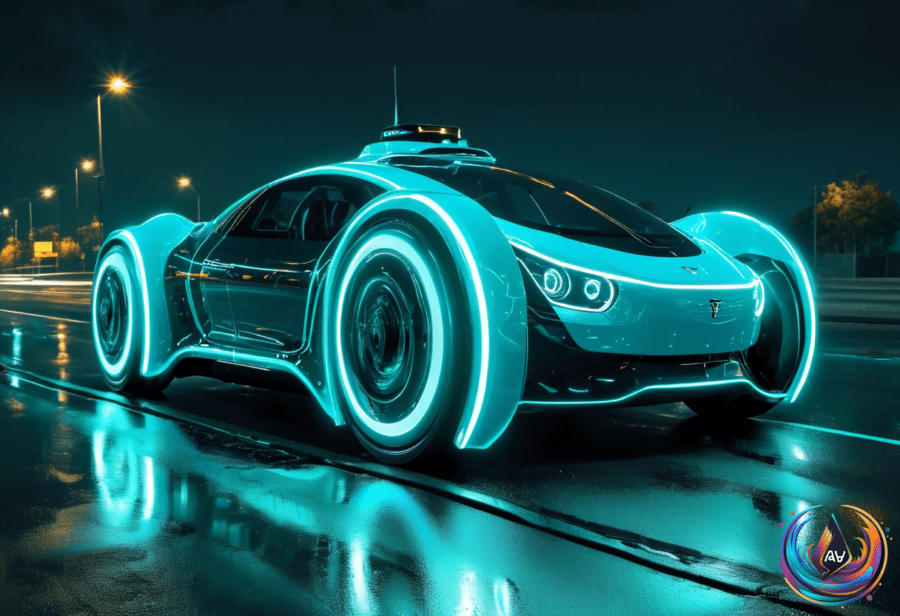
XPeng just rolled out its first mass-produced robotaxi. It happened at their factory in Guangzhou, China. This marks a big moment for Chinese automakers. XPeng is the first to build a robotaxi entirely with its own technology and in volume.
The robotaxi is built on XPeng’s new GX platform. It’s designed from the ground up for Level 4 autonomy. That means it can drive itself without human help in most conditions. Unlike other players, XPeng didn’t retrofit existing cars. They engineered this vehicle specifically for robotaxi service.
Inside, the robotaxi packs four Turing AI chips, all developed in-house. Together, they deliver 3,000 trillion operations per second of computing power. That’s enough to process complex driving decisions instantly. The car uses a pure vision system—no lidar and no high-definition maps. Instead, it relies on cameras and XPeng’s own VLA 2.0 software, which cuts response times to under 80 milliseconds.
This vision-first approach is similar to Tesla’s but with a twist. XPeng keeps a radar sensor too. Their AI model removes language translation steps common in other systems. This streamlines decision-making and helps the car adapt to different cities and even cross borders easily.
From Factory to Streets
The robotaxi line in Guangzhou already holds a road-testing permit. XPeng has been running Level 4 tests on public roads since January 2026. They set up a dedicated robotaxi business unit earlier this year. This team handles everything from R&D to operations.
Pilot operations with safety drivers will start in the second half of 2026. The goal is to validate the technology, test how users respond, and refine the business model. Fully driverless commercial service is planned for early 2027. XPeng expects to build hundreds to thousands of these robotaxis in the next 12 to 18 months.
While this ramp-up is modest compared to Baidu or Pony.ai, XPeng’s approach is unique. Those companies retrofit existing vehicles with autonomous tech. XPeng’s robotaxi is purpose-built, giving it a hardware edge. This also means XPeng handles software operations and fleet management, which comes with risks. Large autonomous fleets can face sudden failures, like those seen with Baidu’s Apollo Go robotaxis.
Why This Matters
XPeng’s robotaxi launch is part of a bigger plan. The company wants to diversify beyond selling electric vehicles. They aim to monetize their AI technology across multiple products. This includes humanoid robots and modular flying cars—all powered by the same Turing chips and VLA 2.0 software.
Volkswagen is already on board as a customer. The German automaker owns a stake in XPeng and uses its AI chips and software. This marks a rare moment when a major Western carmaker adopts Chinese autonomous driving tech at this scale.
XPeng targets shipping about one million Turing chips in 2026. They also plan to open their robotaxi software development kit to other fleet operators. This could help the company scale its autonomous driving ecosystem quickly.
At the same time, XPeng faces challenges. The company reported a drop in deliveries for Q1 2026, blaming subsidy cuts and a longer Lunar New Year. Its first quarterly profit came just before this softened outlook. The robotaxi launch arrives amid a tougher market and growing scrutiny of autonomous fleet risks.
Still, XPeng’s move signals a shift in the industry. Mass-produced, purpose-built robotaxis could soon become common. The next test is whether XPeng’s robotaxis can handle mixed traffic safely and reliably without drivers. If they succeed, it will reshape urban mobility in China and beyond.
Based on
- XPeng starts its robotaxi line in Guangzhou, three years behind the leaders and ahead of any other Chinese automaker — thenextweb.com
- Xpeng rolls out first mass-produced robotaxi, plans pilot operations in H2 – CnEVPost — cnevpost.com
- XPeng’s first mass-produced robotaxi rolls off production line, targets driverless operations by 2027 – AlongWalker — my.alongwalker.co
- Xpeng rolls off first-ever mass-produced robotaxi unit – NexGen Autoworld — nexgenautoworld.co.ke
- Xpeng – Announces First Mass-Produced Robotaxi Rolls Off Production Line In Guangzhou — TradingView News — tradingview.com
- Xpeng Unveils China’s First Mass-Produced Robotaxi Without Lidar – Seoul Economic Daily — en.sedaily.com