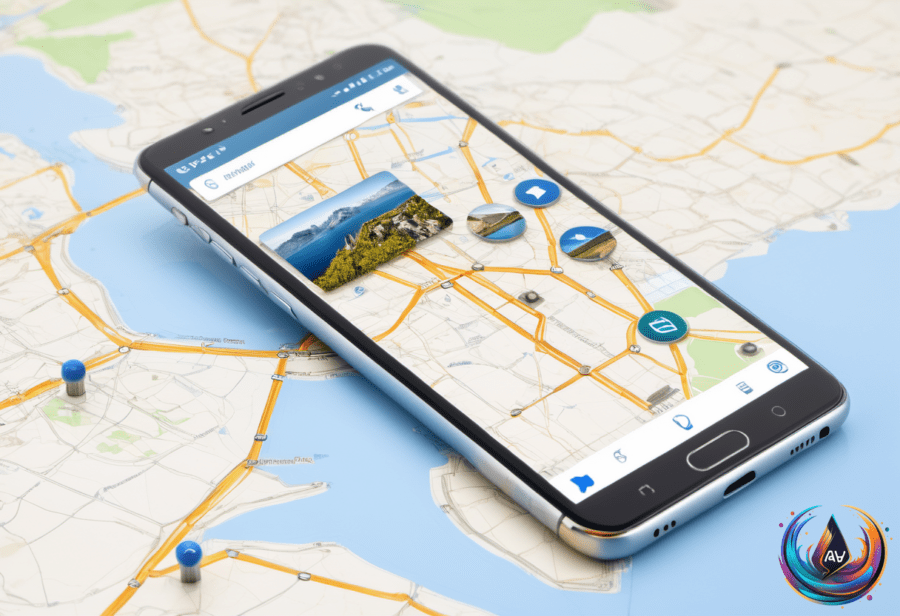
Your holiday photo may reveal your location even when it carries no location tag. Common AI tools can examine landmarks, signs, and scenery, turning an innocent travel image into a detailed clue for criminals.
That threat now reaches beyond location tracking. Criminals are also hacking personal accounts to steal intimate images, then selling those files on criminal marketplaces with personal details attached. The result can include harassment, stalking, sextortion, and the distribution of stolen content.
AI Can Read the Clues Hidden in Travel Photos
McAfee, a producer of anti-virus software, tested two AI models on more than 21,000 travel images. One model identified the correct location in 91% of images, while the other reached 87%. Both results show that common AI tools can detect where a photo was taken more than 90% of the time with at least one model in the test.
The systems can identify the country where an image was taken even when specific location details are not tagged. They study visual clues instead, including landmarks, signage, and scenery. A photograph does not need to display a street address to reveal useful information about where someone has been.
That capability gives criminals more context when they study public images. Vonny Gamot described the danger clearly: “What AI does is give context … so that makes the scam [and] makes the threats credible.”
The power of the tool comes from connecting details that may look harmless on their own. A landmark can suggest a city, scenery can point toward a country, and signage can narrow the search. When those clues appear in images shared through personal accounts, criminals gain material they can use alongside other information.
Account Hacking Turns Private Images Into Targets
The FBI warns that criminals are hacking into personal accounts to steal explicit images and sell them online. Hackers use criminal marketplaces to offer stolen images, often attaching personal details that can identify the victim or connect the material to other parts of their life.
Victims can face harassment, stalking, sextortion, or the distribution of stolen content. The FBI describes another form of harm: “Victims often face re-victimization through harassment, sextortion, stalking or other targeted attacks, such as advertising stolen content on a victim’s own social media page.”
These attacks rely on social engineering and account-breaking tactics. Criminals may take passwords from leaks, impersonate social media representatives, or send phishing emails designed to capture login information. Cybercriminals also use brute-force attacks, impersonation, and phishing to gain access to accounts.
Public profiles can make people more visible targets, especially student-athletes. The FBI has indicated that attacks on social media accounts to steal intimate images are on the rise, bringing a serious privacy threat into spaces where people share personal photos and maintain public identities.
Why Young Users Need Stronger Account Protection
Rachel Tobac, CEO of SocialProof Security, said, “These attacks especially target young boys, and that these attacks are ‘a big public health issue,’ given that sometimes the victims are driven to self-harm in response.” Her warning places account security alongside the human cost of stolen images and targeted abuse.
The danger is not limited to the first theft. Once images reach criminal marketplaces or are posted through a victim’s own social media page, the victim may face repeated harassment and new attempts to exploit the situation. Stolen personal details can give criminals more material for impersonation, threats, and other targeted attacks.
The FBI advises people to use unique, complex passwords and enable multi-factor authentication on their accounts. It also advises avoiding the storage of sensitive images online. These steps address the methods criminals use to enter accounts and reduce the amount of sensitive material available if an account is compromised.
- Use a unique, complex password for each account.
- Enable multi-factor authentication.
- Avoid storing sensitive images online.
- Treat messages from supposed social media representatives with caution.
- Watch for phishing emails that request account information.
AI has made visual clues easier to connect, while hacking tactics give criminals access to private accounts and intimate images. Together, these threats show why a photo’s value can extend far beyond what appears in its frame.
Travel images can expose location clues, and account security can determine who controls private content. Strong passwords, multi-factor authentication, and careful decisions about image storage give users a clearer defense as criminals combine AI analysis with social engineering.
Based on
- ‘We detected unusual activity’: the scam that uses AI to exploit your holiday photos — theguardian.com
- Criminals are hacking into people’s accounts to steal intimate images, FBI warns | The Independent — independent.co.uk
- FBI says cybercriminals are hacking into victims’ online accounts to steal their intimate pictures | TechCrunch — techcrunch.com