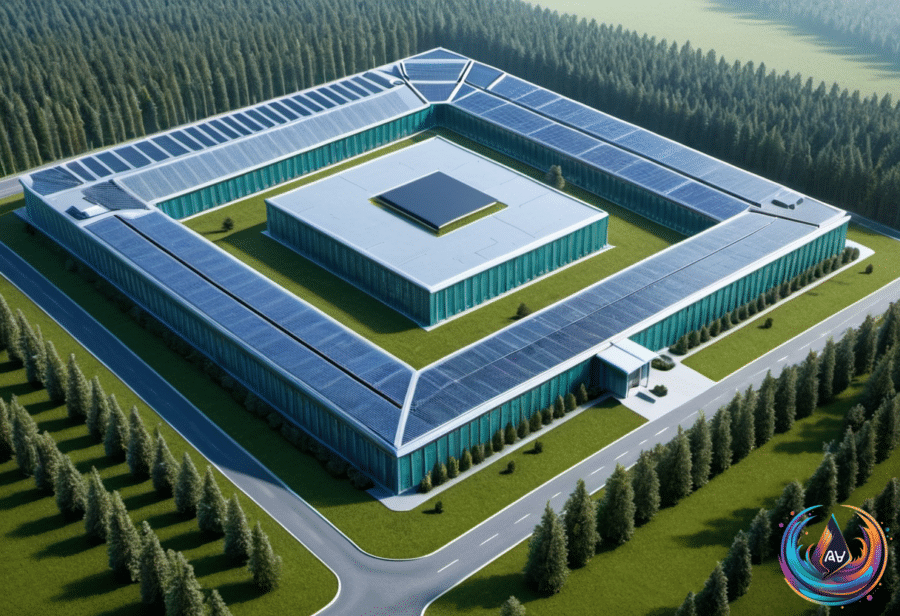
The AI debate has already entered the 2028 election, and Democratic hopefuls are racing to define what responsible innovation should look like. The fight reaches beyond chatbots and software: it now includes the datacenters that power artificial intelligence, the energy they consume, and the rules that could shape the technology’s next era.
Voters are paying attention. A New York Times/Siena College poll found that 61% of voters opposed the construction of datacenters, while an SSRS/CNN poll found that 71% of Americans believed the government wasn’t doing enough to regulate the growth and development of AI. Those numbers give Democratic candidates a clear political opening as concerns over AI’s environmental, energy, privacy, and democratic effects mount.
The Democratic argument: Build guardrails before AI expands
Democrats are calling for guardrails, with some embracing calls for a slowdown in development. Democratic governors are rushing to rein in AI amid pressure from voters and the technology industry, turning regulation into a central issue for potential 2028 presidential candidates.
Kamala Harris has long advocated for guardrails around AI and has more recently echoed calls for a slowdown. As vice-president, the former 2024 Democratic presidential nominee led the Biden administration’s efforts to understand and mitigate the risks of AI.
In 2023, Harris voiced concerns about short-term dangers, including the threat to democracy through disinformation and dissemination, as well as risks to privacy. On 14 September 2023, she reiterated the need for stricter federal regulations around artificial intelligence.
Harris’s position places AI inside a much larger political debate. The question is not only how fast companies can develop new systems, but whether governments can protect democratic institutions, personal privacy, and communities affected by the infrastructure behind them.
California tests a tougher model for AI oversight
Gavin Newsom has pushed for stricter AI regulation in California, home to many technology companies, including OpenAI, Anthropic, and Google. His approach combines support for AI advancement with safeguards aimed at limiting harm as the industry expands.
Newsom has promoted AI advancements in California while adding rules that require large companies to publish best practices, protect whistleblowers, and include safeguards for young users. He also mandated a study to help companies retain employees rather than replace them, linking AI policy to the future of work.
In September, Newsom signed an executive order urging companies to consider creating a “kill switch.” The proposal adds a powerful image to the regulation debate: companies should not only explain how their systems work, but also consider how those systems could be stopped when risks grow.
Newsom spoke at the Center for American Progress Ideas conference in Washington DC on 19 May 2026, reinforcing his place in a national conversation that is moving far beyond California. The state’s technology base gives him a direct connection to the companies building AI, while its new safeguards offer a model for the federal government to examine.
Shapiro offers a middle path on development and power
Josh Shapiro has taken a middle-ground approach to AI development and datacenter construction, advocating for technology investment with clear regulations. He was an early adopter of AI development, championing AI investment in Pennsylvania in September 2024.
That support has not stopped him from demanding stronger oversight. Shapiro called for stricter federal regulations around AI in September and signed an executive order in August to ensure datacenters meet stricter environmental and energy standards.
At an AI summit in September, Shapiro said: “I want to be clear: I am not a doomer. I don’t think it is inevitable that AI is going to take over the world or that someone will misuse it to kill us or do harm. But I do have real concerns, as do many Pennsylvanians and many Americans.”
His message captures the tension facing Democratic candidates: AI can attract investment and create new opportunities, but datacenters consume vast amounts of resources, and voters want rules that address the costs. The debate now reaches governors, federal lawmakers, technology companies, and communities asked to host the infrastructure.
One election, two visions for AI’s future
Donald Trump has brushed off concerns and insisted that the United States must lead the world in AI development. Democrats are building a different case, arguing that leadership requires guardrails, stronger federal regulation, and a plan for the energy demands behind the technology.
The divide could shape the 2028 election long before voters choose a nominee. Harris is pressing the case for caution around democracy and privacy, Newsom is pairing innovation with California safeguards, and Shapiro is tying investment to environmental and energy standards.
As September 2026 brings a rush of Democratic action on AI, the party’s debate is becoming clearer: not whether artificial intelligence will grow, but who will control its pace, its risks, and the infrastructure that makes it possible. The candidates who answer those questions may define the next chapter of American technology policy.
Based on
- The AI debate is already shaping the 2028 election. Here’s where Democratic hopefuls stand — theguardian.com
- Democratic governors rush to rein in AI amid tech industry and voter concerns — nbcnews.com
- Democrats are making moves to run for president in 2028. Here’s what they’re doing – The Washington Post — washingtonpost.com