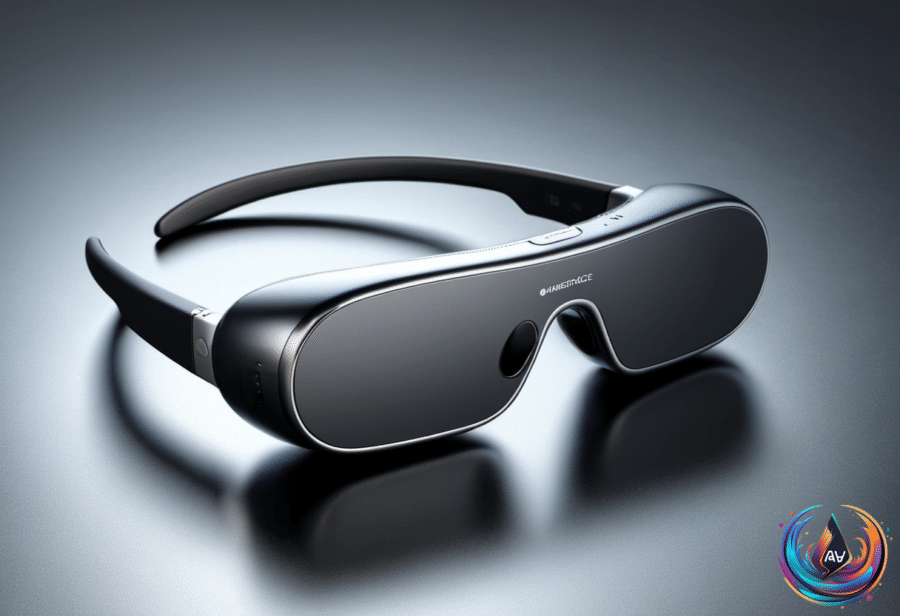
Meta Connect became a glasses convention. At the September 25, 2026 event, Meta presented smart glasses as its broadest hardware push yet, spanning virtual reality, audio, accessibility, artificial intelligence, and fashion. Mark Zuckerberg has expressed his belief that smart glasses are the future, and Meta arrived with enough models to make that belief look like a product strategy.
The most ambitious announcement was Meta VR Glasses, which weigh 100g—five times lighter than Meta Quest 3. They will launch in spring 2027 for $1,299, pairing a 5K micro OLED “Infinite Display” with 2412 x 2288 pixels per eye and a refresh rate of up to 120Hz.
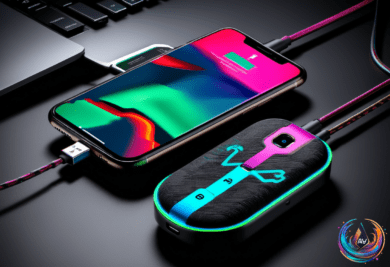
Those glasses will not carry all their computing hardware on the frame. They connect to a pocket-sized puck containing a Qualcomm Snapdragon Reality Elite, 128GB of storage, 12GB of RAM, and a battery. The system can connect to Mac or Windows laptops, supports the full Meta Quest catalog and Xbox Cloud Gaming, and is the first IMAX Enhanced certified VR device.
Audio, accessibility, and fewer cameras
Meta also demonstrated new audio-only smart glasses that remain unreleased. They have six microphones, no camera, and no native way to record their surroundings—a useful distinction in a category that has spent years asking whether every pair of sunglasses needs to become a wandering surveillance device.
Meta’s staff described the basic appeal without dressing it up: “You can listen to music easily (they’re more comfortable than earbuds) and take phone calls without reaching for your phone.” Meta is also developing glasses for the hearing impaired, priced at $150 after about five years of development.
The camera-free Ray-Ban Meta Audio glasses weigh 43g and offer up to 12 hours of battery life per charge, or 48 hours with the charging case. They launch on October 13, 2026, for $349, giving Meta a product aimed at people who want wearable audio without a camera staring back at the room.
Meta’s updated Ray-Ban Meta Gen 3 glasses add up to nine hours of battery life, a customizable action button, and a six-mic array. They have a slimmer design, 27 color and lens combinations, and a built-in LED light that indicates recording. The lower-cost Meta Adventurer starts at $249 on October 23, 2026.
Glasses become a platform
Meta is treating the frames as a platform rather than a single product line. Its “Mix & Match” program will let buyers customize glasses, while new styles are arriving through its EssilorLuxottica collection and a collaboration with Lisa of Blackpink.
Availability is expanding, too. Meta Glasses are coming to Singapore, South Korea, Mexico, and the United Arab Emirates, with Brazil “coming soon.” Meta Ray-Ban Display glasses are also coming to the UK, Canada, France, Italy, and Germany, with online ordering available.
A new Explore app for Ray-Ban Display glasses will add photo editing, an improved calendar, and mirrored phone notifications. These features push the glasses beyond hands-free capture or audio playback, although the real test will be whether users want another screen attached to their face.
Meta is also placing its Muse AI assistant across smart glasses and video calls. Muse is planned to guide workouts, log meals, book appointments, and help users buy products. A Meta staffer described the intended use plainly: “If you don’t mind being seen in public talking to your own sunglasses, you’ll be able to ask Muse to take care of various digital tasks for you, like sending emails or reciting to-do lists, and it will handle them while you’re out grocery shopping or having a beer.”
Meta plans to personalize Muse with an assortment of cute digital avatars that represent the agent when it communicates with users. The company also announced Muse Charm, a small AI gadget housing the Muse agent and expected to ship in time for the holiday season.
The pattern is clear: lighter hardware, more regional launches, more styles, and an AI agent spread across devices. Meta is betting that smart glasses will become a daily interface before most people have decided whether they want their sunglasses sending emails.
Based on