Apple’s iMac M6 is faster than any iMac before it, but the upgrade arrives with a familiar problem: the computer still looks almost exactly like the model introduced in 2021. The M6 chip and updated memory improve performance, yet the 24-inch design feels harder to justify as larger monitors become the norm.
The iMac remains a solid desktop computer for consumers and business users. It is easy to set up, includes a sharp display, speakers, a webcam and matching accessories, and takes very little space. The trouble is the price. The iMac M6 starts at $1,499, which is $200 more than the M4 model’s $1,299 starting price two years ago.
A familiar design with a stronger engine
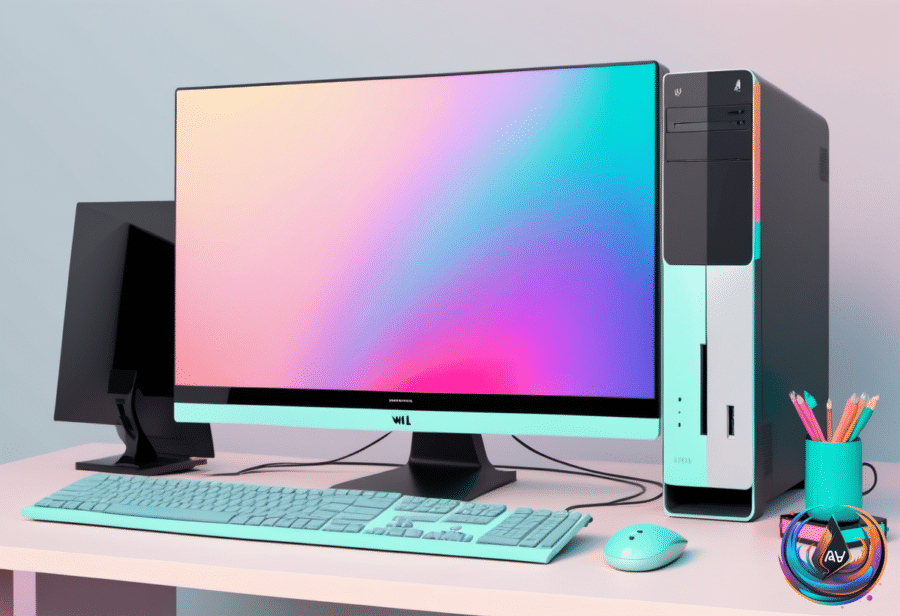
Apple did not release a new iMac last year, and barely anything has changed since the M4 version. The iMac M6 keeps the same seven color options: blue, green, pink, yellow, purple, orange and silver. The mouse, keyboard and cables come in matching shades, while the display still has thick white bezels and a large chin beneath the screen.
The elegant stand still tilts but does not offer height adjustment. Other familiar features include the magnetic power connector, a 3.5mm headphone jack and the 12-megapixel webcam introduced with the previous model. The camera supports Center Stage, and the microphones remain solid; during a weekly 1:1 video chat, a colleague said the reviewer sounded clear.
Those bezels are starting to feel wide and dated. The bigger concern is the screen itself. The iMac still uses a 24-inch 4.5K IPS display with a 4,480 x 2,250 resolution and a brightness limit of 500 nits. Buyers can choose a nano-textured coating that reduces glare, but that option adds $200.
A 24-inch screen can handle movies, music, plenty of Chrome tabs and everyday work without a hiccup. But 27- and 32-inch monitors are now the norm, making the iMac’s smaller display feel like a real limitation. The lack of height adjustment makes the screen size harder to overlook.
Performance is the real improvement
The biggest change from the 2024 model is the move from the M4 to the M6 processor. The new chip adds two extra cores to both the base and high-end models. The high-end configuration tested here offers a 12-core CPU and 12-core GPU, compared with 10 cores for both in the previous model, along with 16GB of memory and 512GB of storage.
Apple also says memory bandwidth now reaches 170GB/s, up from 120GB/s. The M6 iMac scored 4,552 points in Geekbench 6’s single-core CPU test and 20,363 in the multi-core test. Its Geekbench 6 GPU score reached 88,276, while its Geekbench AI ML score climbed to 81,050 from 50,704 on the previous model.
Cinebench 2024 showed a 38 percent gain on the GPU side, with single-core performance up 25 percent and multi-core performance up 40 percent compared with the iMac M4. Disk speeds also matter on computers with less memory, and the M6 did well here, reaching 12.4GB/s write speeds and 6.76GB/s read speeds.
In everyday use, the iMac can run movies, music, Chrome tabs and other tasks without a hiccup. The fans stayed quiet during normal work, though a soft whir became audible during video rendering and other demanding tests. The M6 iMac also scored on a par with the 2026 MacBook Pro with M6 in Geekbench 7, PugetBench for Photoshop, Premiere Pro, DaVinci Resolve and rendering tests.
Wireless connections receive an update too. The new model uses Apple’s N1 wireless chip and supports Wi-Fi 7 and Bluetooth 6, replacing Wi-Fi 6E and Bluetooth 5.3 from the M4 iMac. The higher-end model has four Thunderbolt 4 ports on the back, while the base version has two.
The appeal is convenience, not flexibility
The iMac takes two seconds to set up: open the box, snap in the magnetic power cable, place the included keyboard and mouse on the desk and start working. That simplicity remains the iMac’s strongest argument. It suits people who want the computer, display, webcam and speakers in one place without choosing separate parts.
That is also what makes an all-in-one different from a mini PC. An all-in-one packs the entire computer into the monitor, placing it between a laptop and a traditional desktop. It takes very little space compared with a tower-and-monitor setup, which makes it a good fit for smaller apartments, dorm rooms and home offices.
The tradeoff is flexibility. An all-in-one is not portable like a laptop, although it is easier to move than a traditional desktop. Upgrading the processor or graphics card is nearly impossible on most models, and repairs can be harder and more expensive because technicians may need to work around glued-together parts. Some all-in-ones allow RAM and storage upgrades, but the design leaves less room to grow.
For browsing, documents and video calls, that convenience is hard to beat. For gaming, video editing or buyers who want an upgrade path in a few years, a traditional PC offers more room to grow.
A good computer at a difficult price
The tested configuration costs $1,899 and includes the 12-core CPU, 12-core GPU, twice the storage at 512GB and a keyboard with Touch ID. The entry-level model costs $1,699 in one configuration, while the listed starting price is $1,499.
That pricing changes the question from “Is the iMac good?” to “Is the all-in-one design worth paying for?” The answer is less clear than it was before. Most buyers would be better off with a Mac mini and a bigger external display, especially if screen size matters more than having every component arrive in one box.
The iMac M6 earns an 8.5 out of 10 because it is fast, quiet, simple to set up and capable of handling everyday work along with demanding creative tasks. But it is also a good desktop computer that needs a redesign. Faster hardware helps, yet the unchanged body, small display and higher price keep this from feeling like a complete refresh.
Based on
- Apple iMac M6 review: Faster, more expensive and deeply in need of a refresh — engadget.com
- Apple iMac M6 review: a good design that needs a redesign | The Verge — theverge.com
- MacBook Pro M6 Review: A Slight Upgrade, But Still The Most Accessible MacBook Pro — engadget.com
- M6 MacBook Pro review: solid as usual | The Verge — theverge.com
- The Pros And Cons Of Using An All-In-One Desktop Computer — engadget.com