AWS introduced Pizza Bot on September 13, 2026, as a self-hosted application for AI tasks that keep running while users work elsewhere. Instead of asking people to watch every step, the application collects finished results and decisions that still need attention in an email-style inbox.
Earlier versions of Pizza Bot served more than 2,000 people inside Amazon. The new version turns that experience into an open project, with code licensed under Apache 2.0. That license gives the project a clear place in the open-source software world while keeping its focus on background AI work.
An Inbox for Work That Keeps Moving
Pizza Bot organizes activity into three inbox sections: All, Unread, and Action. Completed results can wait in the inbox, while pending decisions appear where users can review them. The setup treats AI tasks less like one-time chat messages and more like work items that move through a process.
Tasks can start in three ways. A user can launch one manually, schedule it through cron, or connect a webhook that starts the task when an outside event occurs. These options give Pizza Bot several paths for beginning work without requiring the user to keep the application open and watch it.
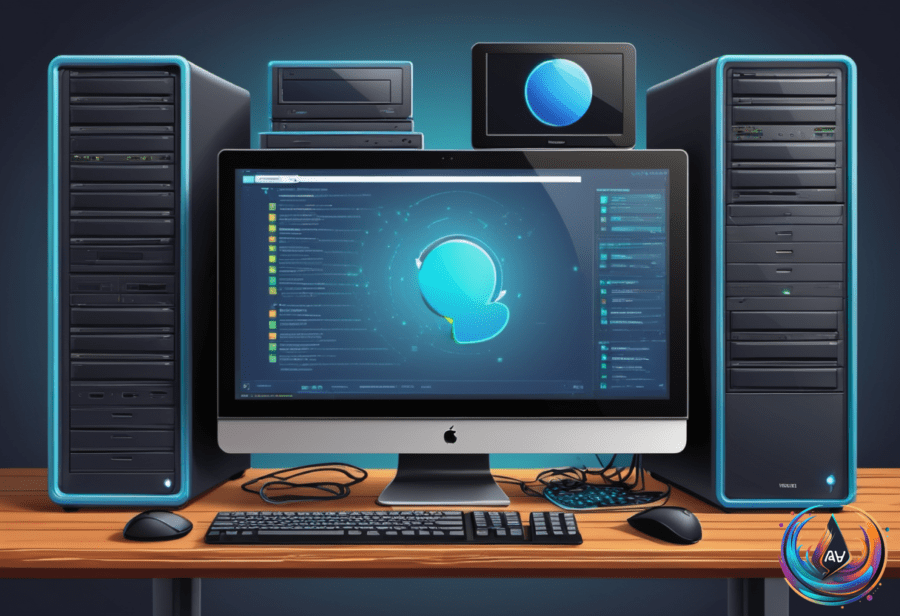
The application supports macOS, Windows, and Linux desktop builds. It also offers browser and terminal clients, which can connect to either a local backend or a standalone backend. All clients communicate with the server through HTTP and server-sent events, giving the different interfaces a shared connection to the same runtime.
A Hono API server owns runtime execution and storage in Pizza Bot. DeepAgents and LangGraph handle stateful execution, while LangGraph checkpoints retain thread state and approval pauses. That means a task can keep its place when it reaches a point that needs a decision instead of losing the work already completed.
Tools, Providers, and Approval Controls
Pizza Bot supports Amazon Bedrock, Anthropic, Google Gemini, OpenAI, OpenRouter, and Ollama. Users configure a provider under Settings > Providers before running tasks. The range of supported providers gives the application a way to work with different model services and local setups.
The agent includes scratch-file operations and a sandboxed JavaScript interpreter. The interpreter has no network access and cannot access the host filesystem, placing limits around what those tasks can do. Those boundaries are part of the application’s design for running work without giving every task unrestricted access to the surrounding computer.
Skills can require approval for specific tools. Skill authors set interruptOn and allowedDecisions to define when the agent must pause and what decisions a user can make. This connects directly to Pizza Bot’s Action inbox, where unfinished approvals wait for a response.
Pizza Bot also supports existing Claude Code-compatible .mcp.json configurations. Its plugins package skills together with MCP servers, giving those components a shared way to extend the application. Each SQLite data directory supports one backend process, a detail that matters when setting up the application’s storage and runtime.
Part of a Larger Agent Conversation
Pizza Bot arrives as discussion around AI agents widens beyond individual assistants. On September 12, 2026, Mollick wrote about agent swarms and a Hugging Face debacle. The same conversation includes a 150k+ ML SubReddit community, showing the scale of interest around machine learning and agent systems.
Other coverage has focused on the risks attached to this technology. A Forbes article mentions AI researchers warning that technology could wipe out humanity. That concern sits alongside practical questions raised by Pizza Bot, such as when an agent should pause, which tools it may use, and how a person stays connected to work that continues in the background.
USA Today announced the launch of a directory that catalogs the three layers of the agentic AI stack on one site and links them to each other. The directory adds another way to navigate the growing collection of tools, systems, and services around AI agents.
Pizza Bot’s approach is easy to summarize: let tasks run, keep their state, and bring the results back to an inbox. Its desktop, browser, and terminal clients cover different ways to interact with the same backend, while scheduled starts, webhooks, provider choices, approval controls, and sandboxed tools shape how that work proceeds.
The project also makes the boundary between automation and supervision visible. AI tasks can continue while users work elsewhere, but decisions can still return to a person through the Action section. That combination is the central idea behind Pizza Bot: background execution without removing the user from the process.
Based on