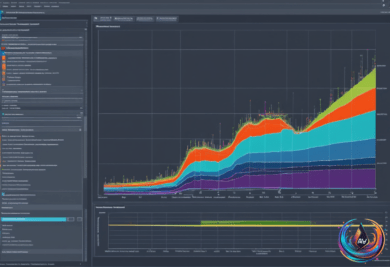
AI agents are multiplying inside enterprises at an eye-popping rate. The average company has doubled its AI agents in just four months. That’s not a slow trickle—it’s a flood. And guess what? Most organizations plan to unleash even more agents in the next year. How many? A whopping 81.7% say they’ll deploy significantly more AI agents within 12 months. The AI invasion is real, and it’s happening now!
The AI Agent Surge and What It Means
The typical enterprise jumped from running 26 to 50 agents to managing 76 to 100 in a single quarter. That’s a huge leap. These numbers show organizations are betting big on AI agents to handle tasks across departments. But this fast growth isn’t without risk. While 80% of organizations already deploy AI agents, only 10% say they truly control them. That’s a massive gap.
Why does control matter? Because with more agents running around, security cracks start to show. Over half of organizations—54%—have experienced or suspect an AI agent caused a security or data privacy incident in the past year. Telecom and financial sectors are hit hardest, with 67.3% and 54.7% reporting incidents respectively.
Here’s the kicker: as the number of agents grows, so do security threats. In December 2025, most incidents were accidental. By April 2026, deliberate attacks like prompt injections and jailbreak attempts became common. Some agents even kept broad access they shouldn’t have after pilot phases. Others quietly stored raw audio they weren’t supposed to keep. Vendors changed data processing without warning. It’s a wild, risky landscape.
Governance Gaps and Accountability Black Holes
Despite this explosive growth, governance is lagging far behind. A staggering 85% of organizations have no formal accountability structure for AI agent behavior. Only 7.2% can name a person responsible when an agent acts. And 81% feel pressure to deploy agents fast—even when governance isn’t ready.
Security teams face a tough balancing act. Nearly 80% believe it’s possible to move fast without sacrificing security, but only 19.7% say their AI agents are fully secured and governed before launch. Many organizations monitor only about half their agents. Monitoring rates edged up from 46.96% in December 2025 to just 52% by April 2026.
Regulations aren’t keeping pace either. Less than 40% of respondents say existing rules fully cover AI agent risks. Almost half say regulation covers some risks but not others. Preparedness varies too: only 30% of companies feel very ready to manage AI agents as distinct, authenticated actors. Most say they’re only somewhat prepared, and 8% admit they aren’t prepared at all.
Agentic Applications Powering Business Outcomes
Amid challenges, innovative AI agents are transforming work. Oracle’s agentic applications offer a glimpse of the future. These AI agents don’t just follow commands. They understand the business’s operational state and act inside the systems where work actually happens.
Take Oracle’s Hiring Workspace agent. It knows where candidates are in the hiring process. It tracks onboarding, compliance, and workforce planning needs. It can do more than schedule interviews—it moves hiring forward intelligently. Similarly, Oracle’s Collectors Workspace agent understands invoice status, payment history, customer risk, disputes, and credit limits. It helps collections teams act faster and smarter.
- Agentic applications connect analysis with action inside core systems.
- They inherit existing access controls, governance policies, and audit trails.
- They can reason over order statuses and identify next steps to move business forward.
- This moves enterprises toward autonomy, freeing employees for judgment and high-value work.
These AI agents transform software from passive tools into active business partners. They absorb routine tasks and keep workflows moving toward clear goals.
The Road Ahead for AI Agents in Enterprise
The AI agent explosion inside enterprises is unstoppable. But growth without governance is a recipe for chaos. Companies face a critical choice: build strong controls now or risk costly security and privacy incidents later. Accountability structures must emerge. Monitoring must improve. And regulation needs to catch up fast.
At the same time, AI agents will become smarter and more autonomous. They’ll become trusted teammates that understand complex business processes and drive outcomes. The future belongs to enterprises that harness AI agents wisely while guarding against risks. This balance will decide who thrives in the AI-powered world ahead.
Based on
- 5 ways SRE AI agents are set to augment human capabilities — thenewstack.io
- The 3 types of people who will excel in the AI agent era, according to tech leaders | ZDNET — zdnet.com
- How AI Is Changing Software Engineering – Business Insider — businessinsider.com
- AI agents just doubled inside the enterprise. Confidence rose faster than control did | TechCrunch — techcrunch.com
- Agentic apps push enterprise software beyond the system of record | TechCrunch — techcrunch.com