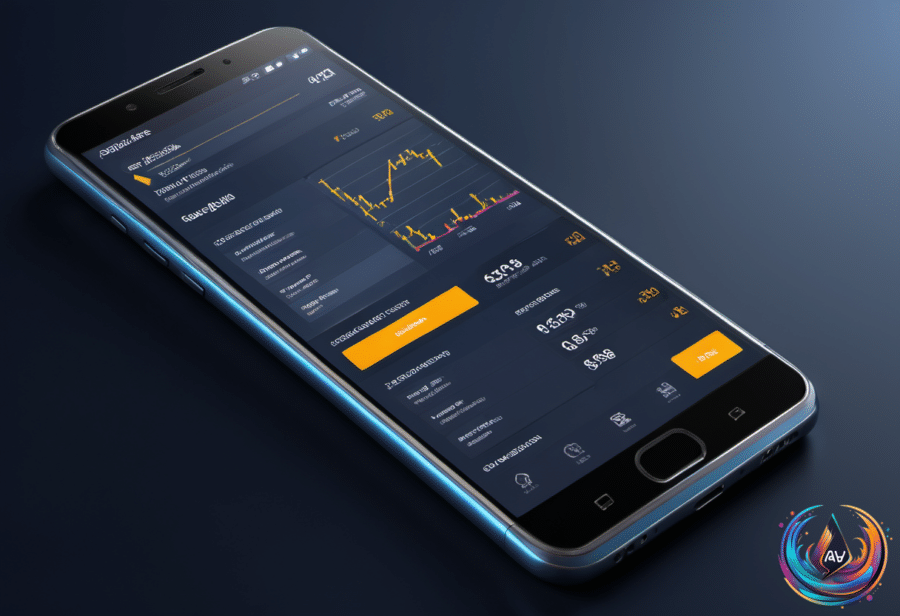
Google introduced Ask AdMob and a set of AI agent tools on November 16, 2026, bringing conversational troubleshooting, coding playbooks and account management into the work of app advertising. The package targets three tasks that often demand separate tools: configuring ad demand, fixing integration problems and writing the code that puts ads into an app.
Naomi Ben-Ayoun, general manager of AdMob, presented the release as a way to reduce the manual work involved in managing ad setups, fixing integration errors and auditing brand safety. The features cover both account-level decisions, such as demand and blocking, and the code needed to put those decisions into practice.
Ask AdMob brings Gemini into publisher accounts
Ask AdMob is a conversational agent built with Gemini that will reside in publishers’ AdMob accounts. Google describes it as an AdMob product expert trained on monetization best practices, with a troubleshooting hub that can flag setup anomalies and software development kit, or SDK, integration issues.
The assistant is designed to look at how ads load and use that information to recommend fixes for problems affecting revenue. Instead of searching through settings and reports, publishers will be able to describe an issue in natural language and receive guidance inside the AdMob interface.
Optimization is another part of the plan. Ask AdMob pairs Gemini troubleshooting with peer benchmarks to recommend SDK bidders it identifies as high-value, along with predicted revenue uplifts. It can also help publishers optimize mediation groups and check third-party network configurations for typos and floor-price discrepancies before those problems affect yield.
Publishers will also be able to configure custom brand-safety rules with natural-language prompts in the AdMob interface. That approach replaces manual blocklist management with instructions written in ordinary language, while keeping the publisher in control of the rules.
Google will begin testing Ask AdMob’s capabilities over the next few months and plans more advanced features that act on a user’s behalf later in 2027. Every recommendation will remain subject to user review and approval before it is applied, so the assistant will suggest changes rather than make them without permission.
AI coding assistants get tested ad playbooks
The second part of the release is available with the announcement: agent skills for implementation work. These skills give a developer’s preferred AI agent pre-built, tested playbooks to build, edit and validate ad code.
The playbooks cover migration to the Google Mobile Ads Next-Gen SDK, validation of an SDK implementation and implementation of new ad formats. Google positions this workflow as an alternative to clicking through dashboards, copying ad-unit IDs and maintaining ad configuration files outside the codebase.
Google’s developer documentation describes the skills as portable, self-contained modules containing SDK knowledge, instructions and workflows. The goal is to help AI assistants perform complex ad development tasks with greater accuracy, using tested steps instead of leaving each assistant to work out the process from scratch.
The skills work with assistants that support them, including Antigravity, Claude Code, Codex and Cursor. Developers can install them with npx skills add google/skills/skills/ads, while npx skills update –all updates the installation.
An account connection is planned for 2027
Google also described the AdMob MCP server, which will let agents read account data and manage mediation settings in 2027. That server connection is still planned, placing it at a different stage from the agent skills and the upcoming Ask AdMob tests.
Together, the three pieces form a path from advice to implementation and account management. Ask AdMob focuses on troubleshooting and optimization inside an AdMob account, agent skills focus on the code, and the AdMob MCP server is intended to give agents a direct connection to account data and mediation settings.
The release arrives alongside other AI tools aimed at publisher and merchant operations. MonetizeMore announced the AdSense Policy Grader, or APG, an AI-powered tool that audits a publisher’s website against Google’s policies and emails a prioritized report. Its free report covers the highest-risk compliance categories, while the paid report runs all 79 checks so publishers can resolve issues before account terminations or lost earnings.
Commerce.com also introduced Shopping Agent for BigCommerce, which is rolling out to eligible merchants ahead of the holiday selling season. The tool lets merchants build and customize an AI-powered storefront assistant that reflects their brand and guides visitors as they browse and buy.
For app publishers, Google’s announcement points to a shift in how monetization work gets done. Ad decisions, policy checks and implementation tasks are moving toward assistants that can explain problems, suggest changes and support coding workflows. The human review step remains in place, but the amount of manual searching, copying and configuration may shrink as these tools reach more publishers and developers.
Based on
- Google Unveils Ask AdMob and AI Agent Tools for App Monetization — unite.ai
- MonetizeMore Launches AdSense Policy Grader to Help Publishers Prevent Google Ad Bans | Markets Insider — markets.businessinsider.com
- Commerce Introduces Shopping Agent to Enable Conversational Shopping for BigCommerce Merchants | Markets Insider — markets.businessinsider.com
- Google Maps can now build trip itineraries with real-time details about each stop | TechCrunch — techcrunch.com
- ChatGPT Ads got brands to bite. Now comes the hard part. — africa.businessinsider.com