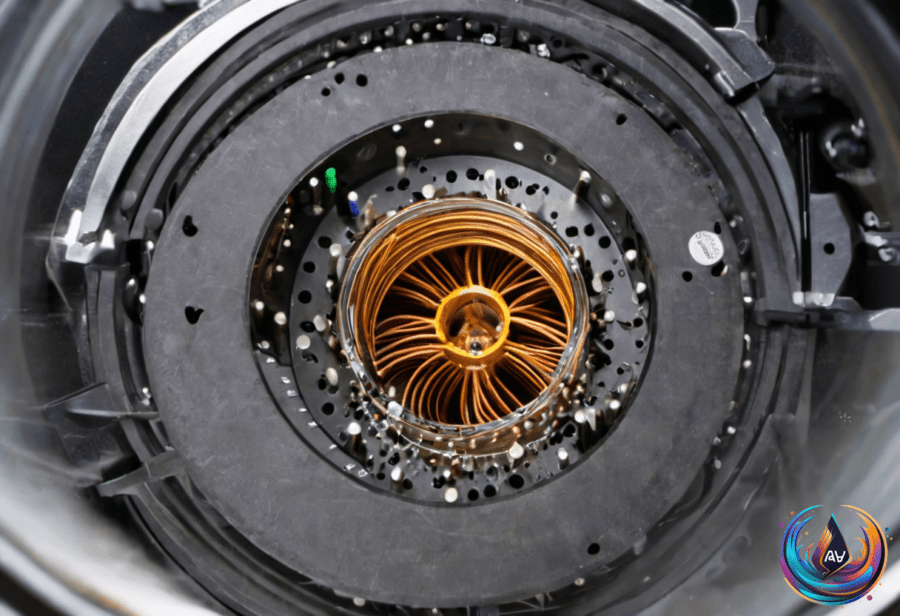
Relativity Networks has raised $22 million in SAFE note funding to develop fiber technology for data centers, where tiny differences in signal travel time can shape how systems work at scale. The company deals in hollow-core fiber, a design that sends light through a vacuum chamber in the center of the line instead of through the glass used in conventional fiber.
That change gives the technology its central advantage: hollow-core fiber allows data to travel 50% faster than conventional fiber. A signal takes roughly five microseconds to cross one kilometer in conventional fiber. Relativity Networks says hollow-core fiber can reduce that time to three and a half microseconds.
“The difference is a matter of microseconds,” Russell Brandom said.
A Small Time Difference With Large Data Center Implications
Microseconds may sound too small to matter on their own, but data centers move huge volumes of information across many connections. Relativity Networks is building its case around the idea that shaving time from each trip can support larger-scale deployments, especially as data center systems demand faster links between their components.
The company’s technology sends light through a vacuum chamber at the center of the fiber line. Conventional fiber sends light through glass, and the difference between those paths helps explain why the hollow-core design can cut the time needed to move a signal across the same distance.
The funding arrives as data center developers prepare to spend as much as $4 trillion by the end of the decade. That figure gives fiber companies a large market to pursue, while also placing more pressure on them to show that their designs can serve the needs of future facilities.
Relativity Networks has already secured a $40 million follow-on order from a leading hyperscaler. The company declined to name that hyperscaler, but the order gives its hollow-core fiber work a commercial link beyond the new funding.
Relativity Networks Connects Fiber Speed With AI Geography
Jason Eichenholz, CEO of Relativity Networks, described the company’s opportunity as part of a broader shift in how data centers are built and connected.
“The first era of AI optimized for compute was GPU, GPU, GPU. The second era optimized the networking inside the data center to take advantage of that compute. The third era that we see coming is optimizing the geography,” Eichenholz said.
His point puts the company’s fiber technology into a wider sequence. First came the focus on computing power. Then attention moved to the network inside the data center. The next stage, in his view, involves where systems are placed and how fast those locations can exchange data.
Hollow-core fiber fits that focus because its value comes from the path between points. The reduction from roughly five microseconds to three and a half microseconds over one kilometer is small in isolation, but the same advantage can matter across the connections that tie large data center systems together.
Funding, Orders, and the Next Test
Relativity Networks’ $22 million round includes Rhapsody Venture Partners, Bell Ventures Inc., and Faster Than Glass LLC among the investors connected to the company. The $40 million follow-on order adds another financial marker as Relativity Networks works to develop and deploy its hollow-core fiber technology.
Together, the funding and order show two sides of the company’s position. The investment gives Relativity Networks capital for development, while the order points to demand from a hyperscaler that chose to place more business with the company without being named.
The company announced the $22 million SAFE note funding on August 19, 2026. Relativity Networks is also connected with Disrupt 2026, an event taking place in San Francisco from October 13 through October 15, 2026.
The central question is no longer just whether fiber can carry data from one place to another. Relativity Networks is working on a version built around a different path for light, with the goal of making those trips faster as data center deployments grow.
For a market expected to draw as much as $4 trillion in spending by the end of the decade, a few microseconds could become an important part of the infrastructure conversation.