On October 13, 2026, hackers attacked refrigeration systems in French supermarkets and turned a routine part of shopping into a food security concern. They accessed fridge controls, changed temperature settings remotely, and forced many supermarket fridges up to 50C.
The result was immediate and costly. Supermarket chains across France had to empty cold aisles and throw away piles of spoiled food, with millions of dollars’ worth of food discarded because of the cyberattacks. Reporter Heidi Petracek explained the event as a “bizarre and unprecedented” cyber-attack.
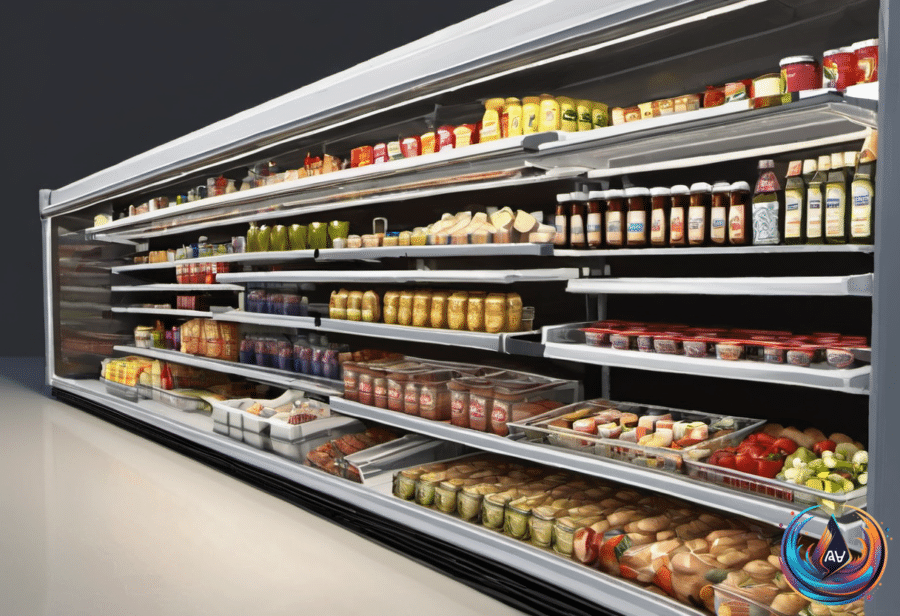
This was not a case of shoppers facing a few empty shelves. The attack affected thousands of supermarket cold aisles across France, overriding the systems that keep food chilled. Once the temperature reached 50C, the fridges could no longer protect the food stored inside them.
When a fridge becomes part of a cyberattack
Supermarket refrigeration can look like an ordinary background system, but this incident showed how much depends on it. Food placed in cold aisles must stay at controlled temperatures, and the attack removed that protection by changing the settings remotely.
Hackers did not need to take food from the stores themselves. By accessing fridge controls, they caused the supermarkets to lose the food those systems were meant to preserve. The chains had to empty the affected fridges, and spoiled products went into the rubbish instead of reaching customers.
The scale made the incident stand out. Thousands of cold aisles across France were affected, while millions of dollars’ worth of food was thrown away. A change to a digital control setting created a physical result: fridges stopped protecting food, and supermarket operators had to discard it.
That connection is what makes the attack so striking. A cyberattack can begin inside a control system and end with food spoilage in a store. In this case, the damage was visible in emptied fridges and discarded food across French supermarket chains.
A warning for food systems worldwide
The French attack also raised concerns about food security and the vulnerability of critical food systems worldwide. The incident showed that food systems rely on more than farms, transport, warehouses, and shops. They also depend on the digital controls that keep essential equipment working.
When those controls are accessed by hackers, a supermarket can face a problem without any physical damage to its buildings or products at the start of the attack. The fridges still stood in their aisles, but their settings had been overridden, and the food inside them could no longer be kept safe.
That is why the event reached beyond the affected stores. French supermarkets had to deal with spoiled stock, but the wider concern involved the systems used to protect food before it reaches shoppers. The attack connected cybersecurity with food security in a direct and expensive way.
The facts of the incident are simple but unsettling: hackers accessed supermarket fridge controls, raised temperatures to 50C, forced stores to throw away food, and affected thousands of cold aisles across France. The financial loss reached millions of dollars, while the event raised questions about the vulnerability of critical food systems worldwide.
Food security is often discussed in terms of whether enough food exists. The French supermarket attack highlighted another part of the problem: whether food can remain protected inside the systems that store it. When hackers can remotely override those systems, a supermarket fridge becomes more than an appliance. It becomes a point where digital disruption can spoil real food.
Based on
- World leaders must wise up to threat of cyber-attacks or rogue fridges will be least of their worries | Heather Stewart — theguardian.com
- Not cool: who hacked France’s supermarket fridges? | France | The Guardian — theguardian.com
- Cyberattacks on fridges in French supermarkets spark food security fears | Watch News Videos Online — globalnews.ca