Software is evolving faster than ever. AI-assisted coding and compressed release cycles are rewriting how developers work. But guess what? Quality assurance hasn’t lost its edge. It’s more crucial than ever before.
The New Software Reality: Speed Meets Discipline
AI is transforming software development. Models trained on massive code repositories can memorize entire codebases. That means they find solutions lightning fast. These models already “know where to look” to get results quickly. But faster coding comes with risks.
Teams now face tighter timelines and code generated at breakneck speeds. This rush makes spotting defects before launch tougher. Before any big deployment, teams must be sure new code works perfectly. It must integrate smoothly with existing systems. And it can’t bring security or performance problems. Skimping on quality assurance is a trap no team can afford.
The SaaS Turnaround and Hybrid Powerhouses
Remember all the talk about a SaaS apocalypse? It’s over. A top venture capitalist declared the end of that doom and gloom. SaaS giants like Salesforce are thriving. Meanwhile, hybrid companies that blend software and services are growing fast. This mix is changing the industry landscape.
These hybrid firms offer flexibility and stability. They deliver software products alongside hands-on services. This approach boosts customer trust and operational resilience. The old SaaS-only model is evolving, and smart companies are leading the charge.
Space Tech and Robotics: Reliability in Action
Out in space, the stakes are just as high. Viasat launched the Viasat-3 F1 satellite in 2024. But it’s operating at just 10% of its planned throughput. That’s a big shortfall. To protect the investment, Viasat filed an insurance claim for around $420 million.
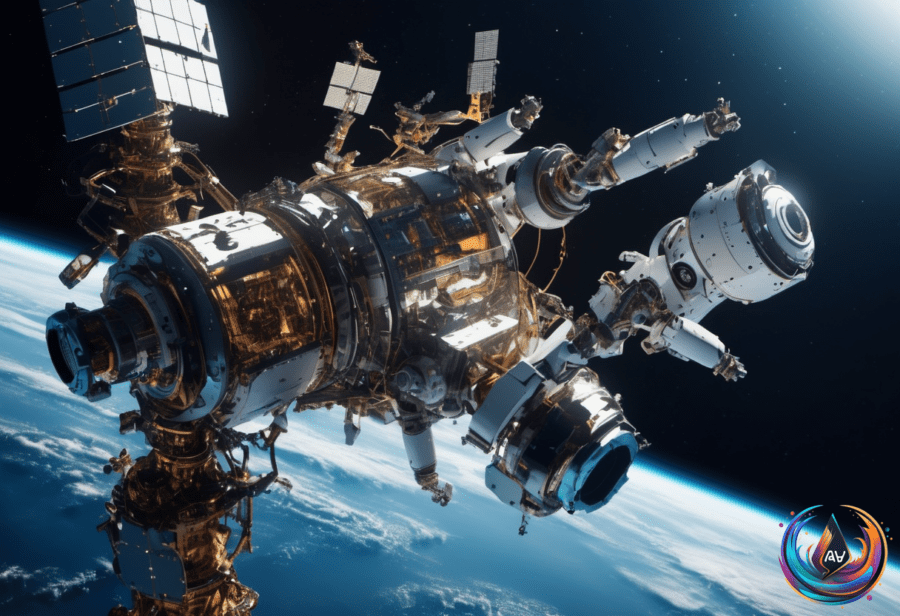
Meanwhile, a robotics system designed to meet Defense Department standards has been more than 20 years in the making. It includes redundant robotic arms, avionics, and mission troops. This system works with pods in space for various missions. Some pods cooperate; others don’t. Tasks include inducing spins so pods become unrecoverable and changing orbits to make pods burn up in the atmosphere.
The spacecraft’s robotic arms are articulated and built for extreme reliability. This tech shows how careful engineering and operational resilience go hand in hand, whether in software or space.
Open Source and Copyright Challenges in AI Coding
AI models trained on code face legal puzzles. Some models memorize entire repositories, but licensing matters. Code that’s not licensed for redistribution can cause copyright issues. Open source licenses, or FOSS licenses, provide more reuse freedom. They require attribution and publishing modifications but allow broader use.
This legal landscape is shaping how AI developers train models and deploy code assistants. Understanding licenses is critical to building responsible AI coding tools that respect creators’ rights.
What’s Next for Tech and Software?
Software teams must balance speed with discipline. The rush to deploy AI-enabled code demands sharp quality assurance practices. SaaS companies and hybrid models will keep reshaping markets. Space tech proves operational resilience takes decades to build but pays off in mission success.
AI models will get smarter, but legal and ethical guardrails must keep pace. The future is thrilling. It’s fast, complex, and full of challenges that push innovation forward. Are you ready to keep up?
Based on
- 5 steps to build great service architecture and operational resilience — thenewstack.io
- How To Strengthen Quality Assurance Before A Major Deployment — forbes.com
- ‘AI is an enormous tailwind for software companies’: 5 tips for adapting to the new ‘SaS’ model | ZDNET — zdnet.com
- This is the world’s most advanced robotic servicing satellite—that we know about | Ars OpenForum — arstechnica.com
- Beyond grep: The case for a context-rich AI coding harness | Ars OpenForum — arstechnica.com