A foldable phone, a new electric SUV, camera-free smart glasses, premium headphones, and an AI-focused laptop are competing for attention in one packed wave of gadget reviews. The lineup shows how fast consumer technology is expanding, but it also reveals where new hardware still faces real limits.
Engadget published more than a dozen reviews over the last two weeks, covering products that run from Switch 2 controllers to repairable laptops, a new Alexa tablet, and unique wireless microphones. The full list is too large for one roundup, but five devices stand out: Apple’s iPhone Duo, Rivian R2, Ray-Ban Meta Audio glasses, Technics EAH-A1000 headphones, and ASUS ProArt P16.
iPhone Duo Makes Folding Phones Feel More Mature
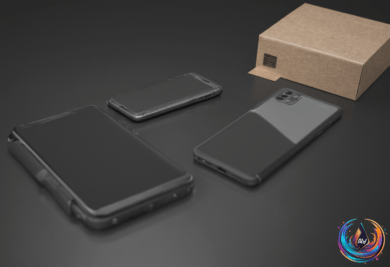
The iPhone Duo was one of the most-anticipated devices of the year, and its review earned an 8.8 / 10 rating. Apple’s first folding phone does not feel like a first-generation device, even though its design brings familiar compromises: the Duo is heavy, expensive, and many apps still need optimization for its interior screen.
The phone costs $1,999 and pairs a glossy 1,878 x 2,670 5.4-inch OLED display with 120Hz ProMotion support. Its peak brightness reaches 3,000 nits, while the inside panel measures 1,398 x 2,034 and stretches across 7.6 inches with a matching 1:1.4 aspect ratio and lofty luminance. Apple gives that inner display a matte nanotexture finish instead of a glossy treatment.
That nanotexture layer brings one unusual maintenance detail. Picking at it too much can remove the layer, but it can be replaced for a $49 fee. The titanium chassis contains more than 100 different components, and the Duo carries an IP68 rating for dust and water resistance.
The hardware choices continue with Touch ID built into the side lock button instead of Face ID. At 254 grams, or 8.96 ounces, the Duo weighs more than 25 percent heavier than a Galaxy Z Fold 8. Its pros include a “Slick design” and “Strong performance and battery life,” while “Heavy” and “Expensive” define the main drawbacks.
Inside, the A20 Pro chip supports demanding multitasking, including playing multiple games at the same time. Pressing and holding an app opens a split-view option, and a swipe-up-and-hold gesture lets users drag apps to the left or right. The phone also supports multiple positions, including a halfway-closed stance on a table, which can help with taking photos without a tripod or watching a video while eating.
Sam Rutherford said Apple had “the luxury to learn from its competitors’ accomplishments and missteps,” allowing the iPhone Duo to sidestep many growing pains that a new gadget class might face. That advantage gives the Duo a strong starting point, even as its software ecosystem catches up.
Rivian R2 Targets the Family EV Sweet Spot
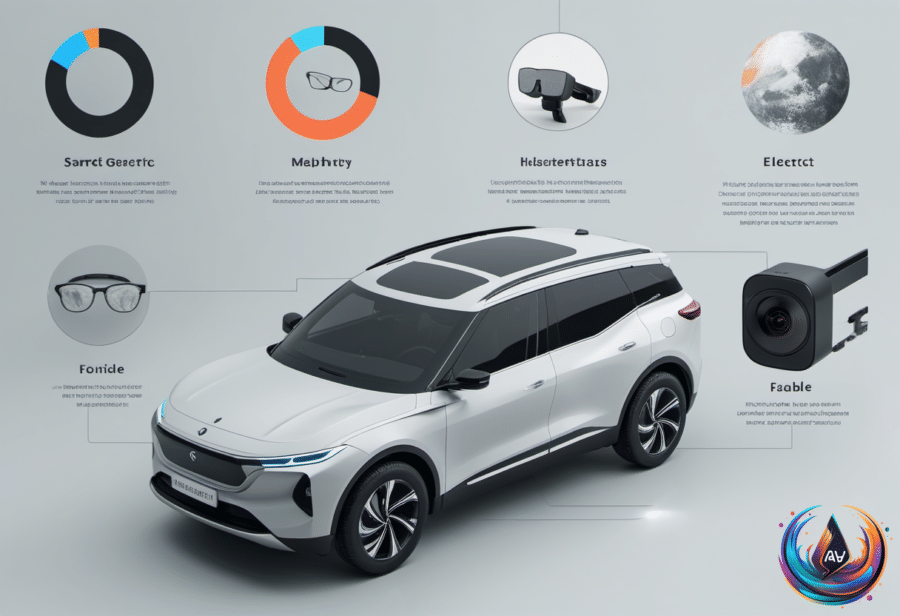
Sam Rutherford also spent time behind the wheel of the mid-sized Rivian R2 and found a roomy SUV with great power and range. Its interior checks all the boxes, though fine-tuning remains, and buyers who want the base model may want to wait until it arrives next year.
Rutherford described the R2 as a smaller and more affordable electric SUV that avoids major trade-offs in style, power, and technology compared with Rivian’s other vehicles. For a family of four, he called it the “Goldilocks SUV,” one that could persuade drivers of gas-powered rivals to switch to an EV and never look back.
The R2 stands beside the iPhone Duo as a product trying to make a newer category feel normal. One folds into a phone with a larger working space; the other aims to make electric driving fit everyday family life without giving up the features buyers expect.
Smart Glasses, Headphones and AI Hardware Draw Clear Lines
Ray-Ban Meta Audio glasses offer a stylish, audio-only option, with frames that look more like “normal” glasses. Removing the cameras helps extend battery life, and the glasses remain comfortable to wear. Karissa Bell said she could enjoy the open-ear speakers without constantly noticing the glasses herself or worrying that other people would notice them.
Technics brought its magnetic fluid driver technology from the AZ100 true wireless earbuds to the EAH-A1000 over-ear headphones. The $450 A1000 delivers excellent sound quality and ANC performance, along with a comfortable design and solid battery life, though two problems remain and one standout feature is unreliable.
James Trew said the AZ100 made a big impression because of its Magnetic Fluid drivers, while the A1000 builds on that success with equally impressive sound. His verdict is direct: “Truly, they’re a joy to wear and to listen to.”
The ASUS ProArt P16 takes a different path, placing NVIDIA’s new RTX Spark chip inside an expensive, extremely powerful laptop. Devindra Hardawar called it an impressive premium laptop, but its high starting cost and unique hardware make it tempting only for AI professionals.
Hardawar would give the entire RTX Spark platform at least a year before recommending it to general users or even gamers. That verdict draws a clear boundary around the machine: powerful technology can arrive before it becomes practical for most buyers.
The Foldable Conversation Keeps Expanding
Interest in the iPhone Duo has already sparked a wave of review watching. Jay Peters shared several favorite reviews, Joanna Stern used a machine to repeatedly fold and unfold the Duo overnight to test its hinge, MKBHD’s video uses transitions to separate chapters, and Michael Fisher, also known as MrMobile, showcases made-for-Duo apps.
The wider foldable field includes the Pixel 11 Pro Fold line, including Pixel 11 Pro Fold, with an IP68 rating on sale in the US. At the same time, the gadget landscape keeps filling with unusual ideas, from a camera that replaces a light bulb to a concert set based on a famous electronic music stage.
A Lego and Daft Punk collaboration for a set based on the pyramid stage design from the duo’s 2007 Alive concert tour was submitted to Lego Ideas in 2020 by a father-son duo from Belgium. After reaching 10,000 supporters, the Daft Punk Concert set was approved for production by Lego.
Other archive entries included Akai’s $169 MPK Mini Plus II and Wyze’s $99.98 Bulb Cam Pan Color. The camera rotates 360 degrees and tilts 180 degrees through a motorized mount, uses a 2.5K camera, and installs by screwing into a standard E26 socket. Its 1,100-lumen bulb supports 16 million colors, with no wall mount, power cables, or battery charging required.
The new Wyze camera doubles the $49.98 price of the original Wyze Bulb Cam launched last year. The same archive also included Blink’s low-cost security camera at $16.99, with the Blink Mini 2K Plus listed at $23 off and a price one dollar shy of its lowest price to date through Amazon and Best Buy.
Together, these reviews point toward the next phase of consumer technology: devices must do more than introduce new hardware. They must fit daily routines, justify their prices, and make unfamiliar technology feel ready for the people who will use it next.
Based on