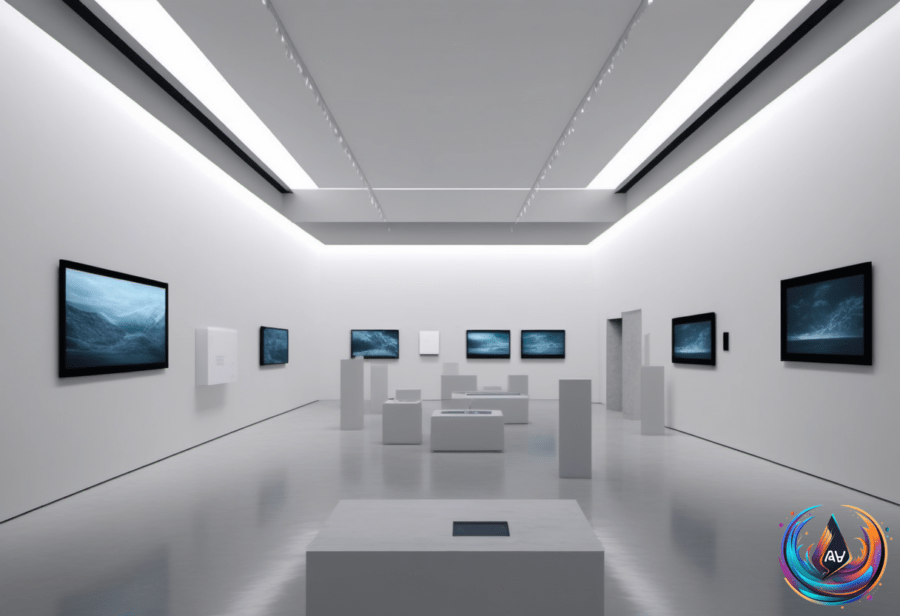
Museums are changing fast. They no longer stand as quiet temples of art and history. Instead, they are becoming lively places where visitors engage, explore, and interact.
Data plays a big role in this shift. The Van Gogh Museum in Amsterdam shows how smart use of data can improve visitor experiences. They teamed up with business school experts to study millions of visits over several years. Out of 1.5 million visits between 2019 and 2021, researchers randomly analyzed 25,000. This helped them understand how visitors move through the museum and interact with artworks.
The Van Gogh Museum holds over 4,600 works, but only about 200 are on display at any time. The study found that visitors who used multimedia guides followed recommended routes and viewed suggested art in order. This shows how digital tools can guide visitors and tailor their experience.
Data Shapes How Art Is Presented
Data isn’t just about counting visitors. Museums use it to decide which pieces to display and where to place them. A study by three professors found visitors react to both the physical location of art and its placement in digital guides. This means museums can design exhibits to highlight certain works and improve flow.
Lisa van den Bos, product manager at the Van Gogh Museum, said, “We actually have a lot of power in how we move people through.” This insight helps museums create more meaningful and personal visits for everyone.
Technology also changes how art is shown and preserved. New tools protect fragile pieces while letting visitors enjoy them in fresh ways. Museums are using projections, interactive screens, and other digital tech to make art come alive.
Encouraging Creativity and Noise
Not every museum experience is quiet and still anymore. The “Kids Aloud” campaign in the UK invites children to be themselves in museums. More than 60 venues, including Brighton Museum and Art Gallery and V&A Dundee, have joined. The campaign encourages kids to laugh, chat, ask questions, and yes, even make noise.
The person leading the campaign said, “It’s the summer holidays, kids are allowed in museums, they’re also allowed to make a noise.” This breaks old ideas that museums are only for silent observation. Kids can explore art and culture in a fun, lively way.
Konnie Huq, who supports the campaign, called it a “no-brainer” to get everyone interested in art. It’s about making museums welcoming places for all ages.
Immersive Experiences Bring Art to Life
Art and food join forces at the 7 Paintings dinner event in West Hollywood. Created by Nadine Beshir, it uses multimedia tech like projections and themed dishes inspired by artists such as Andy Warhol and Banksy. Guests get messy with their food, using their hands to paint with salads or draw on cookies.
Nadine said, “We try to get people out of their comfort zones and eating paper. I want to bring out the child in them.” This immersive dining turns art appreciation into an active, playful experience.
Hilary Knight, director of Change& and former Tate digital director, summed up the museum shift well: “They used to be these big ivory towers of knowledge and history and thought and art. Museums themselves are changing their role to be centers for discussion and encounter and to be much more participatory.”
Technology and data help museums become more than places to look at art. They create spaces for visitors to connect with culture, creativity, and each other.
Based on
- With help from data, art museums are reframing the visitor experience — arstechnica.com
- With help from data, art museums are reframing the visitor experience | Ars OpenForum — arstechnica.com
- Why are museums encouraging children to be as loud as they like? – BBC Newsround — bbc.com
- A byte to eat: immersive dining goes hi-tech from Los Angeles to Hong Kong | South China Morning Post — scmp.com