Memory may be more durable than scientists once believed. Recent studies in mice show that memories can survive major changes in the brain, including the loss of more than half of the connections linked to a stored memory.
The findings challenge the simple idea that a memory depends on one fixed set of neural connections. Instead, memories appear to remain available through shifting neural systems, even after the brain undergoes a major period of change.
Hibernation puts memory to a severe test
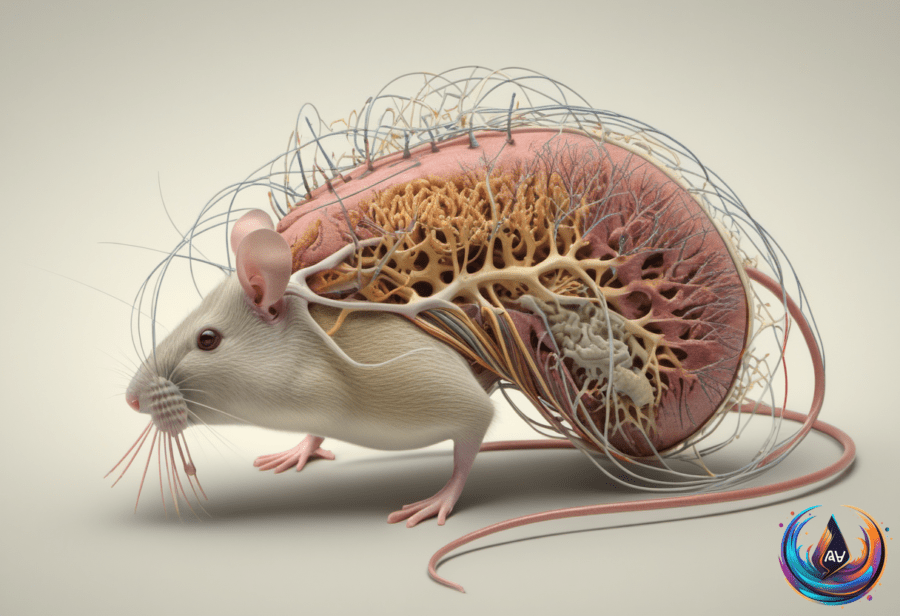
One study examined dormant mice before and after hibernation. During that period, more than half of the synapses within the engram neurons in the hippocampus disappeared. Engram neurons are linked to the storage of memories, so the loss created a direct test of whether those memories would remain.
The mice still retained their memories after hibernation. That result held despite what Kazumasa Tanaka described as “massive brain remodelling during hibernation.” His conclusion was direct: “Despite massive brain remodelling during hibernation, the memories were retained.”
Synapses are connections between neurons, and the study points to their arrangement as an important part of memory retention. Clustered synapses on engram neurons appear crucial for keeping a memory in the brain, while non-clustered synapses can disappear during hibernation and reappear within a day after hibernation ends.
That pattern suggests the brain may preserve the key structure of a memory even as other connections come and go. The memory does not need every original synapse to survive. Some connections vanish, but the network can still provide access to what was stored.
A memory system that can change without losing the past
Steve Ramirez summarized the broader lesson in a short sentence: “Memories may be harder to break than we thought.” The result does not show that every memory survives every kind of brain change, but it does show that memory can remain intact after a large loss of synapses in mice.
George Dragoi connected the finding to the way mammalian brains function: “It tells us something about how our mammalian brains may work.” The study focuses on mice, yet its importance comes from the possibility that memory storage depends on flexible systems rather than a frozen pattern of connections.
Priyanka Rao-Ruiz called the research “a remarkable step forward” because it addresses “a long-standing puzzle in memory research: how the brain retains long-term memories.” The answer suggested by these findings involves both stability and change. Important connections can preserve a memory, while other connections can be removed and restored without erasing it.
This may help explain why memories can remain accessible after the brain changes. The memory is not tied to one unchanging set of connections. Instead, it appears to draw on a system that can reorganize while keeping enough of its structure to support recall.
What the findings may mean for Alzheimer’s research
Another finding adds a human health dimension to the memory question. Women appear cognitively normal for almost three years longer than men after their brains start to develop Alzheimer’s disease. Women also delay an Alzheimer’s diagnosis by almost three years longer than men.
The facts do not explain why this difference occurs, and they do not connect it directly to the hibernation study. Still, both findings point to a central issue in brain research: the presence of brain changes does not always match the moment when memory and thinking abilities become noticeable.
In mice, memories remained after more than half of the synapses within hippocampal engram neurons disappeared. In the Alzheimer’s finding, women appeared cognitively normal for almost three years after disease-related changes began. Together, these results show that the brain can preserve function beyond the point researchers might expect from its physical changes.
The next challenge is understanding which parts of a neural system protect a memory, which connections can return, and why cognitive symptoms appear at different times. For now, the studies offer a clear shift in thinking: memory is not as fragile or fixed as it once seemed.
Based on