Renewable power can surge when the sun shines and the wind blows, then face a gap when weather turns. Form Energy is building iron-based batteries designed to store energy for 100 hours, opening a path toward cleaner power that can keep running across multiple days.
That reach could matter during heat waves, deep freezes, or long periods with little sun or wind. It could also give data centers a stronger energy supply as electricity demand grows around large computing facilities.
Rust Becomes the Engine for Long-Duration Storage
Form Energy has developed a battery built with iron that stores energy for 100 hours. Its design uses a reversible chemical process: during discharge, oxygen from the air converts iron metal to rust, releasing electrons. When the battery charges, current converts the rust back into iron metal.
The result is a system built to handle supply-demand imbalances that last far longer than the short disruptions many energy storage systems address. Form’s batteries are designed to cover multiday gaps caused by extreme weather or stretches when renewable sources produce little electricity.
Form Energy wants to build cheaper long-duration energy storage technology. Its goal is to reach $20 per kilowatt-hour, a price that would make its batteries cost-competitive with natural gas.
That target puts cost at the center of the company’s plan. Storing power for 100 hours only changes the energy system if utilities can deploy enough capacity to support the grid through difficult weather conditions, and Form is building toward that challenge with iron-based equipment.
Commercial Projects Are Moving From Factory to Grid
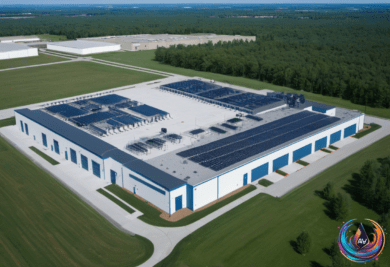
Form began producing batteries at its West Virginia factory for its first commercial deployment, a 150 megawatt-hour system for Minnesota electricity provider Great River Energy. That project is set to come online in 2027, giving Form its first commercial system built around the new battery technology.
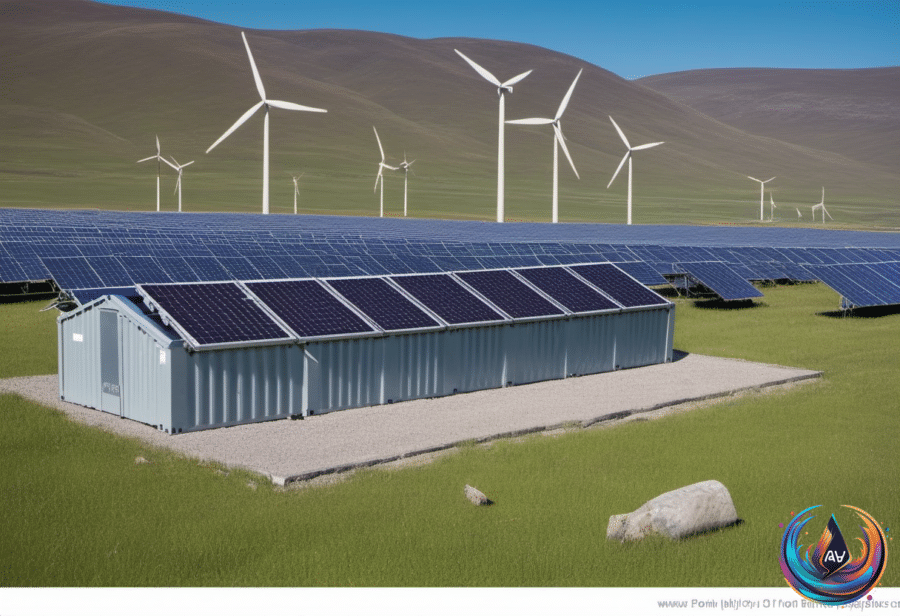
The company has signed several other deals with power providers, with its largest project involving Xcel Energy. Wind and solar power backed by 30 gigawatt-hours of Form’s batteries will serve a new Google data center, creating a major test for multiday storage at a large computing site.
The Google data center project is expected to come online in phases between 2028 and 2031. Form’s proposed 30 gigawatt-hour energy storage system in Minnesota could become the world’s largest battery project by energy capacity, and the installation would require at least 75 football fields.
That scale shows why long-duration storage is becoming part of the data center conversation. A facility that depends on wind and solar needs a way to carry renewable electricity through hours, days, and weather patterns that reduce generation. Form’s batteries are designed for that exact supply-demand problem.
Scaling Production Will Decide the Next Chapter
Form’s existing production capacity is 2 gigawatt-hours of battery storage per year, while commercial agreements have promised 80 gigawatt-hours of storage capacity. Reaching those commitments will require a major jump from current output, and the company’s factory is being outfitted with new equipment to scale manufacturing.
The gap between present capacity and promised capacity is enormous, but the commercial pipeline gives Form a clear destination. The company has raised more than $2 billion in total money, including grants, to develop its batteries and expand the manufacturing base needed for those projects.
Space is another part of the equation. Form’s batteries require an acre for every two to three megawatts of capacity, so large installations demand broad sites as utilities plan for multiday storage.
The projects now on the calendar will show whether iron batteries can move from an ambitious energy concept to a dependable part of the power system. Great River Energy’s 2027 deployment comes first, followed by the phased Google data center project from 2028 through 2031.
If Form reaches its price target and expands production, its batteries could help renewable power survive the stretches that challenge it most. The technology’s biggest promise is not only storing more electricity, but keeping clean energy available when the weather refuses to cooperate.