Kevin Weil, a veteran tech executive, has joined the board of Stoke Space. He brings a wealth of experience from his time at OpenAI, Meta, Twitter, and Planet Labs. At OpenAI, Weil served as chief product officer and led efforts to accelerate scientific research until April 2026.
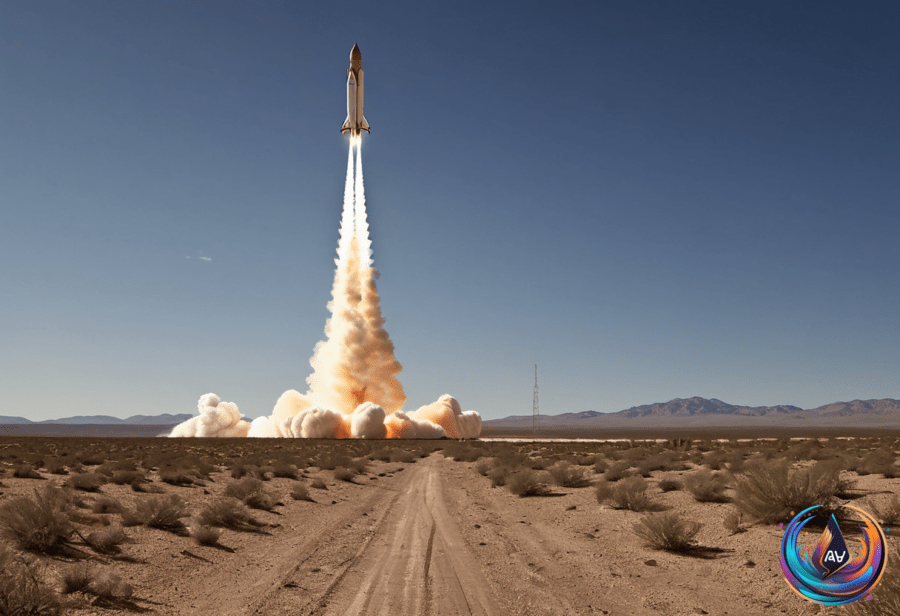
Stoke Space, founded in 2020, is working on a rocket called Nova. The goal is to build a fully reusable rocket that can fly repeatedly. This is a big deal in spaceflight, where reusing rockets saves time and cuts costs. Stoke’s CEO, Andy Lapsa, says they aim to fly Nova this year.
Stoke has raised $1.34 billion so far, including a $510 million Series D round in 2025. That kind of funding shows strong belief in what Stoke is building. Lapsa met Weil early on when Stoke joined Y Combinator’s winter batch. Weil also invested personally, alongside his wife Elizabeth, through their fund Scribble Ventures.
“Kevin comes with all of that background and was able to help me think about fundraising and getting the company off the ground,” Lapsa said. He adds, “We’ve got a good chunk of the risk behind us, we’ve got more to go.”
Why Reusable Rockets Matter
Reusable rockets have changed the game in space technology. SpaceX’s Starship is the closest example of a fully reusable rocket. It is expected to fly operational missions this year. SpaceX’s success has made full, rapid reuse a normalized idea. This shift is important because it lowers the cost of sending payloads to orbit.
Other companies have tried reusing rockets, but not all have made it a priority. Blue Origin, founded by Jeff Bezos, has explored reusability but focuses on different goals. Blue Origin recently raised $10 billion at a $130 billion valuation, with big investments from Coatue and Bezos himself. However, their New Glenn rocket exploded during testing in late May 2026.
Stoke’s approach focuses squarely on building a rocket that can survive the heat of reentry and fly again quickly. This is a huge technical challenge. Lapsa says the idea of full, rapid reuse was “a little bit out there at that time” but now people see it as inevitable.
Kevin Weil’s Unique Role
Weil’s background fits well with Stoke’s ambitions. He has experience bridging Silicon Valley and the Department of Defense. He even joined the U.S. Army Reserve alongside three other tech leaders to improve recruitment and industry cooperation. That shows his interest in combining tech innovation with big, complex systems.
Before OpenAI, Weil was president of Planet Labs, which operates a satellite earth observation business. He held that role for three years and led the company as it went public in 2021. His experience with space data and satellites adds valuable insight for Stoke’s mission.
Stoke’s Nova rocket also ties into broader ambitions about space infrastructure. Space data centers could use solar power and avoid political restrictions on Earth. But getting computer chips into orbit remains a costly hurdle. Weil’s knowledge of tech and space could help solve these challenges.
With Weil on the board, Stoke Space gains a leader who understands tech, space, and product strategy. His track record shows he can help move bold ideas from concept to reality. Stoke’s journey to build a fully reusable rocket is far from over. But with a growing team and strong funding, the company is well positioned to push the boundaries of spaceflight.
Based on
- Former OpenAI exec Kevin Weil is now on the board of Stoke Space — techcrunch.com
- Blue Origin reportedly raising $10B at $130B valuation | TechCrunch — techcrunch.com
- Thiel Capital’s Jack Selby nabs stakes in hot startups like Etched through Arizona connections | TechCrunch — techcrunch.com
- GMO’s Jeremy Grantham: History will laugh at ‘crazy’ IPO for Musk’s SpaceX | Fortune — fortune.com