As AI moves into core enterprise workflows, organizations are placing more attention on how they protect data, control access, and understand model usage. The question is no longer only how AI supports business activity. Enterprises also need greater control over the information moving through these systems and the people allowed to use them.
MegaRouter is strengthening its enterprise security framework around three areas: data protection, access control, and usage transparency. The company’s approach is designed to help enterprises maintain control over their data, access permissions, and AI activity as AI becomes part of more business workflows.
Protecting Data Throughout the Request Pipeline
MegaRouter uses Zero Data Retention mechanisms to reduce the risk of sensitive information being stored over time. That gives enterprises a way to limit the persistence of information handled through AI requests, which matters when business workflows involve data that requires protection.
Zero Data Retention is part of MegaRouter’s wider data protection effort. It focuses on reducing the chance that sensitive information remains stored after it has moved through the system, helping enterprises keep tighter control over the data connected to AI activity.
Secure transmission adds another layer of protection. It helps protect data throughout the request pipeline, covering the movement of information as an AI request passes through the system. Together, secure transmission and Zero Data Retention address two parts of data control: protecting information as it moves and reducing the risk of storing it over time.
This matters because enterprise AI depends on controlled access to business information. When organizations use AI in core workflows, data protection becomes part of the system’s overall security framework rather than a separate concern.
Controlling Who Can Use Enterprise AI
MegaRouter provides enterprise-grade permission management, allowing organizations to define access by role and business requirement. This gives enterprises a way to connect AI access with the responsibilities and needs of different users or groups.
Role-based access helps organizations set boundaries around AI activity. Instead of treating every user and business requirement the same way, enterprises can manage permissions according to the role involved and the work that needs to be done.
That control is important as AI becomes part of more enterprise workflows. Data protection alone does not answer who can access an AI system or what access should match a particular business requirement. Permission management addresses that part of the security framework by giving organizations a structured way to manage access.
MegaRouter’s focus on access control also supports the wider goal of keeping enterprises in control of their data and AI activity. Access permissions become part of the same framework as data protection, creating a connected approach to how information and AI use are managed.
Making AI Activity Easier to Understand
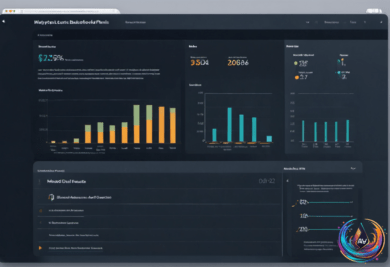
Security also depends on visibility. MegaRouter provides usage logs and data analytics that record and structure AI activity, giving enterprises a clearer view of how AI is being used within their workflows.
Usage logs record AI activity, while data analytics structure that activity so enterprises can examine it as part of their broader control process. These tools support usage transparency by helping organizations see activity instead of managing AI access without a clear record.
This visibility connects the other parts of the framework. Data protection helps limit the risk around stored information, secure transmission protects data throughout the request pipeline, and permission management controls access by role and business requirement. Usage logs and data analytics add a record of the activity that takes place across those controls.
The result is a security framework built around three connected needs: protecting data, managing permissions, and understanding AI use. MegaRouter is strengthening each area as enterprises place greater emphasis on security while AI moves into core workflows.
What MegaRouter’s Approach Means for Enterprises
Enterprise AI security involves more than protecting a single request. Organizations also need control over the information connected to AI activity, the permissions assigned to users, and the records that show how systems are being used.
MegaRouter’s framework brings those concerns together through Zero Data Retention mechanisms, secure transmission, enterprise-grade permission management, usage logs, and data analytics. Each measure addresses a different part of enterprise control, while the full framework connects data protection, access control, and usage transparency.
The company’s goal is to help enterprises maintain greater control over their data, access permissions, and AI activity. That focus reflects the needs of organizations bringing AI into core business workflows, where protection and visibility must accompany AI use.
MegaRouter’s strengthened enterprise security framework was highlighted on Sep. 3, 2026. Its approach centers on giving organizations clearer control over the way data moves, access is assigned, and AI activity is recorded.
Based on