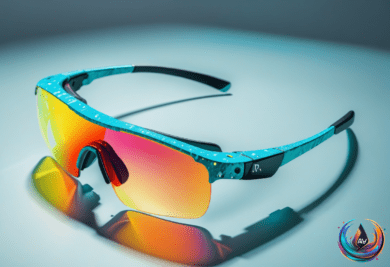
Meta’s next mixed reality device is starting to look less like a traditional Quest headset and more like a pair of high-tech glasses. Images tied to the device, known as Project Phoenix, have surfaced online, offering a detailed view of its lightweight design just as Meta prepares for its annual Connect event.
The same week brought a separate problem for Meta’s AI assistant. The company is changing suggested prompts after a viral video showed Meta AI asking invasive questions about a woman’s young daughters. Together, the two developments highlight Meta’s push into new hardware and its continuing struggle to decide how its AI tools should handle personal information.
Project Phoenix takes a different hardware path
The Phoenix images were originally published by UploadVR, which found them inside an app called HorizonOS Prescription Lens. Meta released the app for people who need prescription inserts for the device, but it has since been removed. The app contained image files that clearly showed the headset from different angles.
The images match what has been heard about Phoenix for more than a year. Unlike other Quest-branded hardware from Meta, Phoenix uses a glasses-like form factor that looks closer to Xreal’s Aura headset. The shape points to a device designed to sit closer to ordinary eyewear than to a bulky virtual reality headset.
One image clearly shows a cable attached to the headset. That lines up with earlier rumors that Phoenix will use a tethered connection to a separate puck instead of carrying every component inside the headset itself. The images also suggest that the front will include some type of camera setup, similar to Xreal’s Aura.
The device is expected to rely on hand-tracking controls instead of a dedicated controller. Meta is planning a Connect session titled “a practical guide to controller-free interaction,” which fits the direction shown by the images. Meta did not immediately respond to a request for comment about the headset.
Meta’s annual developer event, Connect, starts September 23. The device may still be some distance from store shelves, since earlier reports placed its release in the first half of 2027 after the company pushed back its original timing.
Meta changes AI prompts after viral privacy complaint
Meta is also changing the prompts suggested by its AI chatbot after a video from Kalie Robins spread online. Robins posted a video explaining that Meta AI displayed an invasive suggestion after she cross-posted a clip to Facebook. The prompt, “Who is the child passenger?”, appeared beneath a video of Robins and her child singing in a car.
When Robins selected the prompt, Meta AI pieced together information about her daughters from her earlier posts and posts made by relatives. The assistant suggested more prompts asking about her children’s ages and where Robins lives with her family. It also displayed photos of her daughters posted to the platform, including one Robins said she deleted years ago.
Meta spokesperson Dina El-Kassaby said the company “missed the mark” and that “the feature never should have prompted the individual with questions like that.” El-Kassaby also said, “We created this feature to help people get more information about topics or posts that interest them.”
El-Kassaby said Meta fixed the issue that caused Meta AI to suggest prompts connected to personal topics. She said that when someone clicks a prompt and uses the feature, the response is based on information the user already has access to. Meta AI may have pulled information from videos where Robins named her children.
Meta has built its AI assistant into Facebook, Instagram, WhatsApp, and Messenger, giving the feature access to a huge range of posts and conversations that users can already view. That access is part of what makes the assistant useful, but Robins’ experience shows how quickly a helpful suggestion can cross into uncomfortable territory when family details are involved.
Two tests for Meta’s next phase
The Phoenix images give Meta a chance to build interest around a new kind of mixed reality hardware. A lighter headset, a cable leading to a separate puck, cameras on the front, and hand tracking would set it apart from the company’s existing Quest approach. The design also suggests that Meta wants mixed reality hardware to move closer to everyday eyewear.
The AI prompt issue creates a different test. Meta needs its assistant to understand not only what information it can find, but also when bringing that information forward is inappropriate. The company faced another backlash in July and pulled a feature that allowed people to create AI deepfakes of other Instagram users.
Connect will give Meta a public stage for discussing controller-free interaction and its broader hardware plans. But the company’s AI changes show that its next stage will depend on more than new devices. It will also depend on whether people feel comfortable with the way Meta’s tools connect personal posts, family details, and automated suggestions.
Based on