Foldable electric bikes solve one problem and create several others. Their compact frames can help people with limited storage, while the motor assists pedaling and the folded bike can fit into a luggage rack. The catch is predictable: convenience does not make the machine light, comfortable, cheap, or suitable for every road.
A foldable electric bike needs a motor and battery, plus hinges and locking hardware in the frame. Those parts add weight even when the bicycle takes up less space, so “foldable” should not be confused with “easy to carry.” A bike that folds is still a bike that may need to be lifted into a car or carried up stairs.
The folding mechanism does not make the bike light
Lectric lists its folding XP4 with a 500W motor at 62 pounds without the battery. Adding the battery brings the total to 69 pounds, or 31kg. That is more than a person may want to lift into a vehicle, and it can also create a problem for train travel.
Amtrak’s rules state that electric bikes must weigh no more than 50 pounds. That rules out heavier models such as the Lectric XP4, regardless of how neatly the frame folds. The feature that saves storage space can still fail the basic test of being practical to move.
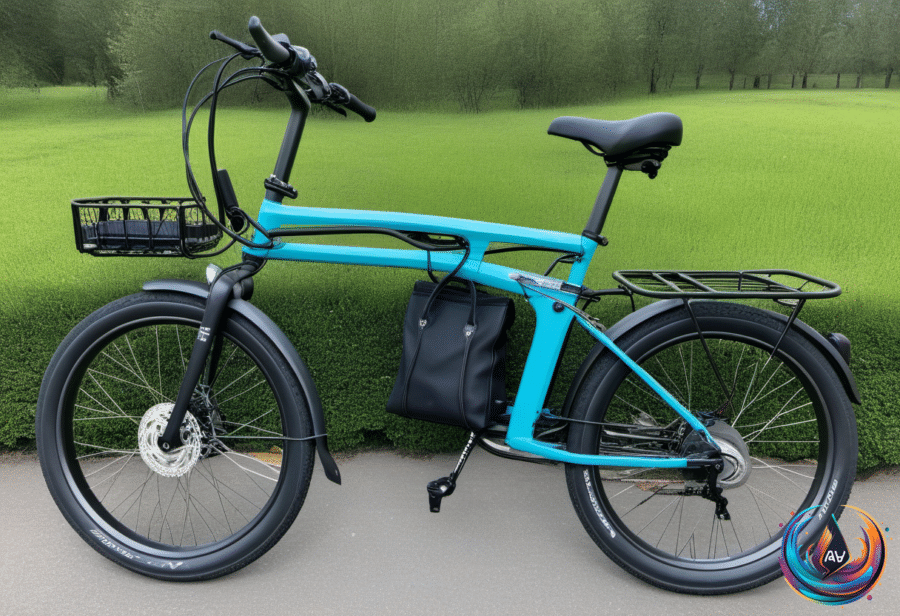
Attachments add another layer of inconvenience. A basket or bike-friendly pannier bags can take up extra space, and they may need to be removed before the bike is safe to carry. Those attachments also count toward the bike’s overall load limit, so carrying more equipment does not mean carrying unlimited cargo.
Size creates a similar trade-off. Compact folding bikes will probably use smaller wheels to remain manageable when folded, but smaller wheels can make broken roads and potholes feel harsher than they would on a bike with larger wheels. Narrow tires and no suspension make that ride less forgiving.
Small storage can mean smaller comfort
A folding frame does not guarantee an uncomfortable saddle, but riding position and saddle fit still matter. Tern recommends getting both saddle height and saddle position right for a good ride, which is sensible advice for any bicycle that expects regular use rather than occasional storage.
Manufacturers can offset rough-road problems with wider tires, suspension, and other equipment. Those additions help, but they also add weight and bulk—the exact qualities a compact, light folding bike is meant to avoid. Engineering has not repealed arithmetic.
Rural riding is not out of the question, but a compact folding electric bike is likely to be poorly suited for rutted tracks or sustained rough ground. Buyers who expect smooth paths, compact storage, and low carrying weight may need to decide which expectation matters most.
Battery capacity can become another compromise in the smallest models. A buyer may sacrifice comfort or battery capacity to get a smaller bike, while the most ultralight options can command a higher price. The frame folds, but the costs do not.
Buying specifications matter more than folded photographs
Fiido published an online electric bike buying guide on October 19, 2026, covering battery performance, motor specifications, frame sizing, safety features, warranty terms, and delivery policies. That checklist matters because online retail lets buyers compare models, technical specifications, and ownership costs without visiting multiple stores—while also leaving consumers responsible for checking what the product actually offers.
Advertised range is only a starting point. Rider weight, terrain, weather, speed, tire pressure, motor assistance, hill climbing, and extra cargo can all change battery performance, so buyers should examine capacity in watt-hours and check how the range estimate was calculated.
A commuter should calculate the complete return journey, not only the trip to work, and allow capacity for detours, changing weather, and battery performance over time. Battery replacement deserves the same scrutiny: compatible batteries, replacement costs, and warranty protection for the battery and charging equipment can influence the bike’s long-term value.
Motor listings also need careful reading. Power ratings, torque output, assistance systems, rated power, and peak power do not describe the same thing; torque, measured in newton-metres, can matter when climbing hills or carrying heavier loads. Cadence sensors detect whether pedals are turning, while torque sensors measure rider force and adjust assistance accordingly.
Weight, folded dimensions, brakes, tires, lighting, visibility features, and maximum permitted payload all deserve attention before purchase. Buyers should also check local rules covering motor power, assisted speed, throttle operation, and where the bicycle may legally be used.
The Lectric XP4 shows why the category resists easy verdicts. After assembling, maintaining, and extensively riding electric bikes, Dave Johnson identified the Ride1Up Vorsa as the best electric bike overall, while placing the Lectric XP4 a close second; he described the foldable model as offering strong components and performance for about $1,000.
That makes the XP4 a compelling product, not a weightless one. Foldability can solve a storage problem, but buyers still need to account for carrying weight, wheel size, comfort, terrain, battery capacity, attachments, and transport rules before deciding that smaller folded dimensions are worth the compromises.
Based on
- What are the downsides of a foldable electric bike? — engadget.com
- Best Electric Bikes 2026 | Tested & Reviewed – Forbes Vetted — forbes.com
- Fiido Announces New Online E-Bike Buying Guide | Currency News | Financial and Business News | Markets Insider — markets.businessinsider.com
- TLG Announces DUO Passenger Setup for 2 Seater Electric Bike Rides – USA Today — usatoday.com